The Secret Health Benefits of Marjoram.
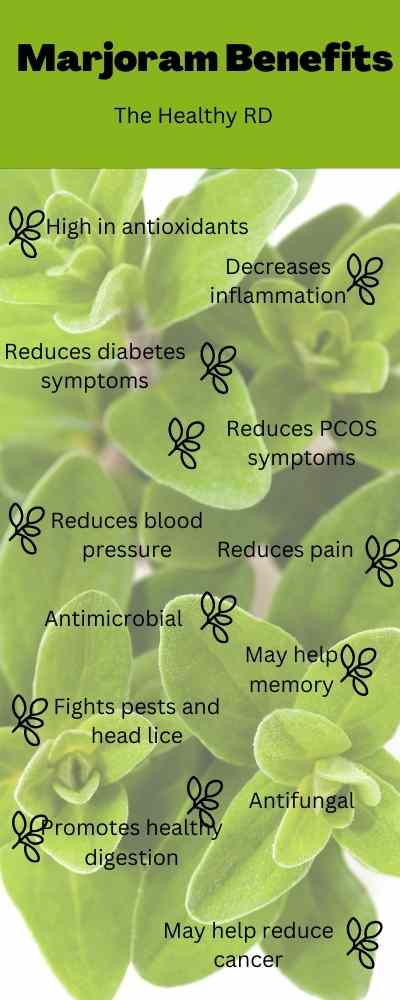
This is not just an exposition of facts, but an unveiling, an invitation to journey into the heart of Marjoram’s magic, to discover the health benefits that have long been cherished in the annals of traditional medicine and are now increasingly validated by the discerning eye of modern science. For the knowledgeable seeker, the discerning palate, and the curious mind, Marjoram is poised to reveal its profound gifts, moving beyond its culinary renown to reclaim its rightful place as a potent therapeutic ally.
A Tapestry of Time: Marjoram’s Ancient Lineage
To truly understand Marjoram’s health benefits, we must first trace its journey through human civilization. Its very name, derived from the Latin maiorana and potentially linked to "major" (greater) or "amara" (bitter, though Marjoram is sweet), hints at its significance. The ancient Greeks called it "Joy of the Mountains" (oros ganos), believing it was created by Aphrodite, the goddess of love, as a symbol of happiness and good fortune. Brides and grooms were crowned with wreaths of marjoram, hoping to invoke love and marital bliss. Physicians like Hippocrates and Dioscorides prescribed it for a litany of ailments, from digestive distress and respiratory infections to nervous disorders and menstrual discomfort.
The Egyptians revered Marjoram as a sacred herb, incorporating it into their embalming rituals and using it to purify temples. Its sweet, warm aroma was believed to guide souls to the afterlife. The Romans, too, embraced it, not only for its culinary flair but also as a medicinal plant, often using it to relieve headaches and as an antidote to poisons. They believed its scent could ward off evil spirits and bring peaceful sleep.
Through the Middle Ages, Marjoram continued its journey, cultivated in monastic gardens across Europe. Here, its reputation as a protector against disease and a comfort for the ailing solidified. It was strewn on floors to purify the air, hung in bedrooms to ward off nightmares, and brewed into teas for coughs, colds, and digestive complaints. Its association with warmth, comfort, and protection became deeply ingrained in folk medicine, a testament to its perceived efficacy across diverse cultures and epochs. This enduring legacy is not merely superstition; it is the collective observation of countless generations, a prelude to the scientific understanding we now pursue.
The Botanical Identity: Sweetness and Substance
Before we delve into its chemistry, a brief botanical introduction is warranted. Origanum majorana belongs to the Lamiaceae family, sharing kinship with mint, basil, thyme, and its often-confused cousin, oregano (Origanum vulgare). While both are "oreganos" in a broader sense, true Marjoram is distinct. It is typically a tender perennial, often grown as an annual in cooler climates, characterized by its small, oval, velvety grey-green leaves and delicate white or pale pink flowers.
What sets Marjoram apart from wild oregano is its milder, sweeter, and more delicate flavor profile. While oregano boasts a pungent, spicy, and somewhat camphorous note, Marjoram offers a complex bouquet of floral, woody, and slightly citrusy undertones, with a gentle warmth that enhances rather than dominates. This nuanced flavor is a direct reflection of its unique chemical composition, which, as we shall see, underpins its specific therapeutic actions.
The Alchemical Heart: Phytochemistry of Healing
The true "secret" of Marjoram’s health benefits lies within its intricate biochemical matrix. Its leaves, flowers, and stems are a veritable pharmacy of bioactive compounds, particularly concentrated in its essential oil. For the knowledgeable audience, understanding these constituents is key to appreciating Marjoram’s multifaceted power.
The primary active compounds include:
-
Terpenes and Terpenoids: These are the backbone of Marjoram’s aromatic and therapeutic properties.
- Sabinene Hydrate: A unique compound found in high concentrations in Marjoram, believed to contribute significantly to its distinctive aroma and some of its anti-inflammatory and sedative effects.
- Terpinen-4-ol: Also present in tea tree oil, this monoterpene has strong antimicrobial, antifungal, and anti-inflammatory properties.
- Gamma-Terpinene: A precursor to p-Cymene, it exhibits antioxidant and anti-inflammatory activity.
- Linalool: Known for its calming and sedative effects, it contributes to Marjoram’s ability to soothe the nervous system.
- Alpha-Terpineol: Another monoterpene with a pleasant aroma and potential antimicrobial properties.
- Caryophyllene: A sesquiterpene with potent anti-inflammatory effects, often found in black pepper and cannabis.
- Thymol and Carvacrol (in smaller amounts than Oregano): While more dominant in oregano, these powerful phenolic compounds still contribute to Marjoram’s antiseptic and antimicrobial actions. Their presence, even in lesser quantities, suggests a synergistic effect with other constituents.
-
Flavonoids: These plant pigments are renowned for their antioxidant and anti-inflammatory properties. Marjoram contains various flavonoids that scavenge free radicals, protect cells from oxidative damage, and modulate immune responses.
-
Phenolic Acids: Such as rosmarinic acid, these compounds contribute to Marjoram’s antioxidant and anti-inflammatory profile.



Post Comment