More Than Just Vitamin C: Guava’s Unveiling of an Antioxidant Symphony
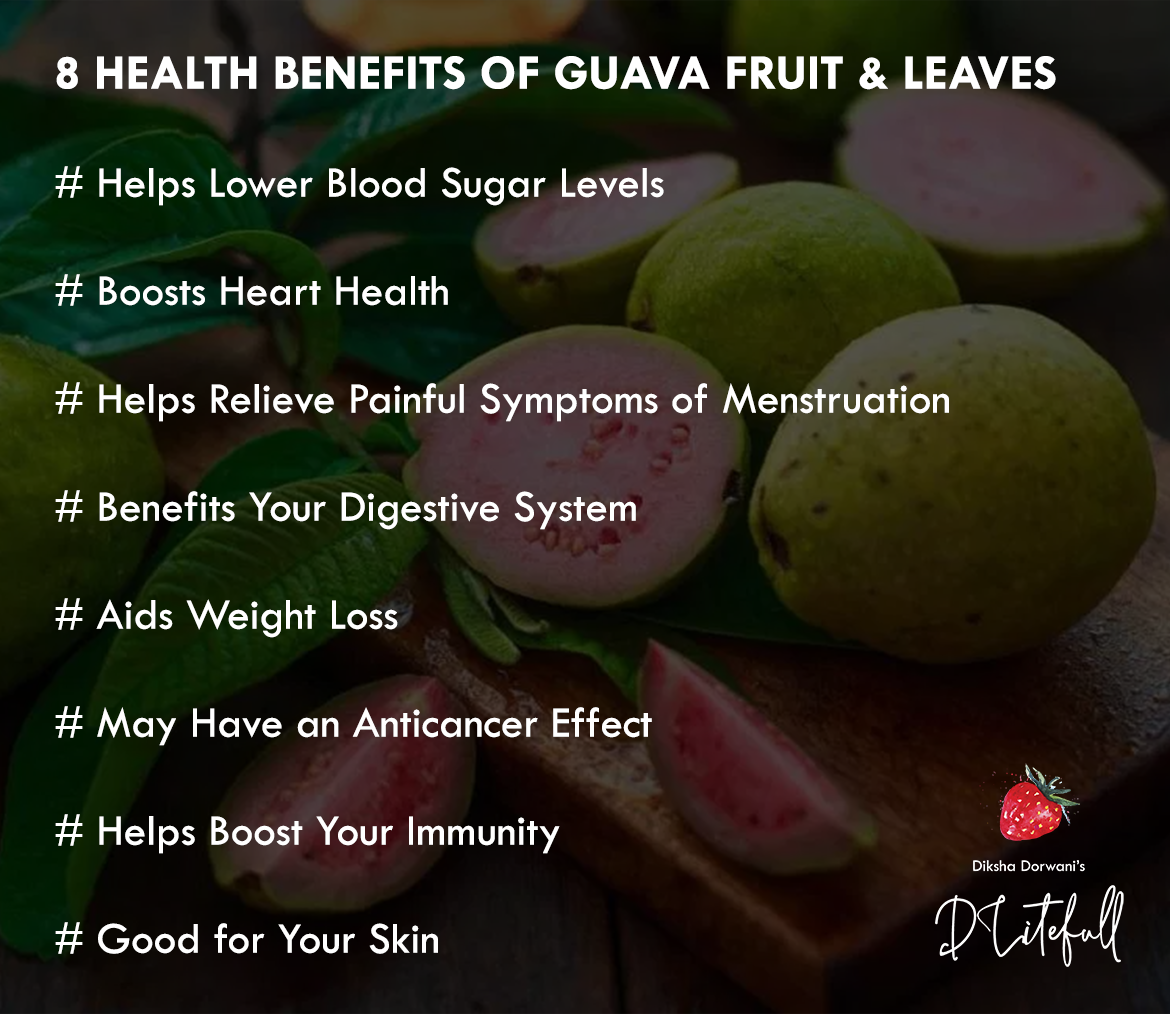
In the bustling marketplace of natural health, certain fruits wear their virtues proudly, their benefits widely known and often singular. The orange, a beacon of Vitamin C. The avocado, a champion of healthy fats. Then, there are the quiet titans, unassuming in their commonality, yet harboring a profound complexity that belies their humble appearance. Among these, the guava (Psidium guajava) stands as a vibrant testament to nature’s intricate pharmacy, a fruit whose reputation, while acknowledging its formidable Vitamin C content, only scratches the surface of its true antioxidant prowess.
This is not merely an article; it is an invitation to embark on a journey of discovery, to peel back the layers of a fruit often taken for granted and reveal the symphony of phytochemicals working in concert within. For the knowledgeable audience, accustomed to the nuances of biochemical pathways and the intricate dance of cellular protection, this exploration aims to elevate the guava from a simple source of ascorbic acid to a comprehensive powerhouse, a nuanced shield against the relentless assault of oxidative stress.
The Guava’s Roots and Rise: A Global Journey of Wellness
Our story begins in the heart of the Americas, where the guava’s origins trace back to Southern Mexico and Central America. For millennia, indigenous cultures revered this fruit not just for its sweet, aromatic flesh, but for its profound medicinal properties. Traditional healers utilized every part of the guava tree – its leaves, bark, roots, and fruits – to address ailments ranging from digestive distress and inflammatory conditions to wound healing and infections. As European explorers ventured into the New World, they encountered this remarkable fruit, and its seeds, along with its lore, began a global migration, establishing roots in tropical and subtropical regions across Asia, Africa, and the Pacific.
Its adaptability and resilience saw it flourish in diverse climates, becoming a staple in countless diets and traditional medicine systems. Yet, for much of this history, the underlying mechanisms of its therapeutic effects remained shrouded in mystery, attributed simply to "nature’s goodness." It was only with the advent of modern phytochemistry and nutritional science that the true narrative of guava’s antioxidant richness began to unfold, revealing a complexity that far surpassed initial estimations.
Beyond Ascorbic Acid: The Antioxidant Symphony Unveiled
The first note in guava’s antioxidant symphony, and indeed its most famous, is Vitamin C (ascorbic acid). It is widely known that guava often surpasses citrus fruits in its Vitamin C content, providing a significant portion of the daily recommended intake in a single serving. As a powerful water-soluble antioxidant, Vitamin C directly neutralizes free radicals, particularly reactive oxygen species (ROS), by donating electrons, thus preventing oxidative damage to proteins, lipids, and DNA. It also plays a crucial role in regenerating other antioxidants, such as Vitamin E, and is indispensable for collagen synthesis, immune function, and iron absorption.
However, to confine guava’s antioxidant story to Vitamin C alone would be akin to judging a complex opera by its overture. The true masterpiece lies in the diverse ensemble of phytochemicals that play their distinct, yet harmonized, roles.
1. The Brilliant Hues of Carotenoids: Lycopene and Beta-Carotene
As we delve deeper, the vibrant colors of guava offer the next clue. The luscious pink and red varieties owe their captivating hues to a class of fat-soluble pigments known as carotenoids, primarily lycopene and, to a lesser extent, beta-carotene.
-
Lycopene, the pigment famously abundant in tomatoes and watermelons, is a potent singlet oxygen quencher. Singlet oxygen, a highly reactive form of oxygen, is particularly damaging to cellular components. Lycopene’s unique acyclic polyene structure allows it to efficiently absorb and dissipate the energy of singlet oxygen without undergoing chemical degradation, thus protecting cells from its destructive potential. Beyond its role in directly neutralizing this specific ROS, lycopene has been extensively studied for its implications in prostate health, cardiovascular disease prevention, and its ability to modulate cell signaling pathways involved in inflammation and proliferation. The bioavailability of lycopene, being fat-soluble, is enhanced when consumed with a source of fat, and interestingly, it is more bioavailable from processed forms (like cooked guava paste) due to the breakdown of cell walls, though fresh consumption remains highly beneficial.
-
Beta-carotene, another well-known carotenoid, is a precursor to Vitamin A and also possesses significant antioxidant activity. It scavenges free radicals, particularly peroxy radicals, and its presence in guava contributes to the fruit’s overall protective capacity, supporting vision, immune function, and skin health.
2. The Structural Guardians: Flavonoids
Moving into the realm of polyphenols, we encounter the flavonoids, a vast group of plant secondary metabolites characterized by their distinctive diphenylpropane structure (C6-C3-C6). Guava is rich in various subclasses of flavonoids, including quercetin, kaempferol, rutin, catechin, epicatechin, and their glycosides.
Flavonoids exert their antioxidant effects through multiple mechanisms:
- Direct Free Radical Scavenging: Their phenolic hydroxyl groups readily donate hydrogen atoms to free radicals, stabilizing them and terminating radical chain reactions. The arrangement and number of these hydroxyl groups significantly influence their scavenging efficiency.
- Metal Chelation: Flavonoids can chelate transition metal ions, particularly iron and copper, which are potent pro-oxidants. By binding these metals, flavonoids prevent them from catalyzing the formation of highly reactive hydroxyl radicals via the Fenton reaction, thus halting a major source of oxidative damage.
- Enzyme Modulation: Flavonoids can modulate the activity of various enzymes involved in both antioxidant defense and pro-oxidant generation. For instance, some can inhibit enzymes like xanthine oxidase, which produces superoxide radicals, while others can upregulate the expression of endogenous antioxidant enzymes such as superoxide dismutase (SOD), catalase (CAT), and glutathione peroxidase (GSH-Px).
- Anti-inflammatory Effects: Many flavonoids possess anti-inflammatory properties by inhibiting pro-inflammatory enzymes (e.g., COX-2, iNOS) and pathways (e.g., NF-κB), which are intimately linked with oxidative stress.
Quercetin, a prominent flavonoid in guava, is particularly well-researched for its broad spectrum of biological activities, including anti-inflammatory, anti-carcinogenic, and cardioprotective effects, largely attributed to its potent antioxidant capacity.


Post Comment