Detox, Refined: The Role of Coconut Water in Supporting Liver and Kidney Health
The Evolving Narrative of Purity: From Harsh Cleanses to Refined Support
Humanity’s quest for purity is as ancient as civilization itself. From ritualistic baths in sacred rivers to fasting traditions spanning millennia, the desire to cleanse the body and spirit has been a constant thread in our collective story. In the modern era, this ancient yearning has transmuted into the phenomenon of "detox." For years, the term conjured images of extreme diets, harsh purges, and restrictive regimens promising a reset for a body perceived as burdened and toxic. This narrative, often driven by marketing rather than physiology, painted detoxification as an aggressive battle against internal pollutants.
But as our understanding of human biology deepens, so too does our approach to wellness. The pendulum is now swinging towards a more sophisticated, nuanced perspective: "Detox, Refined." This isn’t about waging war on the body, but about nurturing its inherent wisdom, optimizing its natural processes, and providing gentle, yet profound, support. It’s a story of collaboration, not conflict; of enhancement, not deprivation. In this refined narrative, the focus shifts from radical elimination to intelligent nourishment, empowering the body’s own miraculous machinery to perform its vital functions with greater efficiency and resilience.
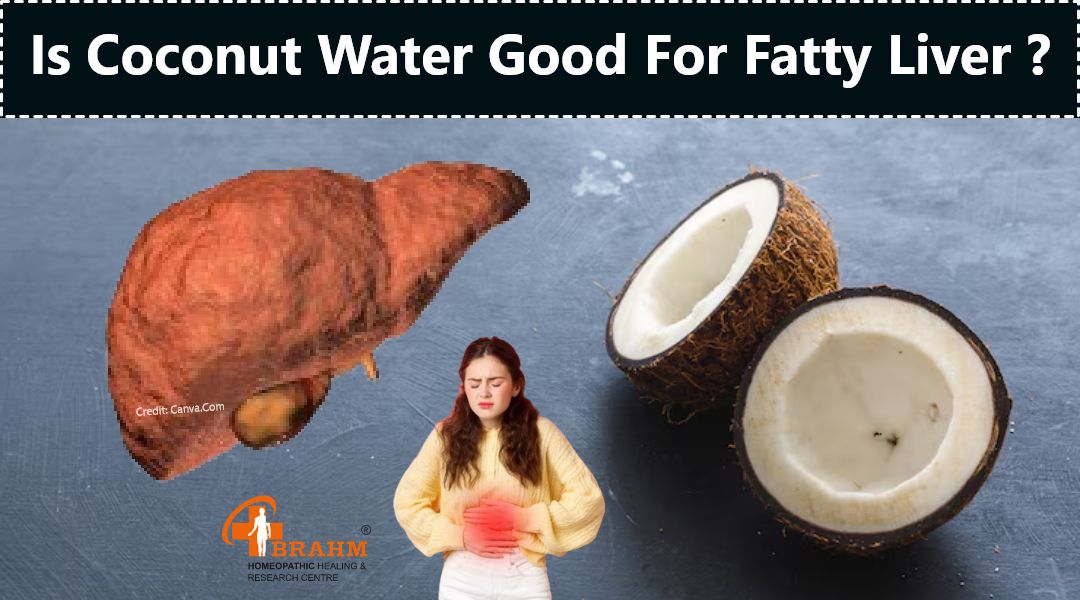
At the heart of this refined approach, often overlooked in the cacophony of superfood trends, lies a humble yet potent elixir: coconut water. This natural beverage, revered for centuries in tropical cultures, is emerging as a star player in supporting two of the body’s most critical detoxification and filtration organs: the liver and the kidneys. Far from being a mere thirst quencher, coconut water embodies the essence of "Detox, Refined," offering a delicate balance of electrolytes, antioxidants, and vital nutrients that harmoniously bolster these organs without undue stress. This article will embark on a journey to explore the scientific underpinnings and traditional wisdom behind coconut water’s profound efficacy, unraveling a story of natural synergy and physiological wisdom that can transform our approach to health.
The Liver: Our Internal Alchemist and Its Burdens
Imagine an intricate chemical factory operating ceaselessly within your body, performing over 500 vital functions every single second. This is the liver – a true internal alchemist, transmuting toxins into harmless substances, synthesizing proteins, storing essential nutrients, producing bile for digestion, and regulating blood sugar. It is the grand orchestrator of our metabolism, a tireless guardian against internal and external threats. From the moment food enters our system to the processing of medications, hormones, and environmental pollutants, the liver stands as the primary line of defense, filtering, transforming, and preparing substances for elimination.
Yet, in our modern world, this incredible organ faces an unprecedented barrage of challenges. Processed foods laden with artificial additives, excessive alcohol consumption, chronic stress, environmental toxins lurking in the air and water, and the constant stream of prescription and over-the-counter medications all place an immense burden on the liver. When overwhelmed, its efficiency wanes, leading to a cascade of health issues ranging from fatigue and digestive problems to more serious conditions like fatty liver disease and impaired detoxification pathways. Historically, cultures have recognized the liver’s paramount importance, turning to specific herbs, bitter foods, and cleansing practices to aid its recovery and maintain its vigor. The refined detox approach seeks to understand these burdens and offer targeted, gentle support, and it is here that coconut water enters the stage.
Coconut Water and Liver Health: A Symphony of Support
The mechanisms by which coconut water supports liver health are multifaceted, echoing the complexity of the organ itself:
-
Antioxidant Powerhouse: The liver is particularly vulnerable to oxidative stress, a state where an imbalance between free radicals and antioxidants leads to cellular damage. This stress is a major contributor to various liver diseases. Coconut water is rich in natural antioxidants, including Vitamin C, polyphenols, and cytokinins. These compounds act as vigilant scavengers, neutralizing harmful free radicals and protecting liver cells from damage. By reducing oxidative stress, coconut water helps preserve the structural integrity and functional capacity of hepatocytes (liver cells), allowing them to perform their detoxification and metabolic duties more effectively. This protective shield is crucial for an organ constantly exposed to potential damaging agents.
-
Electrolyte Balance and Cellular Function: The liver’s complex biochemical reactions depend on a stable internal environment, meticulously regulated by electrolytes. Coconut water is renowned for its superior electrolyte profile, boasting significant amounts of potassium, magnesium, calcium, and sodium in a naturally balanced ratio. These electrolytes are not just for hydration; they are critical cofactors for numerous enzymatic reactions within the liver. Potassium, for instance, is vital for maintaining cellular fluid balance and nerve signaling, both of which indirectly support optimal liver function. Magnesium is involved in hundreds of enzymatic processes, including those related to energy production and detoxification. By ensuring optimal electrolyte balance, coconut water supports the intricate cellular machinery of the liver, enhancing its metabolic efficiency.
-
Foundational Hydration for Detoxification: While often overlooked, adequate hydration is the bedrock of all metabolic processes, especially those related to detoxification. The liver’s Phase I and Phase II detoxification pathways, which transform fat-soluble toxins into water-soluble compounds for excretion, demand ample water. Phase I reactions often involve oxidation, reduction, and hydrolysis, while Phase II involves conjugation reactions that attach other molecules (like glutathione or sulfate) to toxins, making them easier to excrete. Both phases require sufficient hydration to facilitate these transformations and transport the modified toxins out of the liver. Coconut water, with its natural sugars and electrolytes, is absorbed more efficiently than plain water, providing superior cellular hydration that directly aids these vital detoxification processes, ensuring a smoother flow through the liver’s complex pathways.
-
Cytokinins and Anti-inflammatory Potential: Coconut water contains natural plant hormones known as cytokinins. While research is ongoing, these compounds have been studied for their potential anti-aging, anti-thrombotic, and anti-carcinogenic effects. In the context of the liver, their potential anti-inflammatory properties could be beneficial. Chronic inflammation is a significant driver of liver damage and disease progression, including non-alcoholic fatty liver disease (NAFLD) and fibrosis. By potentially modulating inflammatory responses, cytokinins in coconut water might offer a subtle layer of protection and support for liver tissue repair and regeneration.
-
Amino Acids for Repair and Synthesis: Coconut water provides a range of amino acids, the building blocks of proteins. The liver is a highly metabolically active organ, constantly synthesizing new proteins (like albumin and clotting factors) and repairing its own cellular structures. Adequate amino acid supply is crucial for these processes. While not a complete protein source, the amino acids present in coconut water contribute to the overall nutritional support, aiding in the liver’s continuous cycle of repair and regeneration, especially after periods of stress or damage.
-
Hepatoprotective Potential: Emerging Research: Animal and in vitro studies have begun to explore the direct hepatoprotective effects of coconut water. Research has indicated that coconut water may offer protection against liver damage induced by certain toxins, such as acetaminophen (paracetamol) or alcohol. While human studies are still needed to confirm these effects definitively, the preliminary findings suggest that the combined antioxidant, anti-inflammatory, and hydrating properties of coconut water contribute to its ability to shield liver cells from various forms of injury. This emerging scientific evidence aligns with traditional observations of its benefits.


Post Comment