From Garden to Pharmacy: Why You Should Grow Bitter Melon This Year
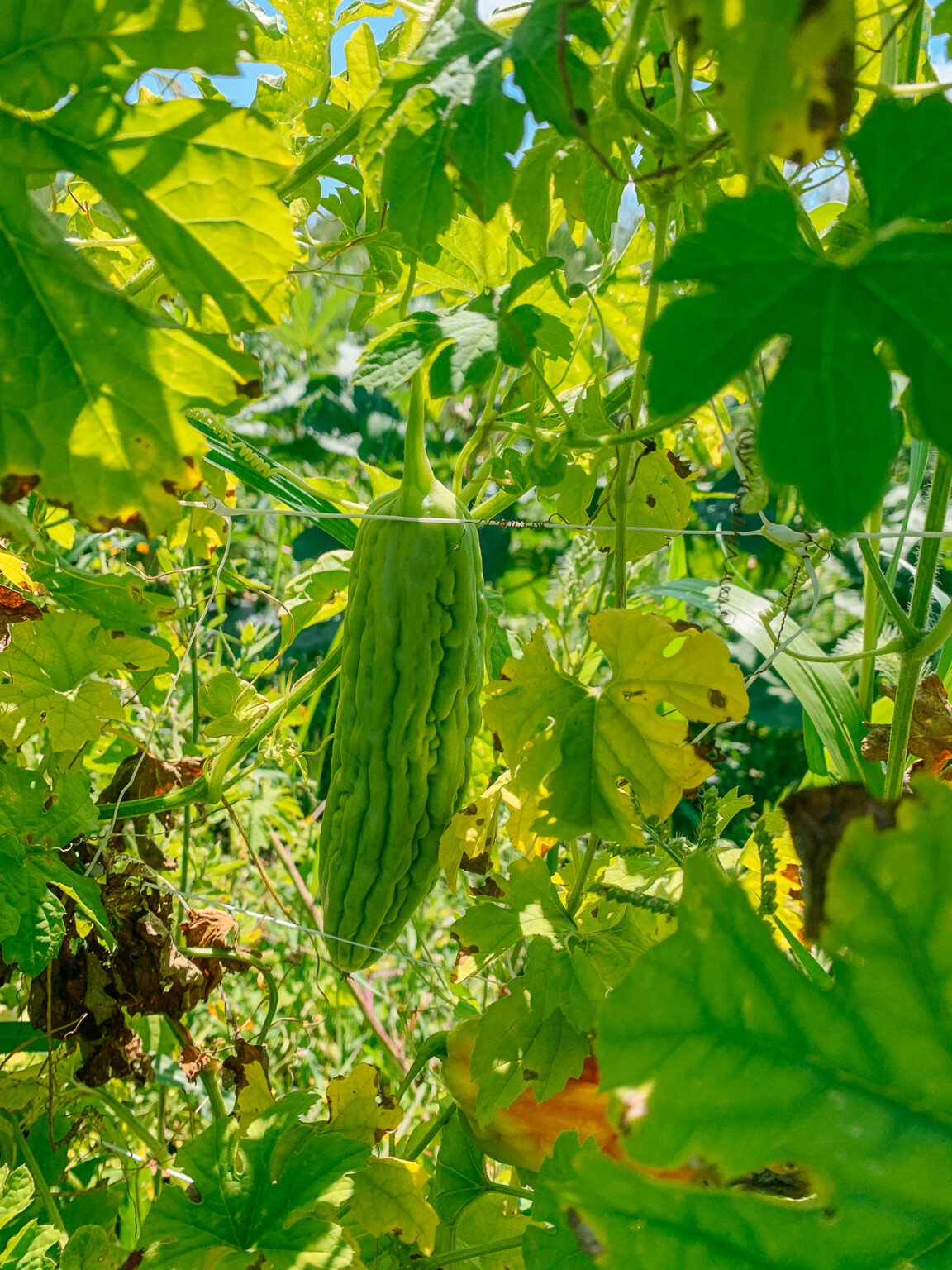
Imagine a plant, unassuming in its vining grace, yet possessing a taste that challenges the palate and a power that humbles modern medicine. It’s a plant steeped in ancient wisdom, a staple in countless traditional kitchens, and now, a burgeoning subject of cutting-edge scientific inquiry. This year, more than ever, it’s time to invite this remarkable botanical into your life, from the fertile soil of your garden to the vibrant realm of your personal pharmacy. We are, of course, talking about Momordica charantia, the enigmatic and immensely beneficial bitter melon.
The journey from a humble seed to a potent therapeutic agent is a fascinating saga, a testament to nature’s profound intelligence. For the knowledgeable seeker of holistic wellness, the story of bitter melon isn’t just about a vegetable; it’s about reclaiming agency over health, reconnecting with the earth, and embracing a natural legacy that promises profound dividends. This article will unravel the multifaceted tapestry of bitter melon, exploring its journey from your garden patch to its revered status in the world of wellness, guiding you through its cultivation, culinary magic, and the astonishing scientific revelations that underscore its therapeutic prowess.
The Garden: Cultivating an Ancient Enigma
Before we delve into the intricate biochemistry of bitter melon, let us first appreciate its journey from the soil. Growing bitter melon is not merely an act of horticulture; it’s an initiation into a dialogue with nature, a commitment to nurturing a plant that will, in turn, nurture you. For the discerning gardener, cultivating Momordica charantia offers a unique blend of challenge and immense satisfaction.
A Glimpse into its Origins and Character:
Native to tropical and subtropical regions of Asia, Africa, and South America, bitter melon is a member of the Cucurbitaceae family, making it a cousin to cucumbers, squash, and pumpkins. Its appearance is as distinctive as its taste: elongated, warty, and typically green, ripening to a yellow-orange hue. The plant itself is a vigorous climber, sending out tendrils that grasp onto anything available, making it a beautiful and productive addition to any vertical garden or trellis.
Why Grow It Yourself? Beyond the Supermarket Aisle:
While bitter melon is increasingly available in ethnic markets, growing your own offers several compelling advantages for the knowledgeable consumer:
- Unparalleled Freshness and Potency: The moment a fruit is harvested, its nutritional and medicinal compounds begin to degrade. Homegrown bitter melon, picked at its peak, ensures you’re consuming the freshest, most potent form, maximizing its therapeutic benefits.
- Control Over Cultivation Practices: You dictate the environment. Organic, pesticide-free, and nutrient-rich soil practices mean you avoid unwanted chemicals, ensuring a pure product. For those truly invested in their health, this control is invaluable.
- Variety Selection: There are numerous cultivars of bitter melon, varying in size, shape, and bitterness levels (though all are, by definition, bitter). Growing your own allows you to experiment with different varieties, perhaps discovering one perfectly suited to your palate or specific health goals.
- Cost-Effectiveness: A single packet of seeds can yield dozens of fruits throughout a growing season, providing a bountiful and economical source of this valuable vegetable.
- The Joy of Connection: There’s an undeniable satisfaction in harvesting food you’ve nurtured from seed. It fosters a deeper connection to your diet and the natural world, transforming eating from a mere necessity into a mindful, holistic experience.
A Gardener’s Guide to Momordica charantia:
- Climate and Sunlight: Bitter melon thrives in warm, humid climates, mirroring its tropical origins. It requires full sun, ideally 6-8 hours of direct sunlight per day, to produce abundant fruit. It is sensitive to frost, so plant seeds or seedlings after all danger of frost has passed and soil temperatures consistently reach 65-70°F (18-21°C).
- Soil Requirements: Well-draining, rich, loamy soil is paramount. Amend your garden beds generously with compost or well-rotted manure to provide the necessary nutrients and improve soil structure. A slightly acidic to neutral pH (6.0-7.0) is ideal.
- Planting:
- Direct Sowing: In warmer climates, seeds can be sown directly into the garden. Plant seeds about 1 inch deep and 12-18 inches apart, in rows 4-6 feet apart. Soaking seeds in warm water for 24 hours before planting can aid germination.
- Starting Indoors: For regions with shorter growing seasons, start seeds indoors 3-4 weeks before the last frost date. Use peat pots or biodegradable containers to minimize transplant shock, as bitter melon roots can be sensitive.
- Trellising is Non-Negotiable: As a vining plant, bitter melon must be provided with a sturdy trellis, netting, or stakes. Not only does this save space, but it also improves air circulation, reduces fungal diseases, and keeps the fruits off the ground, preventing rot and pest damage. Plus, the sight of mature bitter melons hanging from a trellis is quite striking.
- Watering: Consistent moisture is key, especially during flowering and fruiting. Water deeply and regularly, ensuring the soil remains evenly moist but not waterlogged. Drip irrigation or soaker hoses are excellent for delivering water directly to the root zone, minimizing evaporation.
- Fertilization: Beyond initial soil amendments, side-dress with compost or a balanced organic fertilizer every 3-4 weeks, particularly once flowering begins. A phosphorus-rich fertilizer can encourage fruit production.
- Pollination: Bitter melon plants produce both male and female flowers. While natural pollinators like bees usually do the job, hand-pollination can increase fruit set, especially in areas with fewer pollinators. Simply transfer pollen from a male flower (which has a slender stem) to a female flower (which has a small fruit swelling at its base) using a small brush or cotton swab.
- Pest and Disease Management: Bitter melon can be susceptible to common cucurbit pests like aphids, cucumber beetles, and squash bugs. Employ organic pest control methods such as neem oil, insecticidal soap, or companion planting (e.g., nasturtiums to deter aphids). Fungal diseases like powdery mildew can occur in humid conditions; ensure good air circulation and consider resistant varieties.


Post Comment