The Humble Hero: Unearthing the 7 Evidence-Based Health Benefits of Onions
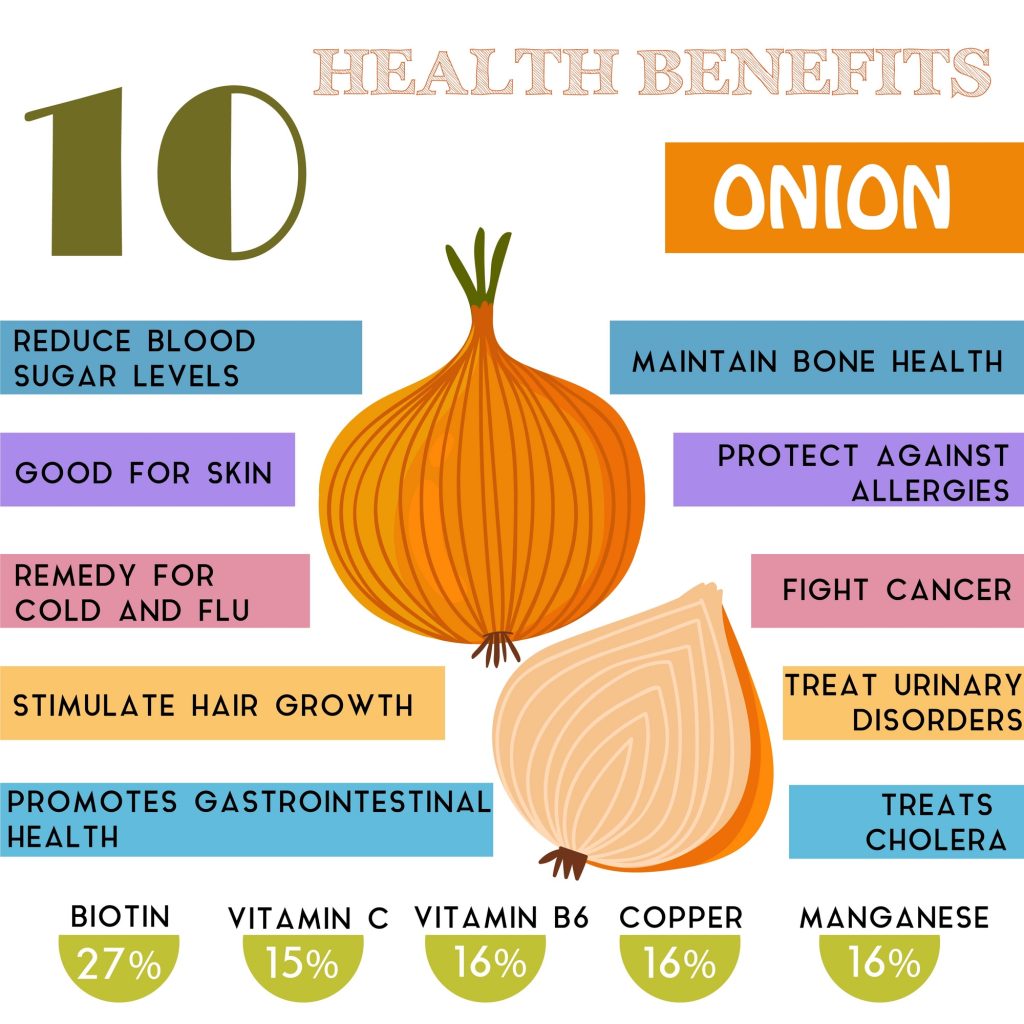
The onion. It’s the unsung hero of countless culinary traditions, a ubiquitous presence in kitchens across the globe. Often relegated to a supporting role, diced and sautéed as a flavorful base, its pungent aroma and the inevitable tears it elicits are perhaps its most famous attributes. Yet, beneath its papery skin and layered structure lies a veritable powerhouse of nutrients and bioactive compounds, a testament to nature’s intricate pharmacy. For millennia, cultures have intuitively understood its value, incorporating it into both their diets and their ancient remedies. Today, modern science is systematically peeling back the layers of this fascinating bulb, revealing a compelling story of its profound, evidence-based health benefits.
This isn’t just an article; it’s an invitation to embark on a journey, to rediscover a vegetable we thought we knew. It’s a narrative woven from history, chemistry, and rigorous scientific inquiry, designed for the knowledgeable palate – those who appreciate not just what an onion does, but how and why. Prepare to look at your next chopped onion not as a tear-jerker, but as a tiny, potent arsenal against disease, a culinary ally in the pursuit of optimal health.
A Legacy Steeped in Time: The Onion’s Enduring Appeal
Before we delve into the scientific specifics, it’s worth acknowledging the onion’s storied past. Its cultivation dates back over 5,000 years, with ancient civilizations recognizing its value long before the advent of microscopes or randomized controlled trials. Egyptians revered it, depicting it in their art and burying it with their pharaohs, believing its concentric layers symbolized eternal life. Romans prized it for its medicinal properties, believing it could cure ailments from headaches to snakebites. Medieval Europeans used it as a folk remedy and a staple food, sustaining themselves through harsh winters.
This enduring presence in human history isn’t mere coincidence; it hints at an intrinsic value that transcends taste. It suggests a deep-seated understanding, passed down through generations, that this pungent bulb offered more than just flavor. Modern science, with its sophisticated tools, is now validating these ancestral intuitions, translating anecdotal wisdom into quantifiable health outcomes.
The Chemical Symphony: What Makes Onions So Potent?
To understand the onion’s benefits, we must first appreciate its complex biochemical makeup. It’s not just one compound doing all the heavy lifting, but rather a synergistic symphony of phytochemicals, each playing a crucial role. The stars of this show include:
- Flavonoids: Primarily quercetin, but also anthocyanins (especially in red onions), which are potent antioxidants and anti-inflammatory agents.
- Organosulfur Compounds: These are responsible for the onion’s characteristic pungent aroma and the tears it causes. They include thiosulfinates, sulfoxides (like alliin), and polysulfides. These compounds are often formed when the onion’s cells are damaged (e.g., by chopping), converting stable precursors into highly reactive, beneficial molecules.
- Fructans: A type of soluble dietary fiber that acts as a prebiotic, feeding beneficial gut bacteria.
- Vitamins and Minerals: While not present in exceptionally high quantities compared to some other foods, onions contribute Vitamin C, B vitamins (especially folate and B6), potassium, and chromium.
It is this rich tapestry of compounds, working in concert, that underpins the remarkable health benefits we are about to explore.
1. The Antioxidant Powerhouse: Battling Oxidative Stress
Our bodies are constantly under attack from free radicals – unstable molecules that can damage cells, proteins, and DNA, leading to chronic diseases and accelerating the aging process. This phenomenon is known as oxidative stress. Antioxidants are our internal defense system, neutralizing these free radicals and protecting our cells.
Onions, particularly the red and yellow varieties, are exceptionally rich in potent antioxidants. The undisputed champion among these is quercetin, a flavonoid that gives onions their yellow/brown hue. Red onions also boast anthocyanins, the pigments responsible for their vibrant purple-red color, which are powerful antioxidants in their own right.
The Mechanism: Quercetin and anthocyanins work by directly scavenging free radicals, preventing them from causing cellular damage. They also enhance the activity of the body’s own antioxidant enzymes, offering a two-pronged defense. Studies have shown that regular consumption of onions can significantly increase antioxidant levels in the blood, reducing markers of oxidative stress. This protective effect extends to various tissues, including the liver, brain, and cardiovascular system.
Evidence: Numerous in vitro, animal, and human studies support the onion’s antioxidant prowess. For instance, research published in the Journal of Agricultural and Food Chemistry has highlighted the superior antioxidant capacity of red and yellow onions compared to other common vegetables. A human study demonstrated that participants consuming a diet rich in quercetin-containing foods, including onions, experienced a reduction in oxidized LDL cholesterol, a key marker for heart disease.
This foundational benefit forms the bedrock for many of the other health advantages, as reducing oxidative stress is critical for preventing a cascade of chronic conditions.
2. The Anti-Inflammatory Ally: Quelling the Internal Fire
Inflammation, in its acute form, is a vital protective response – it helps heal injuries and fight infections. However, chronic low-grade inflammation, often fueled by poor diet, stress, and environmental toxins, is a silent epidemic. It’s implicated in almost every major chronic disease, including heart disease, diabetes, cancer, and neurodegenerative disorders.
Onions are formidable anti-inflammatory agents, largely due to their high concentrations of quercetin and specific organosulfur compounds.
The Mechanism: Quercetin exerts its anti-inflammatory effects by inhibiting the production and release of pro-inflammatory mediators, such as histamine and leukotrienes. It also modulates signaling pathways involved in inflammation, notably the NF-κB pathway, which plays a central role in regulating immune responses and inflammation. The organosulfur compounds, upon enzymatic conversion (e.g., when chopping), produce molecules like thiosulfinates and sulfoxides that can also dampen inflammatory responses. They can inhibit enzymes like cyclooxygenase (COX) and lipoxygenase (LOX), which are involved in the synthesis of inflammatory molecules.
Evidence: Research published in journals like Phytotherapy Research and Molecular Nutrition & Food Research has extensively documented quercetin’s anti-inflammatory properties. Animal studies have shown that onion extract can reduce inflammation in conditions like arthritis and colitis. Human trials, though fewer, suggest that regular onion consumption can lead to a reduction in inflammatory markers in the blood, such as C-reactive protein (CRP), particularly in individuals with conditions associated with chronic inflammation. This anti-inflammatory action makes onions a valuable dietary component for supporting overall health and potentially mitigating the progression of inflammatory diseases.


Post Comment