Beyond the Cake: 7 Healing Properties of Pandan You Never Knew
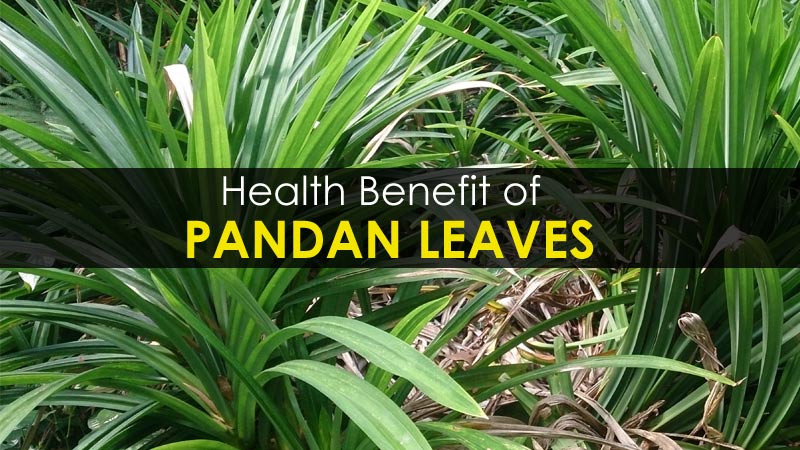
The aroma hits you first. Not a subtle whisper, but a verdant, almost vanilla-like embrace, imbued with an earthiness that hints at tropical forests and sun-drenched kitchens. For many, this scent is the very essence of Southeast Asian comfort – the vibrant green hue of a steamed cake, the fragrant rice accompanying a spicy curry, the delicate sweetness of a chilled dessert. Pandan, Pandanus amaryllifolius, is known affectionately as the "vanilla of the East," a culinary darling whose leaves lend their unique magic to countless dishes, transforming the ordinary into the extraordinary.
Yet, to confine pandan to the realm of mere flavoring is to overlook a profound truth, a story whispered through generations of healers and nurtured by the fertile soils of ancient lands. It is to ignore the silent wisdom that recognized this unassuming plant as far more than a culinary enhancer; it is to miss its true identity as a potent botanical ally, a humble hero brimming with therapeutic prowess. Our journey today takes us beyond the cake, past the dessert platter, and into the heart of pandan’s ancestral legacy, to unveil seven healing properties that have long been known to indigenous communities, now poised for a global rediscovery. For the knowledgeable mind, eager to delve deeper into nature’s pharmacy, this is a tale of tradition, science, and the timeless power of the plant kingdom.
The Verdant Heartbeat of Southeast Asia: A Cultural Tapestry
Before we delve into its therapeutic marvels, it’s crucial to understand pandan’s foundational role in the cultural fabric of Southeast Asia. From the bustling markets of Bangkok to the serene villages of Bali, its presence is ubiquitous. In Thailand, it graces offerings to temples; in Malaysia and Indonesia, it’s woven into intricately folded baskets to perfume homes; in the Philippines, it’s simmered into refreshing beverages. It’s not just an ingredient; it’s a living tradition, a symbol of hospitality, and a quiet testament to a holistic way of life where food and medicine are inextricably linked.
Generations learned from observation and passed down knowledge. The grandmother who steeped pandan leaves for a feverish child, the village elder who recommended a poultice for a sore muscle, the young bride who braided its leaves into her hair for fragrance and luster – these weren’t mere culinary experiments. They were practical applications of deep-seated wisdom, a testament to pandan’s multifaceted gifts. This profound connection, often overshadowed by its delightful flavor, forms the bedrock upon which its healing narrative rests. It is from this rich cultural soil that we unearth pandan’s hidden treasures, ready to explore how its vibrant essence can nurture and restore.
1. The Soothing Whisper: Stress Reduction & Anxiety Relief
Imagine a moment of profound calm. Perhaps it’s the gentle warmth of a sunrise, the soft rustle of leaves in a breeze, or the comforting embrace of a loved one. For many in Southeast Asia, that feeling is intrinsically linked to the delicate, almost creamy aroma of pandan. It’s a scent that permeates homes, temples, and even traditional spas, silently working its magic.
The first healing property of pandan, and perhaps one of its most universally appreciated, lies in its remarkable ability to calm the mind and soothe the spirit. In our increasingly frenetic world, stress and anxiety have become unwelcome companions, eroding our well-being. Traditional healers, long before the advent of neuroscience, understood the profound connection between aroma and emotional state. They intuitively grasped that certain scents could act as potent balms for the agitated mind.
Pandan’s unique fragrance profile, a complex symphony of volatile compounds including 2-acetyl-1-pyrroline (which gives it its characteristic popcorn-like note), is believed to interact with our olfactory system in a way that promotes relaxation. When we inhale these aromatic molecules, they travel directly to the limbic system, the ancient part of our brain responsible for emotions, memory, and motivation. This direct pathway bypasses conscious thought, allowing for an immediate and often subconscious calming response.
In traditional practices, pandan leaves were often placed under pillows to aid sleep, or woven into mats and cushions to infuse living spaces with their tranquil essence. A simple pandan tea, steeped slowly to release its aromatic oils, served not just as a refreshing beverage but as a ritual of unwinding after a long day. The act of preparing it, the visual appeal of its green hue, and the subsequent inhalation of its steam all contributed to a multi-sensory calming experience.
For a knowledgeable audience, it’s worth noting that while scientific research specifically on pandan’s anxiolytic (anti-anxiety) effects via aromatherapy is still emerging, the broader field of aromatherapy strongly supports the idea that certain plant compounds can modulate mood and stress responses. The anecdotal evidence spanning centuries, coupled with the known effects of similar aromatic compounds in other plants, lends significant credence to pandan’s role as a natural stress reliever.
In modern applications, incorporating pandan into your routine could be as simple as adding a few fresh leaves to a pot of boiling water for a fragrant steam, or seeking out pandan-infused essential oils (though rare and often synthetic, caution is advised) or even natural home fragrances. The story here is one of gentle persuasion, a fragrant lullaby from nature designed to bring equilibrium back to a bustling mind. It reminds us that sometimes, the most potent medicine comes not in a pill, but in the subtle, pervasive beauty of a scent.
2. The Gentle Balm: Pain Relief & Anti-inflammatory Action
Beyond its soothing aroma, pandan holds a deeper, more physically tangible healing power: its capacity to alleviate pain and reduce inflammation. This property, perhaps less widely known in the Western culinary context, has been a cornerstone of traditional medicine for centuries, particularly in regions where manual labor and physical ailments were a daily reality.
Imagine a farmer returning from a long day in the rice paddies, muscles aching, joints protesting. Or a mother nursing a child with a fever, seeking comfort and relief. In these scenarios, pandan was often the first line of defense. Its leaves, either crushed and applied as a poultice or brewed into a potent decoction, were revered for their analgesic and anti-inflammatory effects.
The mechanism behind this property is believed to be multifaceted. Pandan contains various phytochemicals, including alkaloids, glycosides, and flavonoids, many of which are known for their anti-inflammatory and pain-relieving capabilities. Flavonoids, for instance, are powerful antioxidants that can help neutralize free radicals and reduce oxidative stress, a key contributor to inflammation. While specific clinical trials on pandan’s direct pain-relieving compounds are still ongoing, the traditional applications are vast and compelling.
In traditional Thai medicine, a hot compress made from pandan leaves was often applied to areas of muscle soreness, sprains, or arthritic joints. The heat itself aids circulation, while the active compounds absorbed through the skin work to reduce swelling and discomfort. Similarly, in other parts of Southeast Asia, a strong brew of pandan leaves was consumed to alleviate headaches, stomach cramps, and even the pain associated with urinary tract infections. The story here is one of direct engagement with the body’s discomfort, a gentle but firm intervention from nature.
For the knowledgeable reader, it’s important to appreciate the distinction between symptomatic relief and addressing root causes. While pandan can offer significant symptomatic relief for various types of pain and inflammation, it is not a cure for underlying chronic conditions. However, its natural origin and generally mild side-effect profile make it an attractive complementary therapy.
Today, you might find pandan incorporated into topical balms or massage oils in traditional spas. For home use, steeping fresh or dried pandan leaves in hot water to create a strong tea, then soaking a cloth in it and applying it as a warm compress, mirrors ancient practices. This aspect of pandan reminds us that nature often provides sophisticated, multi-compound solutions to our physical ailments, offering relief that is both gentle and effective, rooted in generations of empirical observation.
3. The Balanced Flow: Blood Sugar Management
One of the most intriguing and potentially impactful healing properties of pandan, particularly in an era grappling with metabolic health challenges, is its traditional use in managing blood sugar levels. While modern scientific research is still in its nascent stages, the wisdom of ancestral practices has long recognized pandan’s role in supporting metabolic balance.
Imagine communities where diabetes was understood not by its clinical definition, but by its observable symptoms: excessive thirst, frequent urination, unexplained fatigue. In such contexts, certain plants were identified as "balancing" agents, believed to help the body regulate its internal systems. Pandan was one such plant.
Traditional healers in various Southeast Asian countries have prescribed pandan leaf decoctions to individuals struggling with high blood sugar. The belief was that regular consumption could help keep glucose levels in check, preventing the spikes and crashes that characterize uncontrolled diabetes. While the exact mechanisms are still under investigation, preliminary studies suggest that compounds within pandan may influence insulin sensitivity, glucose absorption, or even pancreatic function. Some research points to the presence of alkaloids and flavonoids that could contribute to these effects.
For a knowledgeable audience, it’s crucial to contextualize this. Pandan is not a substitute for prescribed diabetes medication or a healthy lifestyle. However, its traditional use offers a compelling avenue for further scientific exploration and could potentially serve as a supportive botanical. The story here is one of proactive health, of a plant quietly assisting the body in maintaining its vital equilibrium.
Consider a daily ritual of consuming pandan tea, perhaps alongside a balanced diet, as a gentle way to support metabolic health. The mild, pleasant flavor makes it an enjoyable beverage, far removed from the bitterness often associated with medicinal herbs. This property of pandan underscores the ingenuity of traditional medicine, which, through careful observation over millennia, identified plants with profound systemic effects long before modern laboratories could isolate and analyze their active constituents.
As the global health community increasingly seeks natural, sustainable approaches to chronic conditions, pandan’s potential in blood sugar management stands out as a particularly promising area. It’s a reminder that sometimes, the answers to contemporary health crises might be found in the ancient wisdom embedded in our natural world, waiting to be rediscovered and validated.
4. The Gentle Cleanser: Digestive Aid & Detoxification
The human digestive system is a complex symphony, and when even one instrument is out of tune, the whole orchestra suffers. From indigestion to constipation, abdominal discomfort is a common ailment. Enter pandan, whose fourth healing property lies in its ability to act as a gentle digestive aid and a subtle detoxifier, nurturing the gut and promoting internal cleansing.
Imagine the aftermath of a rich, celebratory meal in a tropical climate. The heaviness, the slight discomfort. In many Southeast Asian households, a cup of pandan tea or a dish infused with its leaves would be offered, not just for flavor, but for its soothing effect on the stomach. The tradition points to pandan’s efficacy in calming an upset digestive system, alleviating cramps, and even acting as a mild laxative.


Post Comment