The Emerald Enigma: 5 Surprising Reasons to Add Pandan to Your Daily Diet
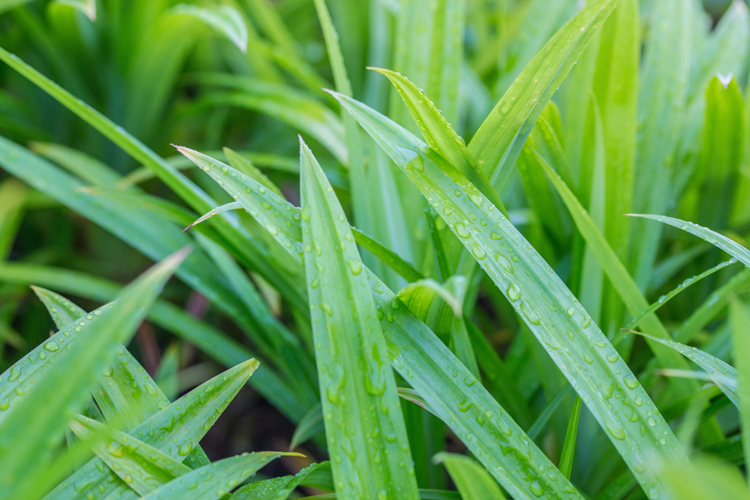
In the verdant embrace of Southeast Asia, amidst the rustling palms and the symphony of tropical life, there grows a plant often whispered about but rarely fully understood beyond its culinary fame. It is Pandanus amaryllifolius, more commonly known as pandan – the ‘vanilla of the East,’ the ‘fragrant screwpine.’ For generations, its long, slender, emerald-green leaves have lent their intoxicating aroma and subtle sweetness to an array of dishes, from delicate desserts to savory curries. Yet, to dismiss pandan as merely a flavoring agent is to miss an entire universe of potential, a story waiting to unfold within its fibrous veins.
We live in an age of superfoods, where exotic berries and ancient grains vie for our attention, promising vitality and longevity. But what if one of nature’s quietest powerhouses has been lurking in plain sight, its true narrative obscured by its humble ubiquity? This isn’t just about adding a new flavor to your palate; it’s about embarking on a journey of rediscovery, inviting a profound sense of well-being into your daily rhythm. Prepare to be surprised, for pandan is far more than a culinary muse. It is a subtle healer, a gentle guardian, and a silent whisperer of ancient wisdom, offering five transformative reasons to weave its magic into the very fabric of your daily life. For the discerning palate and the curious mind, let us unveil the emerald enigma.
1. The Serene Scent-Scape: Beyond Mere Fragrance, a Journey to Inner Calm
When you first encounter pandan, it is almost always through its scent. It’s an aroma that defies easy categorization: a sweet, grassy freshness intertwined with hints of rose, vanilla, and a subtle nuttiness. It’s comforting, exotic, and utterly unique. For most, this scent is the prelude to a delicious meal, a promise of culinary delight. But for those who truly listen, who allow the fragrance to linger, pandan reveals its first surprising secret: it is a profound modulator of mood, a natural architect of serenity, capable of transforming your internal landscape.
Imagine stepping into a bustling kitchen in Bangkok or a tranquil temple garden in Bali. In both settings, pandan leaves might be found, not just in a cooking pot, but perhaps tied into a knot and tucked into a corner, or even woven into a simple garland. This isn’t mere decoration; it’s an ancient, intuitive understanding of aromatherapy, a recognition that the volatile compounds within pandan possess a remarkable ability to soothe the nervous system. The primary aromatic compound, 2-acetyl-1-pyrroline, is what gives pandan its signature fragrance, but it’s the complex interplay of hundreds of other subtle notes that truly crafts its calming effect.
Consider the narrative of a modern urbanite, caught in the relentless churn of deadlines and digital notifications. Sarah, a graphic designer, found herself increasingly frayed, her evenings a blurry cascade of unfinished thoughts and restless sleep. She’d tried various relaxation techniques, from guided meditations to herbal teas, with limited success. Then, on a whim, after discovering a local Asian grocery, she bought a bunch of fresh pandan leaves. Intrigued by their vibrant green and unique aroma, she decided to simply place a few bruised leaves in a bowl of water on her desk.
The transformation wasn’t instantaneous, nor was it dramatic like a sudden jolt of caffeine. Instead, it was a gentle unfolding, a subtle shift in the atmospheric pressure of her mind. As the day progressed, the pandan’s scent diffused softly, an emerald whisper cutting through the digital hum. Sarah noticed she was less prone to snapping at minor annoyances, her shoulders felt less hunched, and her breath seemed to find a deeper, more natural rhythm. In the evenings, she began to make a simple pandan tea, just a few leaves steeped in hot water, allowing the steam to carry the scent to her as she sipped. Her sleep, once elusive, became deeper, more restorative. The pandan wasn’t a sedative; it was a conductor, guiding her mind from cacophony to harmony.
The science, though still emerging in Western understanding, aligns with this ancient wisdom. Olfactory receptors in the nose are directly linked to the limbic system, the part of the brain responsible for emotions, memory, and motivation. A scent like pandan’s, perceived as pleasant and calming, can signal safety and relaxation, lowering cortisol levels and promoting a sense of well-being. It’s a gentle recalibration, a daily dose of olfactory meditation that requires no special skill, only an open mind and a willingness to breathe.
Incorporating pandan for its calming scent is delightfully simple. Keep a few fresh leaves in a glass of water on your desk or bedside table, changing them every few days. Blend them into a homemade diffuser oil or sachets for your linen closet. Or, as Sarah discovered, a warm cup of pandan tea in the morning or evening can be a profound ritual, an invitation to a serene scent-scape that prepares you for the day or gently guides you into restful slumber. Pandan, in its quiet grace, offers not just a fragrance, but a daily journey to inner calm, a surprising balm for the modern soul.
2. The Hidden Gut Guardian: A Digestive Revelation Beyond Expectation
For centuries, across the diverse cultures of Southeast Asia, pandan has been more than just a flavor; it has been a quiet companion to digestive wellness. Often used in conjunction with rich, complex meals, its inclusion was not merely for aromatic balance, but born from an intuitive understanding of its gentle yet profound effects on the gastrointestinal system. This is pandan’s second surprising secret: it is a hidden gut guardian, a soothing balm and a subtle regulator, offering a digestive revelation that extends far beyond expectation.
Think of the elaborate feasts of Indonesian nasi tumpeng or the vibrant curries of Thailand. These dishes, while delicious, can be heavy, rich in fats and spices. Pandan, often incorporated into rice, sauces, or even as a wrapping, acts as a culinary counterpoint. Traditionally, it has been employed in folk medicine to address a spectrum of digestive discomforts: from mild indigestion and stomach cramps to bloating and even as a gentle laxative. This isn’t a harsh, immediate remedy, but rather a slow, consistent support system for the gut, akin to a wise elder offering gentle guidance rather than a stern command.
What makes pandan such an effective, yet understated, digestive aid? While comprehensive scientific studies are still catching up to millennia of traditional knowledge, several factors likely contribute. Pandan leaves contain a good amount of fiber, which is crucial for healthy bowel function, aiding in the smooth passage of food and waste through the digestive tract. Beyond fiber, various plant compounds, including certain alkaloids and glycosides, are believed to possess anti-inflammatory and antispasmodic properties. These can help to soothe an irritated gut lining, reduce cramping, and alleviate the discomfort of bloating. It acts as a gentle internal cleanser, encouraging motility without harshness, and contributing to a balanced gut environment.
Consider the story of David, a retired teacher who, in his later years, found himself increasingly plagued by sluggish digestion and intermittent bloating. He ate a healthy diet, but his system just didn’t seem to process food with the same ease as before. Prescription medications offered temporary relief but came with their own set of side effects. On a trip to visit his daughter, who lived in Singapore, he was introduced to pandan chiffon cake – a culinary icon. Intrigued by the unique flavor, he started experimenting, adding pandan leaves to his daily green smoothies and brewing a light pandan tea after meals.
The change wasn’t dramatic, but over weeks, David noticed a subtle yet undeniable shift. The persistent feeling of heaviness after meals began to recede. The bloating, once a daily companion, became less frequent and less severe. His bowel movements became more regular and comfortable. He felt a lightness, an internal ease that had been missing for years. David realized that pandan wasn’t a magic bullet, but a consistent, gentle presence that helped his digestive system find its equilibrium again. It was like a silent, diligent gardener, tending to the internal flora, ensuring everything flowed smoothly.
Incorporating pandan for gut health is remarkably versatile. Brew a mild pandan tea to sip throughout the day or after meals, allowing its soothing compounds to work their magic. Infuse your drinking water with pandan leaves for a subtle, refreshing boost. Add chopped pandan leaves to your rice cooker or blend them into smoothies and soups. You can even use pandan extract in your baking or cooking to imbue dishes with its digestive benefits. By inviting pandan into your daily diet, you’re not just adding flavor; you’re recruiting a quiet, dependable gut guardian, offering a digestive revelation that promises comfort, balance, and a renewed sense of internal harmony.
3. The Natural Glow-Up Guru: Skincare from Within, Radiance Beyond Creams
In the quest for radiant skin, strong hair, and healthy nails, we often turn to an array of topical creams, serums, and elaborate beauty routines. We look outward, seeking solutions in bottles and jars. But pandan, in its understated wisdom, invites us to look inward, revealing its third surprising secret: it is a natural glow-up guru, offering a pathway to beauty that originates from within, promising a radiance that goes far beyond the surface.
While pandan has traditionally been used topically in some Southeast Asian beauty rituals – think of hair masks to strengthen strands or poultices to soothe skin irritations – its true power as a beauty enhancer, particularly for a knowledgeable audience, lies in its nutritional composition when ingested. Pandan leaves are a rich source of antioxidants, including various carotenoids (which give it its green hue), chlorophyll, and polyphenols. These compounds are the unsung heroes in the fight against oxidative stress, the primary culprit behind premature aging, dull skin, and brittle hair.
Imagine the relentless barrage our bodies face daily: environmental pollutants, UV radiation, stress, and processed foods. All these factors generate free radicals, unstable molecules that damage healthy cells, leading to collagen breakdown, inflammation, and cellular degeneration. This damage manifests as fine lines, uneven skin tone, lacklustre hair, and weakened nails. Pandan’s antioxidants act as an internal shield, neutralizing these free radicals, protecting cellular integrity, and promoting regeneration. It’s like having a team of tiny, dedicated repairmen working tirelessly from the inside out, nurturing your beauty at its very foundation.
Consider the story of Lena, a busy professional in her late thirties who, despite a meticulous skincare routine, felt her skin had lost its youthful luminosity. Her hair, once thick and shiny, seemed dull and prone to breakage. Frustrated, she began researching natural wellness approaches. She stumbled upon pandan while exploring recipes for natural food coloring and decided to experiment. She started adding a small amount of pandan paste (made from blended leaves) to her morning yogurt and brewing a daily cup of pandan tea.
The change wasn’t immediate, but after a few months, Lena started noticing subtle yet significant differences. Her complexion seemed brighter, more even-toned, with a healthy, subtle glow that her expensive serums had failed to deliver. The fine lines around her eyes appeared softer, and her skin felt more supple. Even her hair, which she’d resigned herself to being perpetually limp, began to show renewed vitality, with a noticeable shine and reduced breakage. Lena realized that pandan wasn’t a superficial fix; it was a fundamental nourishment, a silent catalyst for her body’s natural ability to repair and rejuvenate. She felt a deeper sense of well-being, radiating outwards.
This internal beautification is a testament to the holistic power of plant-based nutrition. When your cells are protected and adequately nourished, they function optimally, leading to visible improvements in skin elasticity, clarity, and texture. Hair follicles receive better blood flow and nutrient delivery, resulting in stronger, shinier strands. Nails, often an indicator of overall health, become less brittle and grow more robustly. Pandan, in its quiet efficacy, proves to be a true glow-up guru, offering a sustainable path to radiance that transcends temporary topical fixes.
To harness pandan’s beauty-boosting prowess, integrate it into your diet consistently. Blend fresh pandan leaves into your smoothies or juices. Use pandan extract or paste in your baking, cooking, or even in homemade face masks (though the internal benefits are our focus here). Infuse water with pandan for a refreshing and beautifying drink throughout the day. By choosing pandan, you’re not just adding an exotic flavor; you’re investing in a natural, inside-out approach to beauty, allowing your intrinsic radiance to shine through, nurtured by the surprising wisdom of this emerald enigma.
4. The Silent Sugar Supporter: A Blood Sugar Whisperer for Stable Energy
In an era grappling with metabolic health challenges, the search for natural allies in blood sugar management is more pressing than ever. While no single food is a magic bullet, pandan reveals its fourth surprising secret: it is a silent sugar supporter, a subtle blood sugar whisperer that can contribute to more stable energy levels and overall metabolic harmony. This is a nuanced benefit, not a cure, but a supportive role that can be profoundly impactful for a knowledgeable audience seeking holistic wellness strategies.
Traditional medicine systems across Asia have long recognized the potential of various plants to influence blood sugar. While pandan is not typically classified as a direct antidiabetic herb in the same vein as some others, folk remedies in certain regions have historically utilized pandan leaf preparations for their perceived benefits in managing blood glucose levels. This intuitive use suggests a deeper understanding of its subtle effects, perhaps observed over generations of consumption.
The mechanisms by which pandan might act as a "blood sugar whisperer" are still subjects of ongoing scientific exploration, but plausible theories emerge from its general nutritional profile and the properties of its plant compounds. Firstly, pandan leaves, especially when consumed whole or as a tea, provide dietary fiber. Fiber is known to slow down the absorption of sugars into the bloodstream, preventing sharp spikes and crashes in blood glucose. This sustained release of energy contributes directly to stable energy levels throughout the day, reducing the notorious "sugar crash" and the subsequent cravings for quick fixes.
Secondly, pandan contains a variety of phytochemicals – bioactive compounds found in plants. Some of these, such as certain polyphenols, have been investigated for their potential to modulate glucose metabolism. They might influence insulin sensitivity, affect enzymes involved in carbohydrate digestion, or reduce oxidative stress associated with metabolic dysfunction. Again, it’s not about dramatic intervention, but about a gentle, supportive nudge towards metabolic balance, helping the body manage sugar more efficiently.


Post Comment