Fighting Inflammation with Fire: The Healing Properties of Jalapeños
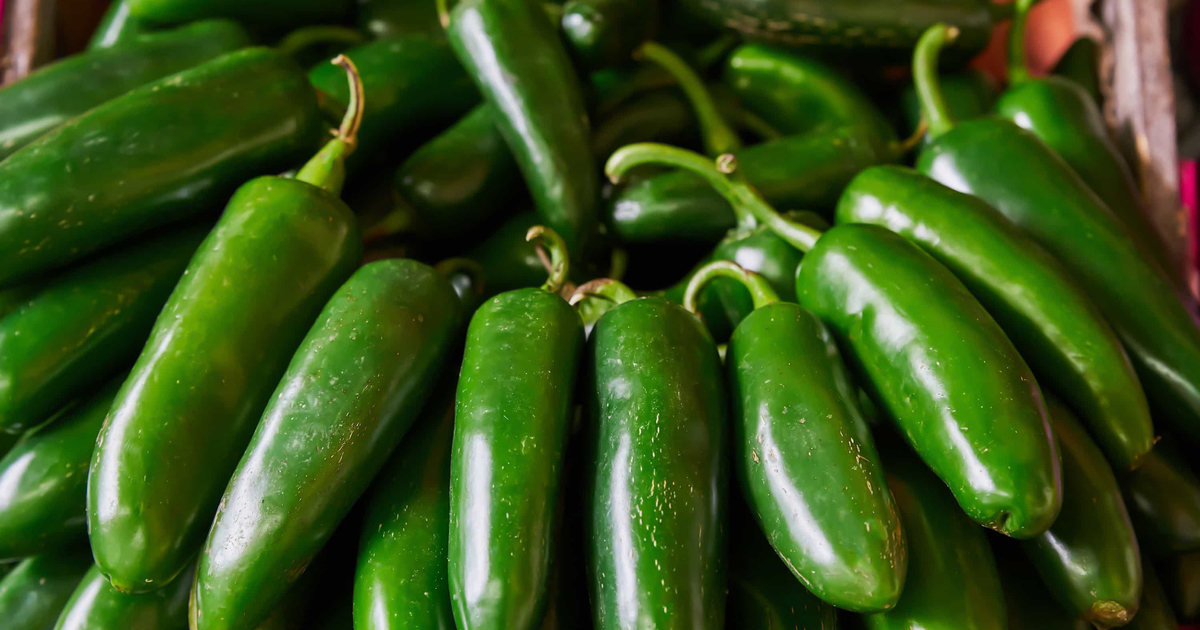
In a world increasingly seeking solace from the persistent thrum of chronic inflammation, a quiet, verdant jewel often overlooked in the cacophony of superfoods emerges as a potent ally: the humble jalapeño. For millennia, cultures across the Americas have harnessed its vibrant heat, not merely for culinary delight but for its profound medicinal properties. Today, modern science is peeling back the layers of this fiery fruit, confirming what ancient wisdom intuitively understood: sometimes, to quell a fire, you need a little fire of your own.
This is the story of the jalapeño, a journey from ancient gardens to cutting-edge laboratories, revealing how its seemingly paradoxical "heat" translates into a powerful anti-inflammatory and healing force. It’s a narrative woven with history, biochemistry, and the profound connection between the food we eat and the wellness we seek.
The Ancient Roots of the Flame: A Legacy of Healing
Our story begins in the heart of Mesoamerica, where chili peppers, including the ancestors of our modern jalapeño, were not just a staple of the diet but a cornerstone of indigenous medicine. For civilizations like the Aztecs and Mayans, the chili was a sacred plant, venerated for its ability to invigorate, cleanse, and heal. Long before the advent of microscopes and molecular biology, healers observed its effects: the tingling warmth on the skin, the rush of blood, the alleviation of aches and pains. They incorporated chilies into poultices for wounds, concocted tonics for digestive ailments, and brewed infusions to combat fevers.
The very word "jalapeño" itself whispers of its heritage, derived from Xalapa, the capital of Veracruz, Mexico, where it was traditionally cultivated. Its journey from a regional treasure to a global culinary icon began with the Columbian Exchange, spreading its fiery embrace across continents, influencing cuisines from India to Italy, and carrying its inherent healing potential with it. Yet, for centuries, its medicinal properties remained largely within the realm of folk wisdom, overshadowed by its culinary prowess. It took the relentless curiosity of science to truly unmask its power.
Unmasking the Heat: The Science of Capsaicin
To understand how a jalapeño fights inflammation, we must first understand its defining characteristic: its heat. This isn’t just a sensation; it’s a meticulously orchestrated biochemical reaction, primarily driven by a compound called capsaicin. Capsaicin is one of several capsaicinoids, a group of pungent alkaloids found exclusively in chili peppers. It is the chemical equivalent of a fire alarm, triggering a specific response in our bodies.
When capsaicin enters our mouth or touches our skin, it binds to and activates a protein receptor known as TRPV1 (transient receptor potential vanilloid-1). This receptor, often dubbed the "capsaicin receptor," is primarily responsible for detecting and regulating body temperature, as well as mediating the sensation of pain from noxious heat. When capsaicin binds to TRPV1, it essentially tricks the nerve cells into thinking they are being exposed to scalding temperatures, even though no actual heat is present. This is why we perceive the "burning" sensation.
Initially, this activation causes a rapid release of substance P, a neuropeptide associated with pain transmission. However, with repeated exposure or in higher concentrations, capsaicin can actually desensitize these TRPV1 receptors. This desensitization is key to its analgesic properties, as it temporarily reduces the ability of nerve cells to transmit pain signals, leading to a localized numbing effect. This mechanism is so potent that synthetic capsaicinoids are now used in topical creams to alleviate neuropathic pain, arthritis, and muscle soreness.
The intensity of this "fire" is measured on the Scoville Heat Unit (SHU) scale. While a bell pepper registers 0 SHU, and a habanero can soar past 100,000 SHU, the humble jalapeño typically falls in the range of 2,500 to 8,000 SHU. This moderate heat makes it accessible enough for regular consumption, allowing its healing properties to be enjoyed without overwhelming the palate.
The Double-Edged Sword: Understanding Inflammation
Before we delve deeper into how the jalapeño leverages its fiery arsenal, it’s crucial to understand its primary adversary: inflammation. Inflammation is not inherently bad; it is, in fact, a fundamental and vital protective response by the body’s immune system to injury, infection, or irritation. Think of it as your body’s rapid response team, rushing to the scene of an emergency.
Acute inflammation is a localized, short-term process characterized by redness, swelling, heat, pain, and sometimes loss of function. Its purpose is clear: to eliminate the initial cause of cell injury, clear out dead cells and tissues, and initiate tissue repair. A cut finger, a sprained ankle, or a common cold all trigger acute inflammatory responses that are crucial for healing.
The problem arises with chronic inflammation. This occurs when the inflammatory response persists for weeks, months, or even years, often due to an inability to eliminate the initial irritant, an autoimmune disorder, or lifestyle factors like poor diet, lack of exercise, chronic stress, and exposure to environmental toxins. Unlike its acute counterpart, chronic inflammation is often silent, insidious, and devastating.
At a cellular level, chronic inflammation involves a complex interplay of immune cells (macrophages, lymphocytes), signaling molecules (cytokines like TNF-α and IL-6, and prostaglandins), and the production of reactive oxygen species (free radicals). This prolonged cellular warfare leads to oxidative stress, where the production of free radicals overwhelms the body’s antioxidant defenses, causing damage to DNA, proteins, and cell membranes.
The consequences of chronic inflammation are far-reaching and profound. It is now recognized as a key driver, if not the root cause, of many debilitating and life-threatening diseases, including:
- Autoimmune diseases: Rheumatoid arthritis, lupus, inflammatory bowel disease (Crohn’s, ulcerative colitis).
- Cardiovascular disease: Atherosclerosis (hardening of the arteries), heart attack, stroke.
- Neurodegenerative diseases: Alzheimer’s disease, Parkinson’s disease.
- Metabolic disorders: Type 2 diabetes, obesity.
- Certain cancers: Chronic inflammation creates a microenvironment conducive to tumor growth and metastasis.
- Respiratory diseases: Asthma, COPD.
- Chronic pain syndromes: Fibromyalgia, back pain.
In essence, chronic inflammation is the smoldering embers of a fire that never fully goes out, slowly but relentlessly consuming the body’s health. This is where the jalapeño, with its unique "fire," steps in to offer a counter-strategy.
Jalapeño’s Arsenal Against Inflammation: A Symphony of Synergy
The jalapeño doesn’t merely provide a single bullet in the fight against inflammation; it offers a multi-faceted approach, leveraging capsaicin alongside a rich array of other bioactive compounds.


Post Comment