The Vitamin C Surprise: Why Jalapeños Are an Immune-Boosting Secret Weapon
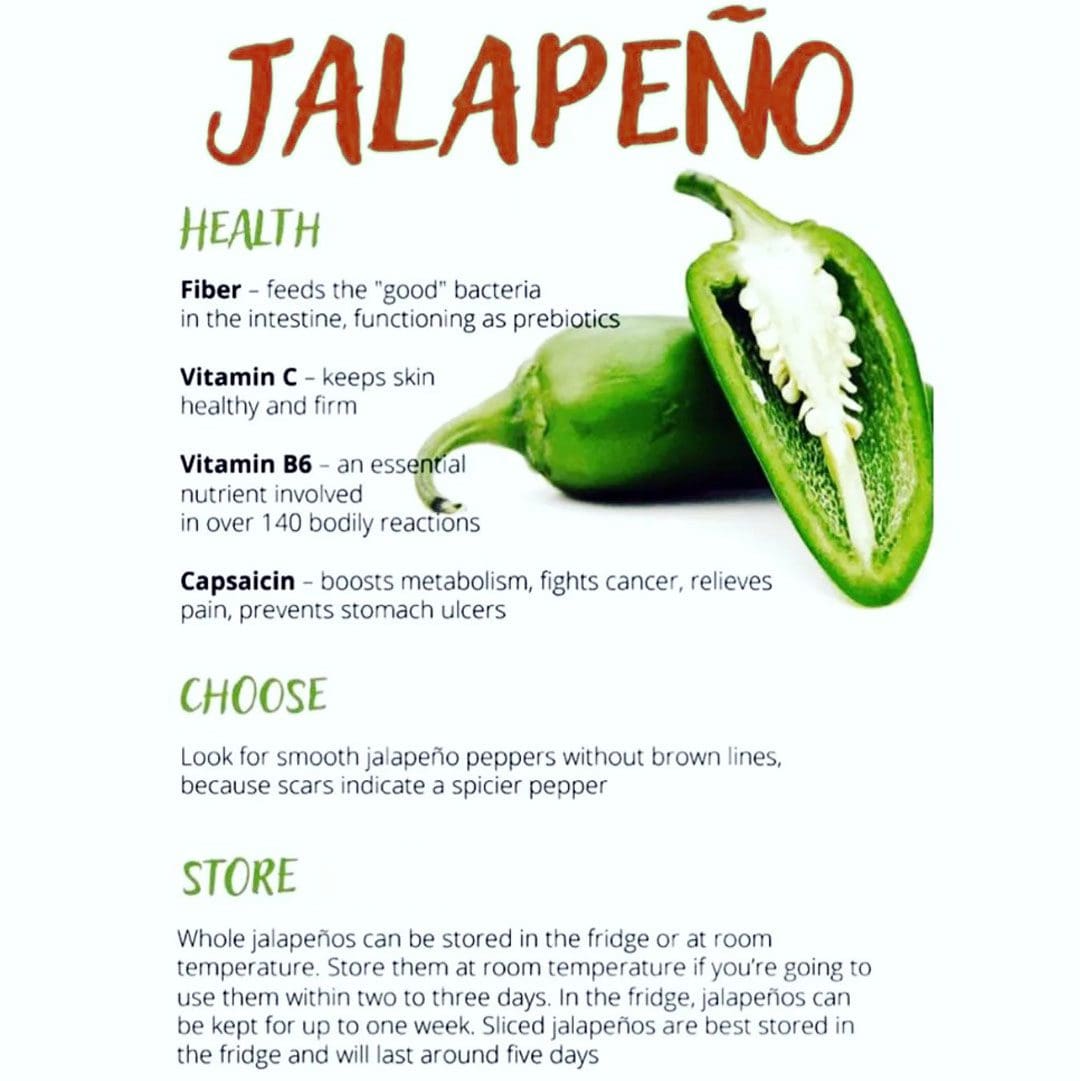
In the vibrant tapestry of culinary traditions and health-conscious living, certain foods have secured their place as undisputed champions of nutrition. Oranges, with their sunny disposition and zesty aroma, are practically synonymous with Vitamin C. Berries burst forth with antioxidants, their vibrant hues signaling a wealth of protective compounds. Yet, lurking in the shadows of these well-established nutritional giants, often relegated to the role of a mere flavor enhancer or a source of fiery challenge, lies an unassuming hero with a surprising secret: the humble jalapeño pepper.
For many, the mention of a jalapeño immediately conjures images of a palate-tingling kick, a daring addition to nachos, or the fiery heart of a spicy salsa. Its identity is inextricably linked to capsaicin, the compound responsible for its signature heat. This fiery reputation, however, has overshadowed a far more profound truth: the jalapeño is, in fact, an extraordinary powerhouse of immune-boosting nutrients, chief among them a remarkably high concentration of Vitamin C. This revelation is more than just a fun fact; it’s an invitation to reconsider how we view this versatile pepper and to unlock its potential as a secret weapon in our quest for robust health. This article will delve into the surprising nutritional profile of the jalapeño, unmasking its impressive Vitamin C content, exploring the multifaceted benefits of capsaicin, and uncovering the synergistic interplay of its diverse phytonutrients that collectively elevate it to the status of a genuine immune-boosting marvel.
The Vitamin C Revelation: Beyond Citrus and the Expected
When we think of Vitamin C, our minds instinctively drift to citrus fruits – oranges, lemons, grapefruits. Perhaps we’ll extend our thoughts to bell peppers, kiwis, or strawberries. These are, without doubt, excellent sources of this essential micronutrient. But here’s where the jalapeño delivers its first delightful surprise: it often rivals, and in some cases even surpasses, many of these perceived champions in its Vitamin C concentration. A single medium-sized jalapeño can contain a significant portion of the recommended daily intake of Vitamin C, sometimes upwards of 60-70% of the Daily Value, depending on its size and ripeness. To put this into perspective, while a medium orange might boast around 70mg, and a large red bell pepper over 150mg, a 100-gram serving of jalapeños can deliver a comparable punch, often exceeding 100mg of Vitamin C. This makes it an incredibly efficient and potent source, especially considering its low calorie count.
To truly appreciate the significance of this, we must first understand the pivotal role Vitamin C, or ascorbic acid, plays within the human body. It is an indispensable water-soluble vitamin, meaning our bodies cannot produce it and must obtain it regularly through diet. Its functions are vast and critical, touching upon almost every physiological system, but its starring role in immune function is arguably its most celebrated.
Firstly, Vitamin C is a potent antioxidant. In the constant battle against oxidative stress – the damage caused by free radicals generated through normal metabolic processes, environmental toxins, and stress – Vitamin C acts as a formidable defender. It neutralizes these unstable molecules, preventing them from harming cellular structures, DNA, and proteins. This protective action is crucial for maintaining cellular integrity, which is the foundational building block for a healthy immune system. Immune cells, in particular, are highly susceptible to oxidative damage, and Vitamin C helps shield them, allowing them to function optimally.
Beyond its antioxidant prowess, Vitamin C directly supports the various components of our intricate immune system. It plays a crucial role in enhancing the function of phagocytes, which are immune cells like macrophages and neutrophils that engulf and destroy pathogens. By bolstering their ability to migrate to infection sites and efficiently clear harmful invaders, Vitamin C effectively sharpens the first line of immune defense.
Furthermore, Vitamin C is vital for the proper development and function of lymphocytes, specifically T-cells and B-cells, which are central to adaptive immunity. T-cells are responsible for cell-mediated immunity, directly attacking infected cells, while B-cells produce antibodies that target specific pathogens. Vitamin C helps optimize their proliferation and differentiation, ensuring a robust and specific immune response when faced with new threats. It also modulates cytokine production, which are signaling molecules that regulate immune responses, helping to prevent an overzealous or underperforming immune reaction.
Its impact extends even to the physical barriers of our body. Vitamin C is a critical cofactor in collagen synthesis, the primary structural protein in skin, blood vessels, bones, and connective tissues. Healthy skin and mucous membranes form the body’s first physical barrier against pathogens. By ensuring the integrity of these barriers, Vitamin C provides an additional layer of protection against microbial invasion.
The cumulative effect of these actions is a demonstrably stronger and more resilient immune system. Studies have consistently shown that adequate Vitamin C intake can reduce the duration and severity of the common cold, and in individuals under extreme physical stress (like marathon runners), it can even halve the incidence of colds. For the knowledgeable audience, understanding these detailed mechanisms underscores why the jalapeño’s high Vitamin C content is not just a statistical curiosity but a significant health advantage. The surprise lies not just in the quantity, but in the fact that this spicy pepper delivers such a fundamental immune-boosting nutrient, often overshadowed by its more famous, less fiery counterparts.
Capsaicin: The Spicy Synergist – Beyond Just Heat
While Vitamin C is the unexpected star, it would be a disservice to discuss the jalapeño’s immune-boosting power without acknowledging its most famous constituent: capsaicin. This compound, and other related capsaicinoids, are what give chili peppers their characteristic heat. For centuries, capsaicin has been appreciated in traditional medicine for its various properties, and modern science is continually uncovering its profound physiological effects, many of which synergize beautifully with Vitamin C to bolster immune function.
Capsaicin’s interaction with the body is complex and fascinating. It primarily acts by binding to specific receptors called transient receptor potential vanilloid 1 (TRPV1) channels, which are expressed throughout the body, including nerve endings, epithelial cells, and even some immune cells. This binding triggers the sensation of heat and pain, but it also initiates a cascade of other effects that extend far beyond mere sensory perception.
One of capsaicin’s most well-researched benefits is its potent anti-inflammatory action. Chronic inflammation is a known precursor to numerous diseases, including autoimmune conditions and a weakened immune response. Capsaicin has been shown to inhibit the activation of nuclear factor-kappa B (NF-κB), a protein complex that controls the transcription of DNA, cytokine production, and cell survival, playing a key role in regulating the immune response to infection and inflammation. By modulating NF-κB, capsaicin can help temper excessive inflammatory responses, allowing the immune system to focus its resources more effectively. It also influences the production of substance P, a neuropeptide involved in pain transmission and inflammatory processes, further contributing to its anti-inflammatory profile.
Moreover, capsaicin itself exhibits antioxidant properties, though perhaps less potent than Vitamin C. This means it can contribute to the overall reduction of oxidative stress within the body, working in concert with Vitamin C. This dual-pronged antioxidant attack from the jalapeño’s key compounds creates a more robust defense against cellular damage, protecting immune cells and supporting their function.
The benefits of capsaicin extend into other areas that indirectly support immune health. It has been studied for its potential role in pain relief, by desensitizing nerve endings over time, which can contribute to overall well-being and reduce physiological stress that might otherwise compromise immunity. Emerging research also points to capsaicin’s potential influence on gut health. While more studies are needed, preliminary findings suggest that capsaicin may have antimicrobial properties and could play a role in modulating the gut microbiome. Given the profound connection between gut health and immune function – with the gut often referred to as the "second brain" of the immune system – any compound that positively influences this delicate ecosystem holds significant promise.
Furthermore, capsaicin is known for its thermogenic properties, meaning it can slightly increase metabolic rate and promote fat burning. While not a direct immune benefit, a healthy metabolism and body weight are intrinsically linked to a stronger immune system, reducing the burden of inflammation and metabolic dysfunction that can impair immune responses. The synergy between capsaicin and Vitamin C is not merely additive; it’s multiplicative. Imagine Vitamin C diligently protecting cells and bolstering immune cell function, while capsaicin simultaneously quells inflammation, provides additional antioxidant defense, and potentially supports a healthy gut environment. Together, they form a formidable team, elevating the jalapeño from a simple spicy condiment to a sophisticated immune-boosting agent.
A Spectrum of Phytonutrients: The Jalapeño’s Supporting Cast
While Vitamin C and capsaicin might be the lead actors in the jalapeño’s immune-boosting narrative, they are by no means the only players. The jalapeño is a veritable treasure trove of other vitamins, minerals, and phytonutrients, each contributing to its overall health-promoting profile and working in concert to enhance immune resilience. This supporting cast ensures that the jalapeño offers a holistic nutritional package that goes far beyond its fiery reputation.
Among the other notable vitamins, we find Vitamin A, primarily in the form of beta-carotene, a powerful antioxidant and precursor to true Vitamin A. Vitamin A is crucial for vision, but its role in immune health is equally vital. It supports the development and differentiation of various immune cells, including T-cells and B-cells, and helps maintain the integrity of mucosal barriers, such as those lining the respiratory and gastrointestinal tracts, which are critical first lines of defense against pathogens.
Vitamin B6 (pyridoxine) is another significant component, playing a key role in numerous enzymatic reactions within the body, including those involved in immune function. It is essential for the production of lymphocytes and antibodies, directly contributing to the body’s ability to mount an effective immune response. Folate (Vitamin B9) is also present, vital for DNA synthesis and repair, and thus critical for the rapid proliferation of immune cells during an infection.
The jalapeño also contains a respectable array of essential minerals. Potassium, an electrolyte, is crucial for maintaining fluid balance, nerve signals, and muscle contractions, all of which contribute to overall physiological function and indirectly support immune health. Magnesium, involved in over 300 enzymatic reactions, supports muscle and nerve function, blood glucose control, and blood pressure regulation. It also plays a role in DNA synthesis and repair, and has anti-inflammatory properties that can further bolster immune resilience.
Beyond these well-known vitamins and minerals, the jalapeño is rich in a diverse range of phenolic compounds and flavonoids. These are secondary plant metabolites renowned for their potent antioxidant and anti-inflammatory properties. Quercetin, luteolin, and apigenin are just a few examples of the flavonoids found in peppers. These compounds work through multiple mechanisms: they scavenge free radicals, chelate metal ions that can catalyze oxidative reactions, and modulate enzyme activities involved in inflammation. They can also enhance the activity of endogenous antioxidant enzymes within the body, providing an extra layer of cellular protection.
The synergistic effect of these compounds cannot be overstated. Flavonoids can enhance the absorption and activity of Vitamin C, while Vitamin C can regenerate other antioxidants, like Vitamin E (though not abundant in jalapeños, this illustrates the principle of antioxidant networks). Capsaicin, as discussed, brings its own anti-inflammatory and antioxidant properties to the table. This complex interplay creates a powerful biological matrix where the whole is greater than the sum of its parts. Each nutrient supports and amplifies the effects of the others, culminating in a robust and multifaceted defense system for the body.
Finally, the dietary fiber content of jalapeños, though not exceptionally high, contributes to gut health. Fiber acts as a prebiotic, feeding beneficial gut bacteria, which in turn produce short-chain fatty acids (SCFAs) that nourish the gut lining and exert anti-inflammatory effects. This brings us to another critical aspect of the jalapeño’s immune-boosting prowess: its contribution to the intricate gut-immune connection.
The Gut-Immune Connection: How Jalapeños May Play a Role
In recent decades, scientific understanding has profoundly shifted regarding the role of the gut in overall health, particularly its intimate connection with the immune system. The human gut is home to trillions of microorganisms – bacteria, viruses, fungi – collectively known as the gut microbiome. This vast and complex ecosystem is not merely involved in digestion; it is a critical modulator of immune function, metabolism, and even neurological health. The jalapeño, through its diverse nutritional profile, offers several pathways to positively influence this crucial gut-immune axis.
Firstly, the dietary fiber present in jalapeños, though modest compared to legumes or whole grains, still contributes to the overall fiber intake. Fiber acts as a prebiotic, serving as nourishment for beneficial gut bacteria. When these bacteria ferment dietary fiber, they produce beneficial compounds like short-chain fatty acids (SCFAs), such as butyrate, propionate, and acetate. Butyrate, in particular, is a primary energy source for the cells lining the colon, helping to maintain the integrity of the gut barrier. A strong, intact gut barrier is essential for preventing the leakage of toxins and undigested food particles into the bloodstream, a phenomenon known as "leaky gut," which can trigger systemic inflammation and overactivate the immune system.
Beyond fiber, the antimicrobial properties of capsaicin warrant further exploration in the context of gut health. While research is still evolving, some studies suggest that capsaicin may influence the composition of the gut microbiota. It could potentially inhibit the growth of certain pathogenic bacteria while promoting the proliferation of beneficial species. This selective modulation, if confirmed, could lead to a more balanced and diverse microbiome, which is strongly associated with a robust immune system. A healthy balance in the gut helps train immune cells, reduce inflammation, and produce essential vitamins.


Post Comment