Heart of the Matter: How Daily Garlic Consumption Impacts Blood Pressure and Cholesterol
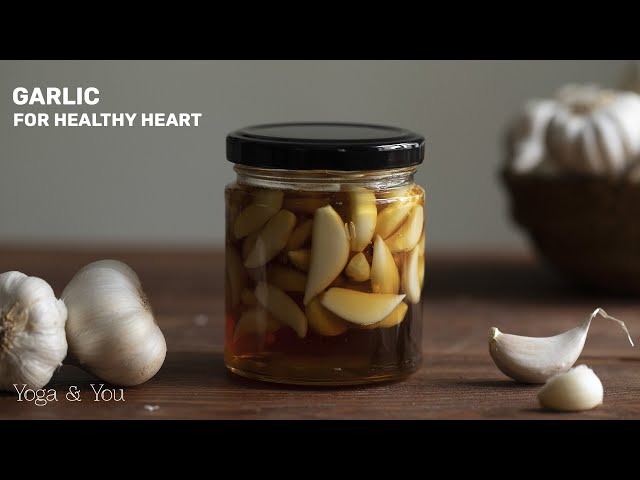
In the vast tapestry of human history, where civilizations rose and fell, where medicine was often indistinguishable from magic, and where sustenance was a daily struggle, one humble bulb has persistently woven itself into the fabric of our existence: Allium sativum, the common garlic. From the sun-baked banks of the Nile to the mist-shrouded peaks of the Himalayas, garlic has been revered not merely as a culinary cornerstone, but as a potent elixir, a shield against disease, and a silent guardian of health. For millennia, its pungent aroma and fiery taste have hinted at deeper secrets, secrets that modern science is only now fully unraveling, particularly concerning its profound impact on two critical pillars of cardiovascular health: blood pressure and cholesterol.
This is not merely an exposition of facts; it is a journey into the heart of garlic’s mystique, a narrative tracing its evolution from ancient folk remedy to a subject of rigorous scientific scrutiny. It is the story of how an unassuming plant, once thought to ward off vampires, might actually be warding off heart disease, silently working its magic within the intricate landscape of our cardiovascular system. For the knowledgeable mind, eager to delve beyond surface-level claims, this tale will explore the intricate biochemistry, the compelling clinical evidence, and the nuanced understanding that defines garlic’s role in contemporary health.
The Echoes of Antiquity: Garlic’s Storied Past
Our story begins not in the sterile labs of today, but in the bustling markets and sacred temples of ancient civilizations. Long before microscopes revealed its cellular secrets or chromatographs separated its chemical compounds, garlic was an indispensable component of daily life.
In ancient Egypt, garlic was more than just a seasoning; it was a revered medicinal agent. Hieroglyphics and papyri, such as the famous Codex Ebers dating back to 1550 BC, document its use for a plethora of ailments, from headaches and insect bites to intestinal parasites and fatigue. Indeed, it is said that the pyramid builders were fed copious amounts of garlic, not merely for sustenance, but for its purported ability to enhance strength and stamina, and to protect against infections that could decimate a workforce. Its prophylactic properties were so valued that it was often buried with pharaohs, ensuring their health even in the afterlife.
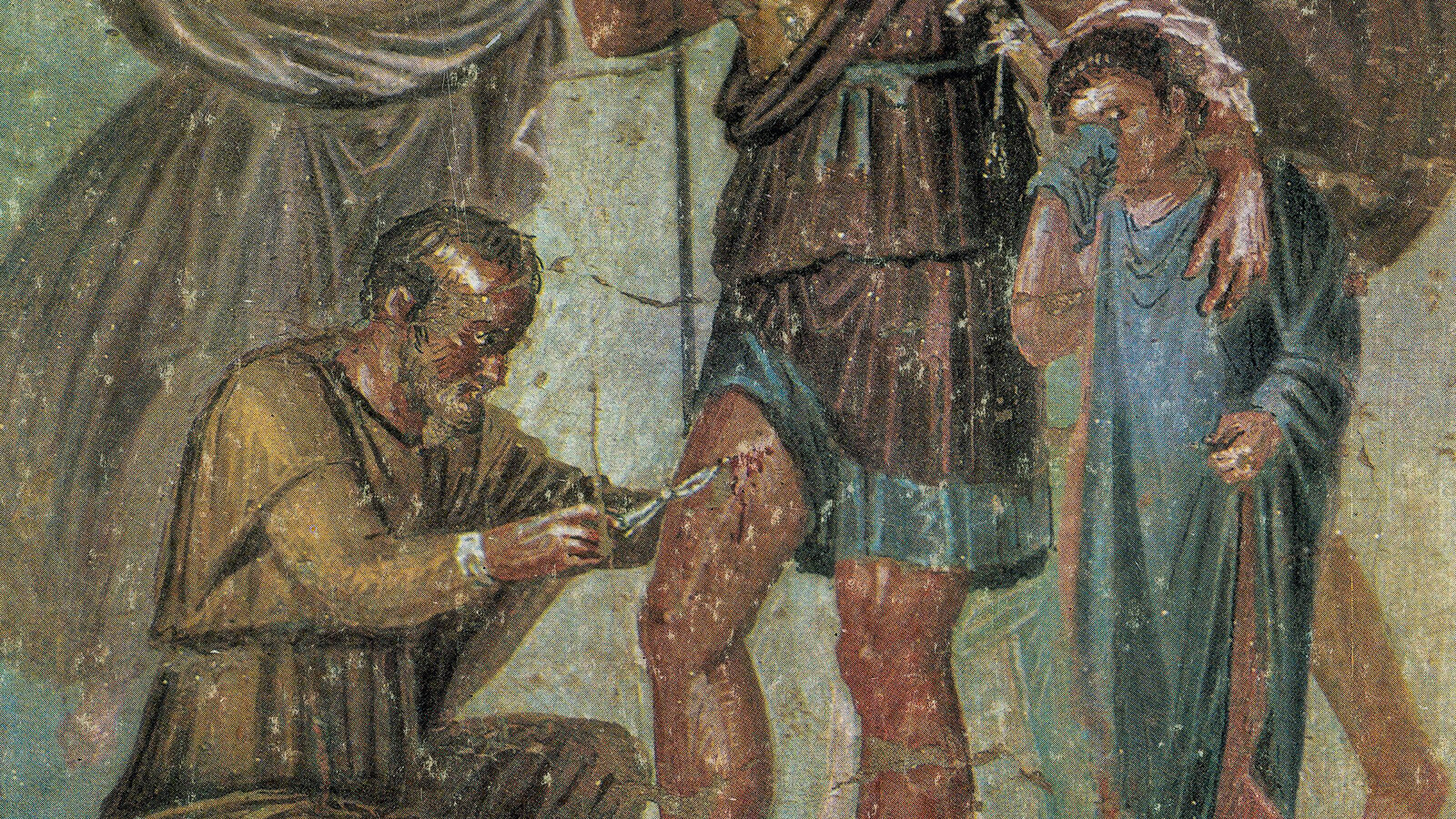
The Greeks, inheritors of much Egyptian wisdom, also embraced garlic with fervor. Hippocrates, the father of Western medicine, prescribed it for various conditions, including respiratory problems, digestive issues, and as a purgative. Athletes participating in the Olympic Games consumed it for enhanced performance, a testament to its perceived energizing qualities. Roman soldiers, known for their discipline and endurance, also relied on garlic to imbue them with courage and strength, consuming it before battles to fortify both body and spirit.
Further east, in the ancient Ayurvedic and traditional Chinese medicine systems, garlic held an equally prominent position. In India, it was used to treat arthritis, heart disease, and leprosy, recognized for its warming and stimulating properties. Chinese texts from as early as 2000 BC detail its use for digestion, respiratory conditions, and as a powerful detoxifier. Across these diverse cultures, a common thread emerged: garlic was a panacea, a gift from nature imbued with extraordinary healing powers.
Yet, for centuries, this reverence was based on empirical observation, anecdotal evidence, and a deep-seated trust in nature’s bounty. The how and why remained shrouded in mystery, until the dawn of modern chemistry and biology began to pry open the secrets held within its cloves.
The Alchemist’s Secret: Unveiling Garlic’s Chemical Symphony
The transition from ancient lore to scientific understanding began in earnest in the 20th century, as researchers, intrigued by garlic’s persistent reputation, sought to isolate and identify the compounds responsible for its effects. The breakthrough moment arrived with the discovery of alliin in 1944 by Chester J. Cavallito and John Hays Bailey. Alliin is a sulfur-containing amino acid derivative, stable and odorless, present in intact garlic cloves.
However, the magic truly happens when garlic is crushed, chopped, or chewed. This mechanical action ruptures the cell walls, bringing alliin into contact with an enzyme called alliinase, which is also present in the garlic bulb but kept separate until cellular disruption. The enzymatic reaction that ensues is rapid and transformative: alliin is converted into allicin, the compound largely responsible for garlic’s characteristic pungent odor and many of its potent biological activities.
Allicin itself is highly unstable and quickly breaks down into a myriad of other sulfur-containing compounds, including:
- Ajoene: Known for its anti-platelet and anti-thrombotic properties.
- Diallyl disulfide (DADS) and Diallyl trisulfide (DATS): These volatile compounds contribute to garlic’s aroma and possess anti-cancer, anti-inflammatory, and antimicrobial activities.
- S-allylcysteine (SAC) and S-allylmercaptocysteine (SAMC): These are particularly abundant in aged garlic extract (AGE), a stabilized form of garlic often used in research, and are highly bioavailable, possessing strong antioxidant properties.
This complex interplay of sulfur compounds forms a veritable chemical symphony, each component playing a role in the orchestra of garlic’s therapeutic actions. It is this intricate biochemistry, rather than a single "active ingredient," that underpins garlic’s diverse health benefits, particularly its remarkable influence on cardiovascular parameters.
Garlic and the Vascular Labyrinth: A Story of Blood Pressure Regulation
Hypertension, or high blood pressure, is often dubbed the "silent killer" because it frequently presents without symptoms but silently damages blood vessels and organs, leading to heart attack, stroke, kidney disease, and heart failure. It is a condition of global epidemic proportions, affecting billions worldwide. The story of garlic’s impact on blood pressure is one of subtle yet significant modulation, influencing several key physiological pathways.
The primary mechanism by which garlic, particularly its sulfur compounds, is believed to lower blood pressure involves the endothelium – the inner lining of blood vessels. Endothelial cells play a crucial role in regulating vascular tone by producing nitric oxide (NO), a potent vasodilator. NO relaxes the smooth muscle cells in the blood vessel walls, causing the vessels to widen and blood pressure to drop. Garlic compounds, especially S-allylcysteine (SAC) and S-allylmercaptocysteine (SAMC) from aged garlic extract, are thought to enhance the activity of endothelial nitric oxide synthase (eNOS), the enzyme responsible for NO production. They may also directly release hydrogen sulfide (H2S), another gasotransmitter with vasorelaxant properties, from red blood cells.
Furthermore, garlic may exert an effect similar to ACE inhibitors, a class of commonly prescribed antihypertensive drugs. The angiotensin-converting enzyme (ACE) plays a critical role in the renin-angiotensin-aldosterone system, which regulates blood pressure. By inhibiting ACE, garlic compounds might prevent the conversion of angiotensin I to angiotensin II (a potent vasoconstrictor), thus promoting vasodilation and reducing blood pressure. While not as potent as pharmaceutical ACE inhibitors, this mechanism contributes to garlic’s overall hypotensive effect.
Clinical studies on garlic and blood pressure have yielded compelling, though sometimes varied, results. Meta-analyses, which synthesize data from multiple randomized controlled trials, generally conclude that garlic supplementation can significantly reduce both systolic and diastolic blood pressure, particularly in individuals with pre-existing hypertension. The magnitude of reduction typically ranges from 5-10 mmHg for systolic and 3-8 mmHg for diastolic pressure, which, while seemingly modest, is clinically significant and comparable to the effects seen with lifestyle modifications like regular exercise or dietary changes.
It is important to note that the efficacy often depends on the type of garlic preparation used. Aged garlic extract (AGE), which contains standardized levels of stable, water-soluble sulfur compounds like SAC, has consistently shown more promising and reliable results in clinical trials compared to raw garlic or other preparations. This is due to its enhanced bioavailability and stability, bypassing the issues of allicin instability and gastrointestinal irritation.
For those navigating the complexities of blood pressure management, garlic emerges not as a replacement for conventional medical treatment, but as a powerful adjunct, a natural ally in the ongoing battle against hypertension. Its story in this realm is one of gentle persuasion, encouraging the body’s own systems to relax and regulate, paving a smoother path for the vital flow of life.
The Lipid Landscape: Garlic’s Dance with Cholesterol
The other major protagonist in our cardiovascular saga is cholesterol. While essential for building healthy cells, high levels of certain types of cholesterol—particularly low-density lipoprotein (LDL) cholesterol—can lead to atherosclerosis, the hardening and narrowing of arteries, a precursor to heart attack and stroke. The narrative of garlic’s influence on cholesterol is perhaps more nuanced and complex than its blood pressure story, yet equally significant.
Garlic’s primary mechanism for modulating cholesterol levels is believed to involve the inhibition of HMG-CoA reductase, a key enzyme in the liver responsible for the synthesis of cholesterol. This is the same enzyme targeted by statin drugs, the most widely prescribed cholesterol-lowering medications. While garlic’s inhibitory effect is considerably milder than that of statins, it contributes to a reduction in endogenous cholesterol production.
Beyond direct synthesis inhibition, garlic compounds may also influence cholesterol metabolism by:

Post Comment