Garlic and Longevity: Can This Ancient Bulb Add Years to Your Life?
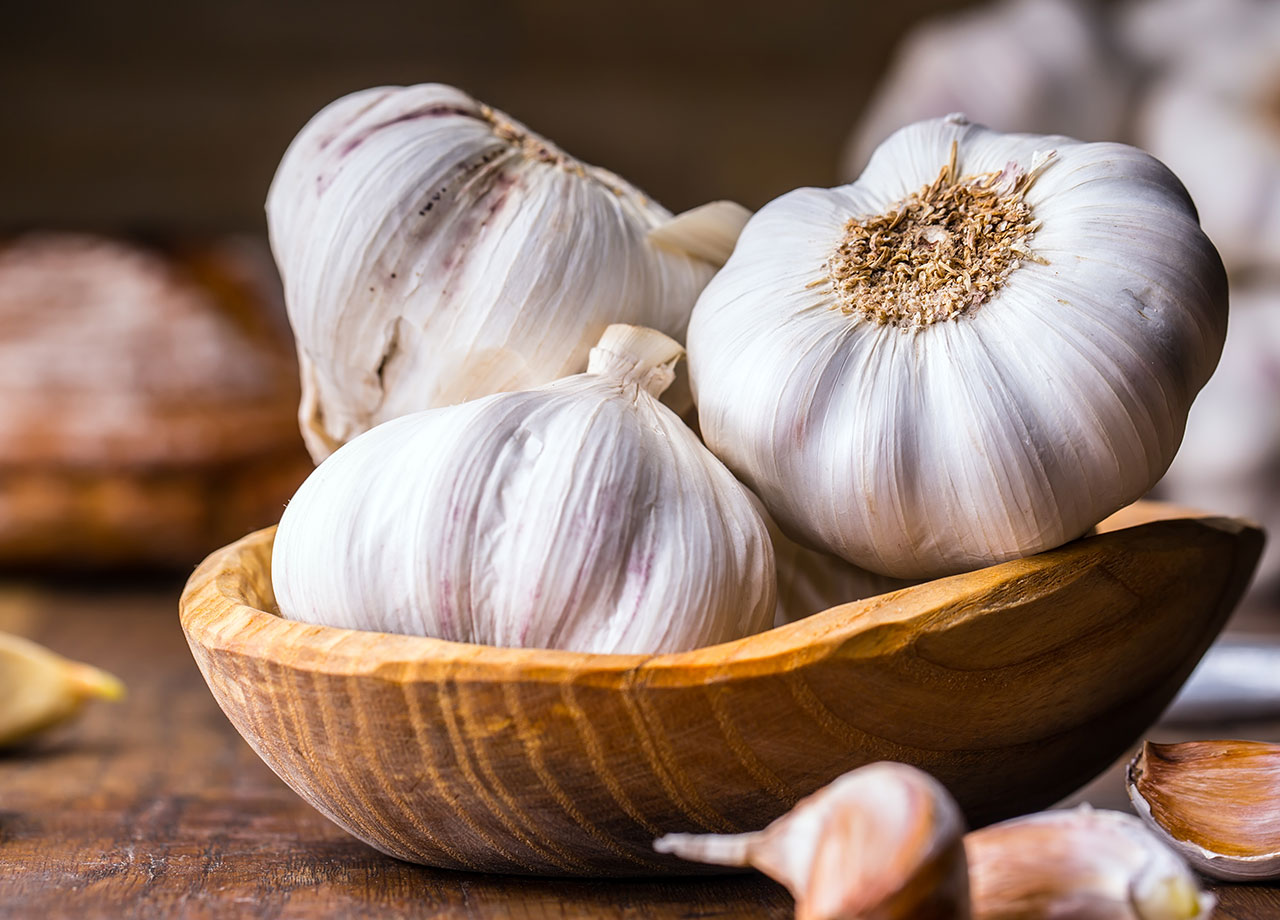
In the quiet corners of ancient kitchens and the bustling laboratories of modern science, a humble bulb has held a unique place for millennia. Its pungent aroma can clear a room, its distinctive flavor can elevate a dish, and its purported health benefits have been whispered through generations. This is garlic – Allium sativum – a culinary staple and a medicinal powerhouse. But beyond its undeniable impact on our taste buds and its historical role in folk medicine, a more profound question lingers: can this ancient bulb truly add years to your life? Can garlic, in its unassuming form, be a key to unlocking the secrets of longevity?
Our journey into the world of garlic and longevity is not merely a scientific dissection; it is a narrative woven through time, from the earliest human civilizations to the cutting edge of genomic research. It’s a story of observation, tradition, skepticism, and ultimately, a growing body of evidence that suggests our ancestors might have been onto something remarkable.
The Echoes of Antiquity: Garlic Through the Ages
To understand garlic’s potential for longevity, we must first appreciate its deep roots in human history. Its story begins not in a sterile lab, but in the fertile crescent, thousands of years ago. As far back as 3000 BCE, ancient Egyptians were not just cultivating garlic for sustenance but revering it for its medicinal properties. Hieroglyphs depict garlic offerings to the gods, and historical texts reveal its role in sustaining the strength and warding off illness among pyramid builders. It was believed to impart strength, prevent disease, and even ward off evil spirits – an early, albeit mystical, form of health preservation.
The Greeks, too, held garlic in high esteem. Hippocrates, the father of Western medicine, prescribed garlic for a variety of ailments, from respiratory problems to parasitic infections, and as a purgative. Roman soldiers consumed it to instill courage and vigor, believing it granted them protection on the battlefield – a testament to its perceived fortifying qualities. In traditional Chinese medicine, garlic has been a cornerstone for centuries, used to treat digestive issues, respiratory infections, and even as a remedy for fatigue, hinting at its adaptogenic potential. Ayurvedic medicine in India similarly championed garlic for its rejuvenating and anti-aging properties, viewing it as a rasayana – a substance that promotes health and extends life.
These ancient civilizations, separated by vast distances and cultural nuances, converged on a common understanding: garlic possessed an inherent power to promote health and vitality. While they lacked the tools to decipher its biochemical mechanisms, their collective empirical observations laid the groundwork for modern inquiry into its potential for longevity. They saw people who regularly consumed garlic as more robust, less prone to illness, and perhaps, living longer, healthier lives. This historical reverence provides a compelling backdrop for our modern scientific quest.
Unveiling the Alchemical Core: Garlic’s Biochemical Symphony
The transition from ancient reverence to modern scientific understanding begins with dissecting what garlic actually is. Beyond its pungent aroma, garlic is a complex chemical factory, brimming with compounds that interact in fascinating ways. The true magic, the "alchemical core" of garlic, lies predominantly in its sulfur-containing compounds.
The undisputed star of this show is alliin. When a fresh garlic clove is crushed, chopped, or chewed, a remarkable enzymatic reaction takes place. Alliin, an odorless amino acid derivative, comes into contact with an enzyme called alliinase, which is stored in separate compartments within the garlic cells. This encounter triggers a rapid transformation: alliin is converted into allicin.
Allicin is the compound responsible for garlic’s characteristic sharp odor and much of its immediate biological activity. However, allicin is highly unstable and quickly breaks down into a host of other organosulfur compounds, including:
- Ajoene: Known for its anti-clotting properties.
- Diallyl disulfide (DADS) and Diallyl trisulfide (DATS): These have been extensively studied for their anti-cancer and anti-inflammatory effects.
- S-allyl cysteine (SAC): A water-soluble compound found predominantly in aged garlic extract, noted for its stability and potent antioxidant activity.
It’s crucial to understand that the precise cocktail of these compounds, and thus garlic’s therapeutic potential, is highly dependent on how it’s prepared and consumed. Crushing and letting garlic sit for 5-10 minutes before cooking allows maximal allicin formation, which then yields these beneficial breakdown products. Cooking immediately can denature alliinase, reducing allicin formation.
Beyond these celebrated organosulfur compounds, garlic also contains a rich array of other bioactive substances:
- Flavonoids: Powerful antioxidants like quercetin and kaempferol.
- Selenium: An essential trace mineral involved in antioxidant defense and thyroid function.
- Vitamins: Including Vitamin C, Vitamin B6, and manganese.
- Enzymes: Involved in various metabolic processes.
This intricate biochemical symphony, rather than a single "magic bullet," is what endows garlic with its multifaceted health benefits. The cumulative and synergistic effects of these compounds are believed to contribute to its potential role in promoting longevity by targeting several key pathways associated with aging.
The Mechanisms of Immortality (or at least, Healthspan): How Garlic Works
The concept of longevity is not just about extending lifespan, but more importantly, extending healthspan – the period of life spent in good health, free from chronic disease and disability. Garlic’s potential contribution to longevity lies in its ability to positively influence several fundamental biological processes linked to aging.
A. The Cardiovascular Guardian: Protecting the Heart, The Engine of Life
Cardiovascular disease remains a leading cause of mortality worldwide, profoundly impacting healthspan. Garlic’s role as a cardiovascular guardian is one of its most well-established benefits, directly contributing to a longer, healthier life.

Post Comment