Garlic and Longevity: Can This Ancient Bulb Add Years to Your Life?
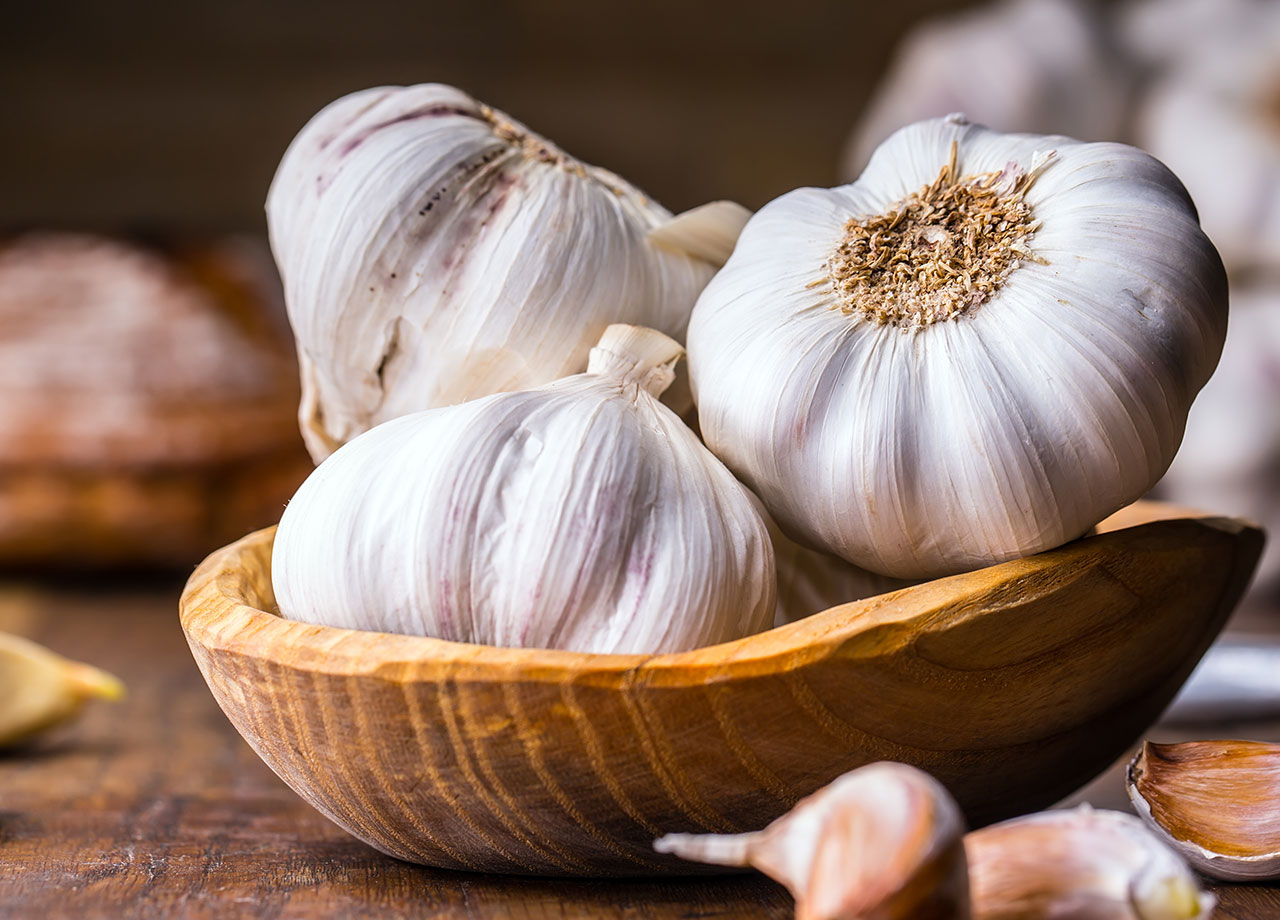
From the sun-drenched fields of Central Asia, across the fertile crescents of ancient civilizations, and into the modern kitchens and laboratories of today, one humble bulb has captivated humanity for millennia: garlic. Revered, reviled, feared, and celebrated, Allium sativum – the "stinking rose" – has been woven into the fabric of human culture not just as a culinary staple, but as a potent medicinal agent. Its pungent aroma and distinctive flavor are unmistakable, but beneath its papery skin lies a complex symphony of compounds that have been whispered to hold the key to health, vitality, and perhaps, even extended life.
In an age obsessed with anti-aging remedies, superfoods, and the pursuit of longevity, the question naturally arises: Can this ancient bulb, so deeply embedded in our history and cuisine, truly add years to our lives? Is garlic merely a flavorful additive, or does it possess the profound biological power to influence the very mechanisms of aging? To answer this, we must embark on a journey – a story spanning millennia, traversing continents, delving into the intricacies of human biology, and sifting through the evidence accumulated by modern science.
A Tapestry of Time: Garlic’s Ancient Roots in Health and Longevity
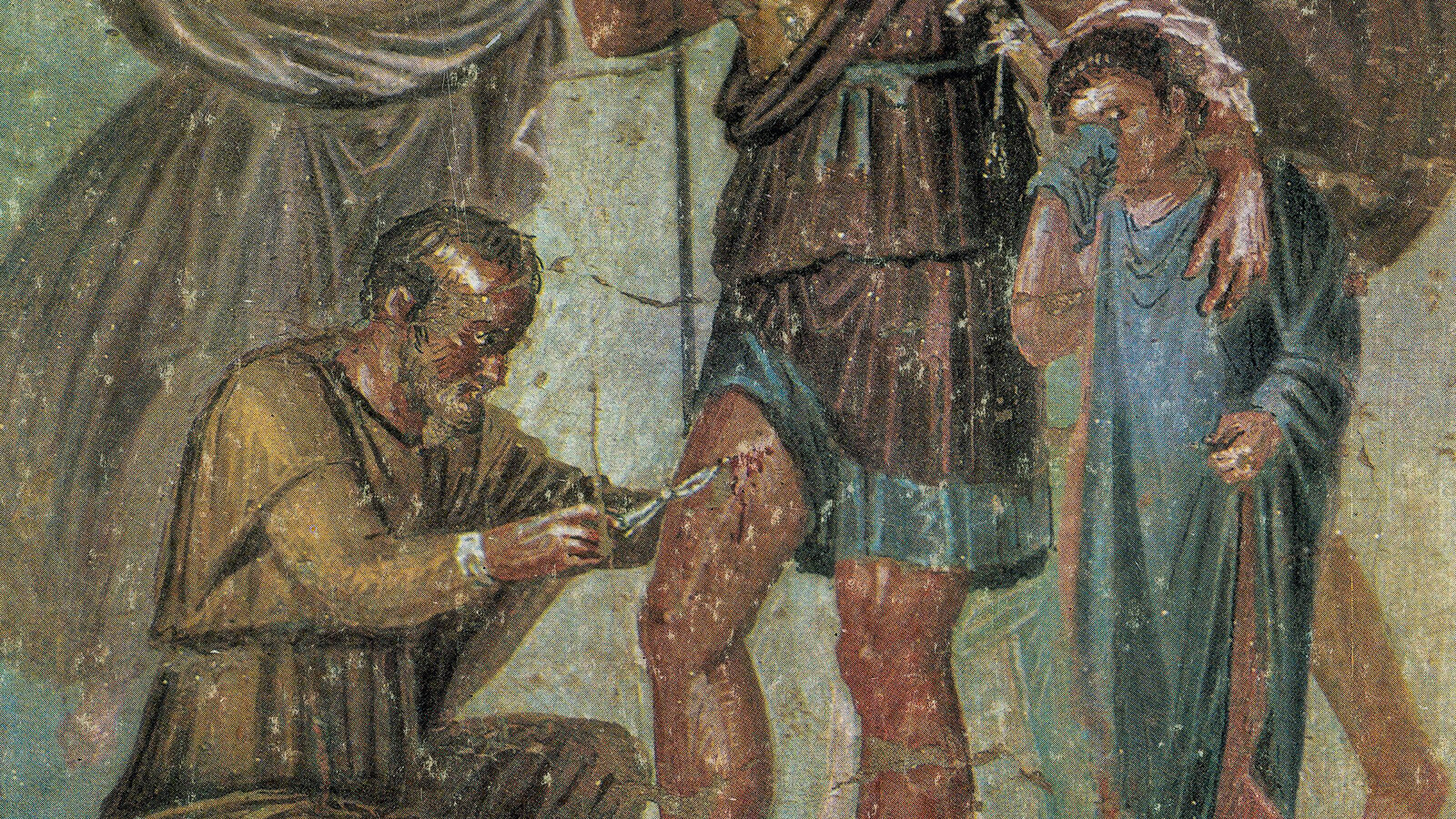
The story of garlic and longevity begins not in a test tube, but in the annals of history. Its origins trace back over 5,000 years, with evidence of its cultivation in ancient Egypt, where it was fed to pyramid builders to enhance strength and prevent illness. The Ebers Papyrus, one of the oldest surviving medical texts from ancient Egypt (circa 1550 BC), lists garlic as a remedy for a remarkable array of conditions, from heart problems to tumors, worms, and various infections.
The Greeks, too, recognized its power. Hippocrates, the "Father of Medicine," prescribed garlic for infections, digestive disorders, and fatigue. Roman soldiers consumed it for courage and strength before battle, and Pliny the Elder lauded its benefits for numerous ailments. In ancient China and India, garlic was a cornerstone of traditional medicine, used to treat respiratory problems, digestive issues, and as a potent detoxifier. Ayurvedic texts describe it as a rejuvenator and a tonic for increasing vitality and life force.
Across cultures and continents, a consistent theme emerges: garlic was not merely seen as a food, but as a shield against disease, a booster of physical prowess, and an elixir for maintaining vigor well into old age. This enduring historical reverence for garlic as a promoter of health and longevity wasn’t based on double-blind placebo-controlled trials, but on centuries of empirical observation – a testament to its perceived efficacy long before the advent of modern science.
The Alchemist’s Secret: Unpacking Garlic’s Bioactive Compounds
Modern science, with its sophisticated tools and analytical precision, has begun to unravel the mysteries behind garlic’s ancient reputation. The secret to its power lies in its complex chemistry, particularly its rich array of organosulfur compounds. Unlike many other plant-based medicines that rely on a single dominant compound, garlic’s efficacy appears to stem from a synergistic interplay of numerous bioactive molecules.
The magic begins when a raw garlic clove is crushed, chopped, or chewed. This mechanical action breaks open the plant cells, bringing together two key components: alliin (a sulfur-containing amino acid) and alliinase (an enzyme). This enzymatic reaction rapidly converts alliin into allicin, the compound largely responsible for garlic’s characteristic pungent odor and many of its immediate biological activities.
However, allicin is highly unstable and quickly breaks down into a cascade of other beneficial compounds, including:
- Diallyl disulfide (DADS): A potent anti-cancer and antimicrobial agent.
- Diallyl trisulfide (DATS): Similar to DADS, with strong anti-cancer and cardioprotective effects.
- Ajoene: An anti-thrombotic (blood clot preventing) compound formed when allicin reacts with fats.
- S-allyl cysteine (SAC) and S-allyl mercaptocysteine (SAMC): Water-soluble compounds found predominantly in aged garlic extract, known for their antioxidant and neuroprotective properties.
Each of these compounds, along with others like flavonoids and selenium, contributes to garlic’s multifaceted health benefits. The specific profile of these compounds can vary significantly depending on how the garlic is processed – whether it’s raw, cooked, fermented into black garlic, or extracted into supplements. Understanding this chemical complexity is crucial to appreciating how garlic might influence the intricate pathways of human longevity.
The Pillars of Longevity: How Garlic Intervenes
Aging is not a single process, but a complex interplay of cellular and molecular damage that accumulates over time. These "hallmarks of aging" include genomic instability, telomere attrition, epigenetic alterations, loss of proteostasis, deregulated nutrient sensing, mitochondrial dysfunction, cellular senescence, stem cell exhaustion, and altered intercellular communication, leading to chronic inflammation and oxidative stress. Garlic, remarkably, appears to exert influence over several of these fundamental aging pathways.
1. The Heart of the Matter: Cardiovascular Health
Cardiovascular disease remains a leading cause of mortality globally, and its prevention is central to extending healthy lifespan. Garlic’s impact on heart health is perhaps its most extensively researched and compelling contribution to longevity.
- Blood Pressure Regulation: Numerous studies have demonstrated garlic’s ability to lower blood pressure, particularly in individuals with hypertension. Allicin and its breakdown products, especially hydrogen sulfide (H2S) – which is generated from garlic compounds – play a critical role. H2S acts as a gasotransmitter, relaxing smooth muscle cells in blood vessels, leading to vasodilation and reduced blood pressure. This effect is comparable to some conventional medications, albeit typically milder. Maintaining healthy blood pressure significantly reduces the risk of strokes, heart attacks, and kidney disease, all of which compromise longevity.
- Cholesterol Management: While the evidence is somewhat mixed, several meta-analyses suggest that garlic, particularly aged garlic extract, can modestly reduce total cholesterol and LDL ("bad") cholesterol levels, especially in individuals with elevated cholesterol. The mechanisms involve inhibiting cholesterol synthesis in the liver and increasing its excretion. By contributing to a healthier lipid profile, garlic helps prevent atherosclerosis, the hardening and narrowing of arteries that underlies much of cardiovascular aging.
- Anti-platelet and Anti-coagulant Effects: Ajoene, along with other sulfur compounds, has potent anti-platelet aggregation properties, meaning it helps prevent blood clots from forming. This is crucial in preventing heart attacks and strokes, which are often triggered by clots blocking blood vessels. While beneficial, this effect also necessitates caution, particularly for individuals on blood-thinning medications or prior to surgery.
- Endothelial Function: The endothelium, the inner lining of blood vessels, plays a vital role in cardiovascular health. Garlic compounds can improve endothelial function by increasing nitric oxide (NO) bioavailability, which is a powerful vasodilator and anti-inflammatory molecule. Healthy endothelial function is a marker of vascular youth and resilience.
2. Quenching the Flames: Anti-inflammatory Properties
Chronic, low-grade inflammation, often termed "inflammaging," is a key driver of age-related diseases, from cardiovascular disease and neurodegeneration to cancer and metabolic disorders. Garlic is a powerful anti-inflammatory agent.

Post Comment