The Antioxidant Powerhouse: Can Curry Leaves Help Fight Oxidative Stress?
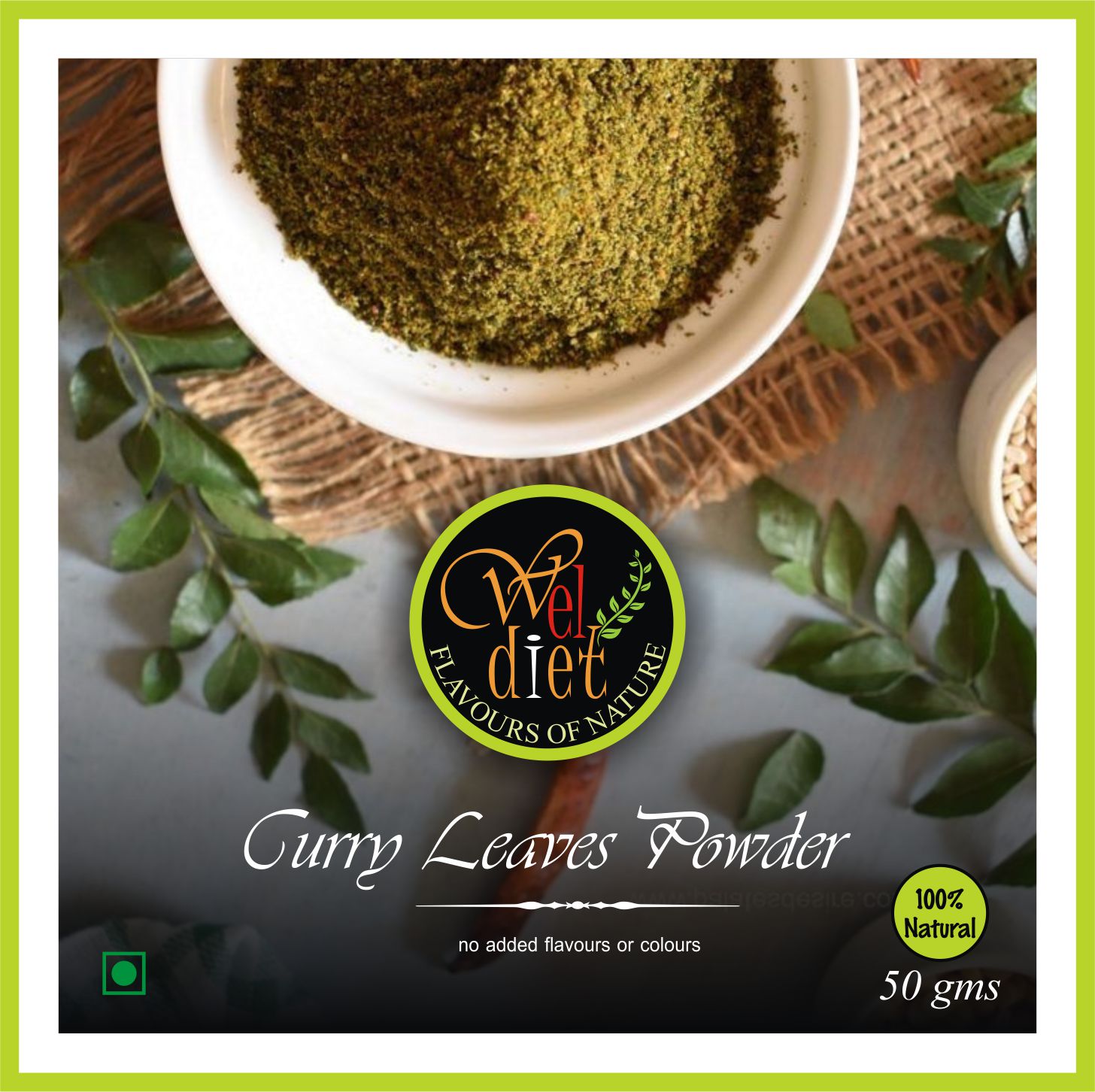
In the vibrant tapestry of global cuisines, some ingredients transcend mere flavor enhancers to become silent guardians of health. Among these, the humble curry leaf ( Murraya koenigii) often occupies a space of understated elegance. Its aromatic presence, a staple in South Indian, Sri Lankan, and Southeast Asian cooking, is instantly recognizable, lending an inimitable depth to curries, dals, and chutneys. Yet, beyond its culinary charm lies a profound secret: a potent arsenal of bioactive compounds poised to combat one of the most insidious threats to human health – oxidative stress.
This is the story of a leaf, often plucked and discarded after imparting its magic, now emerging from the shadows of traditional wisdom into the spotlight of modern scientific inquiry. It’s a narrative that delves into the intricate dance of molecules within our bodies, the constant battle against cellular damage, and the potential of nature’s bounty to tilt the scales in our favor. For the knowledgeable audience, this is an exploration not just of what curry leaves might do, but how they might achieve it, unraveling the complex mechanisms behind their purported antioxidant power.
The Unseen Enemy: Understanding Oxidative Stress
Before we delve into the heroic potential of curry leaves, it’s crucial to first understand the antagonist: oxidative stress. Imagine your body as a finely tuned machine, constantly performing billions of chemical reactions to sustain life. A byproduct of these reactions, particularly those involving oxygen, are highly reactive molecules known as free radicals or, more broadly, reactive oxygen species (ROS) and reactive nitrogen species (RNS).
These free radicals are atoms or groups of atoms with an unpaired electron, making them inherently unstable and eager to "steal" an electron from other stable molecules in their vicinity. This electron theft initiates a chain reaction, damaging vital cellular components such as DNA, proteins, and lipids (fats in cell membranes).
Under normal physiological conditions, our bodies maintain a delicate balance between the production of free radicals and their neutralization by an intricate system of antioxidants. These antioxidants act as molecular firefighters, donating an electron to free radicals without becoming unstable themselves, thus halting the destructive chain reaction. Our body produces its own endogenous antioxidants, such as superoxide dismutase (SOD), catalase (CAT), and glutathione peroxidase (GPx), but it also relies on exogenous antioxidants derived from our diet – primarily from plants.
Oxidative stress occurs when this delicate balance is tipped, with an excessive production of free radicals overwhelming the body’s antioxidant defenses. This imbalance can arise from a myriad of factors:
- Environmental Pollutants: Air pollution, pesticides, heavy metals.
- Lifestyle Choices: Smoking, excessive alcohol consumption, poor diet (high in processed foods, low in fruits and vegetables), chronic stress, lack of sleep.
- UV Radiation: From sun exposure.
- Inflammation: Chronic inflammatory responses can generate a continuous stream of free radicals.
- Metabolic Processes: Even normal cellular respiration generates ROS, which can become excessive under certain conditions.
The long-term consequences of unchecked oxidative stress are profound and far-reaching. It is implicated in the pathogenesis and progression of numerous chronic diseases, earning it the moniker of a "silent saboteur." These include:
- Cardiovascular Diseases: Atherosclerosis, hypertension.
- Neurodegenerative Disorders: Alzheimer’s disease, Parkinson’s disease.
- Cancers: DNA damage from free radicals can lead to mutations.
- Diabetes: Oxidative stress contributes to insulin resistance and pancreatic beta-cell damage.
- Inflammatory Conditions: Arthritis, autoimmune diseases.
- Accelerated Aging: Damage to cellular components contributes to the aging process.
Given the pervasive nature of oxidative stress and its devastating health implications, the search for potent, natural antioxidants remains a critical area of research. And this is where the story of the curry leaf truly begins to unfold.
The Curry Leaf: A Legacy of Wellness
Murraya koenigii, known commonly as curry leaf, is a tropical to sub-tropical tree in the family Rutaceae (the citrus family). Native to India, Sri Lanka, and other parts of South Asia, it has been revered in traditional medicine systems like Ayurveda and Siddha for centuries. Its leaves, bark, roots, and even berries have been utilized for a wide array of therapeutic purposes, often attributed to their "hot" or "pungent" qualities, aligning with traditional energetic principles.
In Ayurveda, curry leaves are known as "Kadi Patta" and are used to treat digestive ailments, diabetes, skin conditions, and even as a tonic for hair growth. This rich ethnobotanical history provides a compelling backdrop for modern scientific investigation, suggesting that traditional wisdom often holds clues to complex biochemical interactions.
From a culinary perspective, the leaf’s distinctive aroma comes alive when tempered in hot oil, releasing a complex bouquet of notes – citrusy, nutty, and slightly pungent – that forms the aromatic backbone of many South Asian dishes. But this aroma, and indeed the entire leaf, is a repository of hundreds of bioactive compounds, each playing a role in its potential health benefits.


Post Comment