Nature’s Strongest Antibiotic? Exploring Garlic’s Role in Immune Defense
Prologue: A Whisper from the Ancient Earth
Long before the gleaming laboratories of modern science, before the invention of penicillin, or even the germ theory of disease, humanity possessed an intuitive understanding of the natural world’s healing power. Tucked away in the unassuming bulb of a plant, a pungent secret lay dormant, waiting to be unearthed, crushed, and unleashed. This secret, held within the humble clove of garlic, has echoed through millennia, a testament to its enduring potency. It’s a story of ancient wisdom meeting modern skepticism, of folklore evolving into pharmacology, and of a simple kitchen staple aspiring to the title of "Nature’s Strongest Antibiotic."
To truly appreciate garlic’s profound role in immune defense, we must embark on a journey that transcends mere scientific observation. It’s a narrative woven into the fabric of human civilization, a compelling tale of survival, discovery, and a persistent belief in the power of the earth to heal. Our audience, knowledgeable and discerning, seeks not just facts, but the rich tapestry of context that lends meaning to the data. So, let us begin this odyssey, peeling back the papery layers of history and science to reveal the extraordinary truth about Allium sativum.
Part I: Echoes from Antiquity – A Legacy Forged in Time
The story of garlic is as old as civilization itself. Its origins are traced to Central Asia, but its migration across continents quickly cemented its place in diverse cultures, not just as a culinary delight, but as a potent medicinal force. The ancients didn’t have microscopes or petri dishes, yet they intuitively grasped garlic’s power.
The Pharaohs and Physicians of Egypt:
Imagine the bustling construction sites of the pyramids, where thousands toiled under the relentless sun. Records from ancient Egypt, particularly the Ebers Papyrus (dating back to 1550 BCE), reveal garlic was regularly administered to laborers to boost their strength, ward off disease, and prevent infections. It was believed to protect against parasites and promote vitality, essential for such monumental undertakings. Hieroglyphs depict garlic as a sacred offering to deities and a staple in their pharmacopeia, used for everything from headaches to tumors, and crucially, for its antiseptic qualities. It wasn’t just a folk remedy; it was integrated into the sophisticated medical practices of the time.
Greece: Athletes, Philosophers, and Healers:
The ancient Greeks, too, held garlic in high esteem. Athletes competing in the Olympic Games consumed it for enhanced performance and stamina, believing it to be a powerful stimulant and cleanser. Hippocrates, the "Father of Medicine," prescribed garlic for a wide array of conditions, including respiratory problems, digestive disorders, and as a purgative. Dioscorides, a Greek physician, pharmacologist, and botanist who served in the Roman army, meticulously documented garlic’s uses in his monumental work, "De Materia Medica," influencing Western medicine for over 1,500 years. He noted its effectiveness against intestinal worms, infections, and even bites from venomous creatures.
Rome: Soldiers, Citizens, and Culinary Delights:
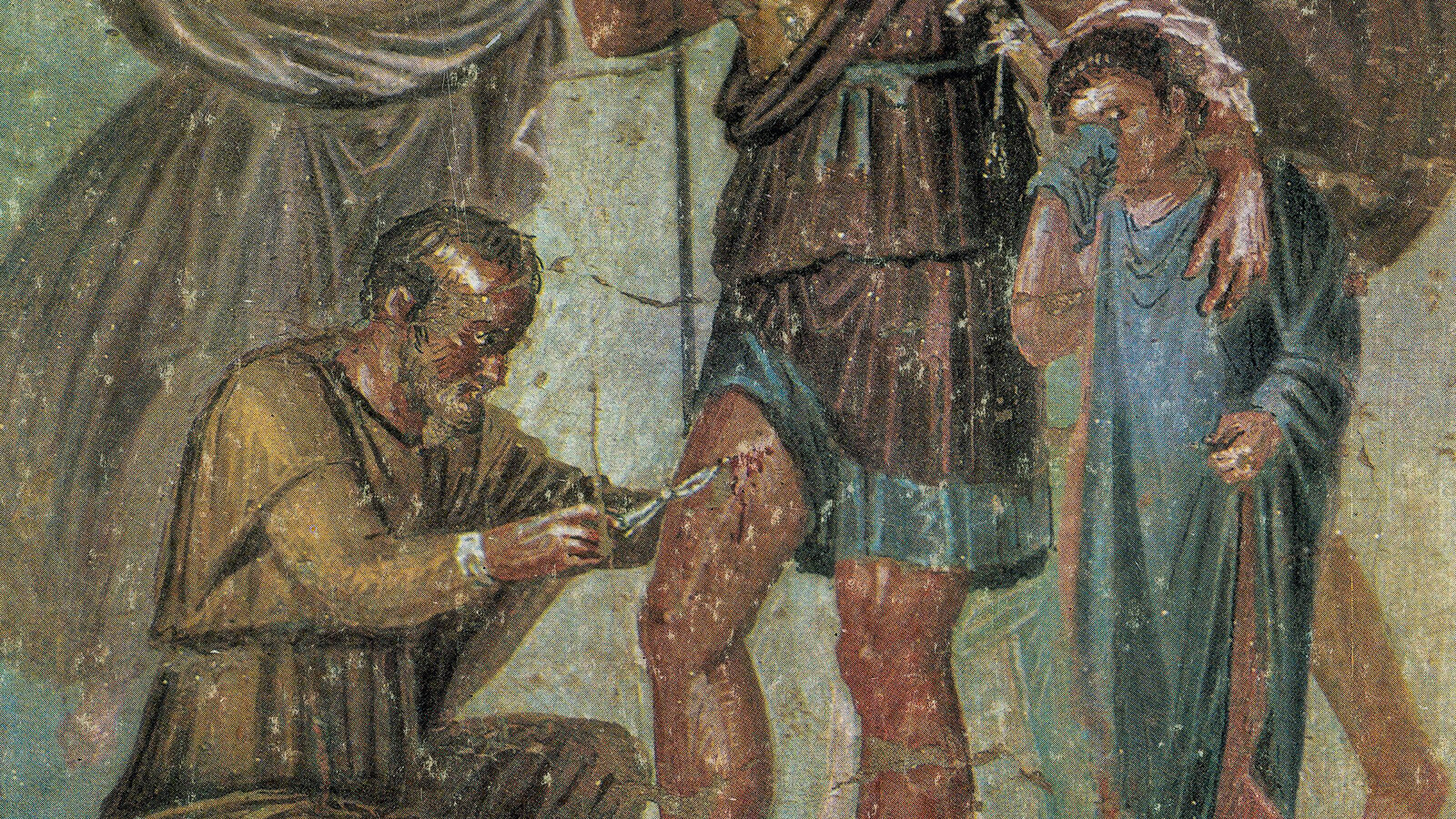
The Romans, practical and pragmatic, embraced garlic with equal fervor. Roman soldiers were given garlic rations before battle, believing it instilled courage and protected them from disease and infection in the harsh conditions of military campaigns. Pliny the Elder, in his "Natural History," listed 61 remedies involving garlic, highlighting its versatility. While it might have been disdained by the aristocratic elite for its pungent odor, its widespread use among the common people and its undisputed medicinal value ensured its omnipresence.
Beyond the Mediterranean: Asia and the Middle East:
In ancient India, Ayurvedic texts extolled garlic’s virtues for digestion, heart health, and as a potent aphrodisiac and rejuvenator. Traditional Chinese Medicine (TCM) incorporated garlic for its warming properties, using it to treat respiratory ailments, digestive issues, and to expel parasites. Across the Middle East, it was a fundamental ingredient in both cuisine and medicine, woven into remedies for fevers, coughs, and infections.
The Middle Ages and Beyond: A Shield Against Plagues:
As Europe plunged into the Dark Ages and later grappled with devastating plagues, garlic’s reputation as a protective agent soared. During outbreaks like the Black Death, people wore garlic around their necks, tucked it into their pockets, or consumed it voraciously, hoping to ward off the pestilence. While the scientific mechanism was unknown, the anecdotal evidence of its protective qualities persisted, cementing its role as a bulwark against unseen threats.
Even into the early 20th century, before the widespread availability of synthetic antibiotics, garlic served as an emergency antiseptic. During World War I, when medical supplies ran critically low, British doctors resorted to using garlic preparations to prevent gangrene in wounded soldiers, observing its remarkable ability to combat infections. This wasn’t mere superstition; it was a desperate, yet effective, measure that underscored its potent antimicrobial capabilities.
This ancient reverence for garlic wasn’t accidental. It was born from repeated observation and empirical evidence. Cultures across the globe, independently, arrived at the same conclusion: this humble bulb possessed extraordinary healing powers, particularly in defending the body against illness. The stage was set for modern science to unravel the mystery behind this timeless ally.
Part II: Unveiling the Allicin Mystery – The Science Beneath the Clove
The transition from folklore to pharmacology demanded a scientific explanation. What precisely gives garlic its power? The answer lies in its unique phytochemistry, a complex symphony of sulfur-containing compounds that spring to life when the clove is disturbed.
The Master Switch: Alliin and Alliinase:
The magic begins with a precursor compound called alliin, which is odorless and stable within the intact garlic clove. However, when garlic is crushed, chopped, or chewed, a cellular enzyme called alliinase (stored in separate compartments) is released. This encounter is the master switch. Alliinase rapidly converts alliin into allicin.
Allicin: The Fugitive Powerhouse:
Allicin is the superstar, the primary active compound responsible for garlic’s characteristic pungent odor and, more importantly, most of its potent biological activities. It’s a highly reactive, volatile thiosulfinate. The key to allicin’s potency lies in its sulfur-containing functional groups, which readily interact with proteins and enzymes in microbial cells, disrupting their vital functions.
However, allicin is also notoriously unstable. It quickly breaks down into a host of other organosulfur compounds, including:
- Ajoene: A potent anti-platelet agent, also showing antimicrobial and anticancer properties.
- Diallyl Disulfide (DADS): Possesses significant antimicrobial, anti-inflammatory, and anticancer effects.

Post Comment