The Antimicrobial and Anti-inflammatory Secrets of Thai Basil: A Journey from Kitchen to Cure
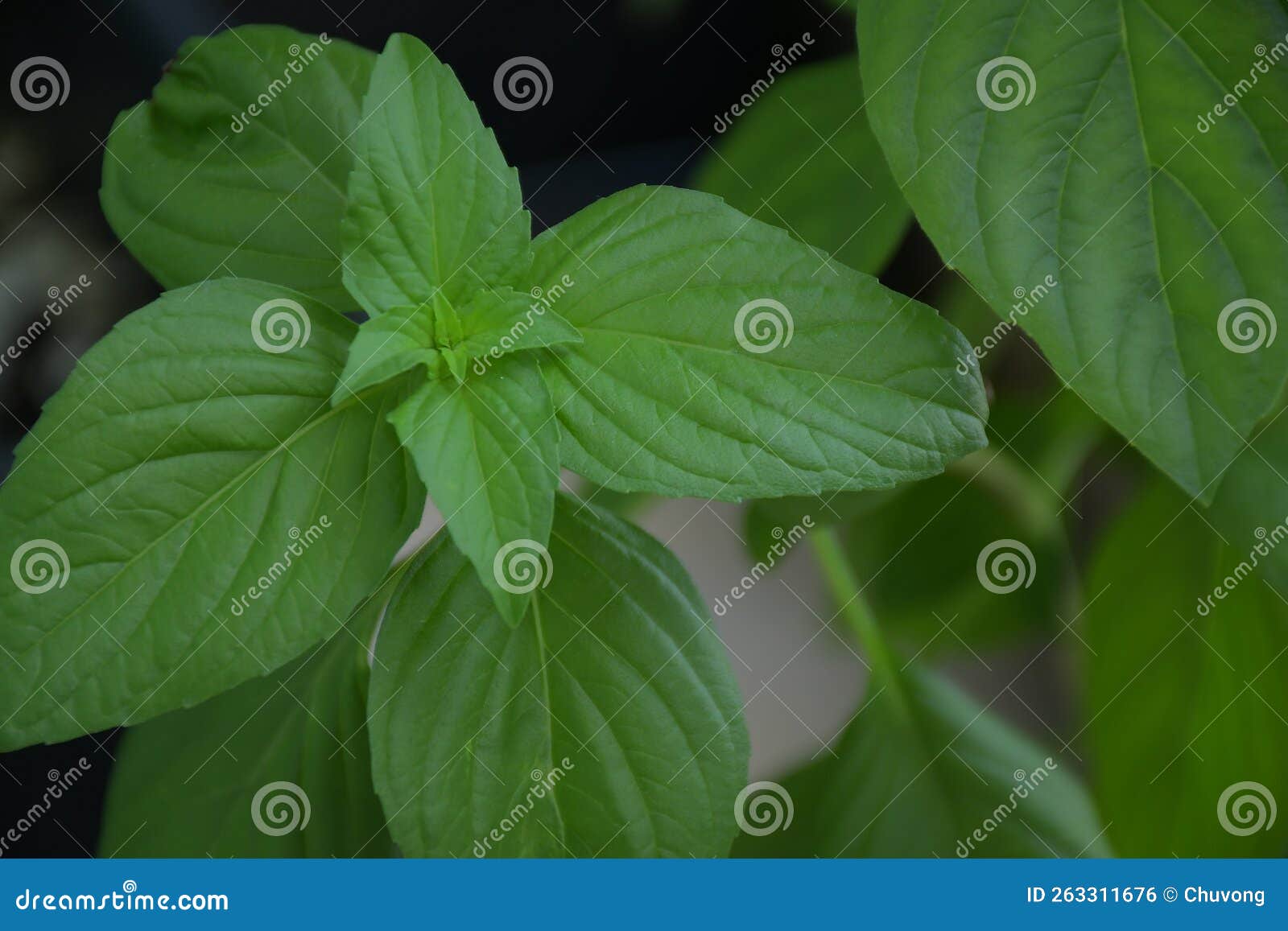
The air above a sizzling wok, thick with the intoxicating aroma of garlic, chilies, and soy, is suddenly pierced by a verdant, anise-like freshness. A handful of glistening, dark green leaves, with their distinctively serrated edges and often purple-tinged stems, are tossed in at the last moment. In that instant, the dish transforms, gaining a complex layer of flavor that is at once sweet, peppery, and subtly licorice-like. This is the magic of Thai basil, or Horapha as it’s known in Thailand – a culinary cornerstone, an aromatic delight, and, as modern science increasingly reveals, a profound natural pharmacy holding antimicrobial and anti-inflammatory secrets that have been intuitively understood for centuries.
Our journey into the heart of Thai basil’s mysteries begins not in a sterile laboratory, but in the bustling kitchens and ancient healing traditions of Southeast Asia. It is a story of discovery, an unfolding narrative that bridges the gap between traditional wisdom and cutting-edge research, revealing a plant far more potent and purposeful than its role as a mere flavor enhancer suggests.
The Culinary Canvas: A Taste of Tradition and Intuition
Before we delve into its molecular maestros, it’s essential to appreciate Thai basil in its most familiar context. Ocimum basilicum var. thyrsiflora, distinct from its cousins like sweet basil (Genovese) and holy basil (Tulsi), boasts a unique chemical profile that underpins its signature flavor. Its aroma is a complex tapestry woven from notes of anise, licorice, clove, and a whisper of peppery spice, making it indispensable in iconic dishes such as Pad Krapow (Thai Basil Stir-fry), Gaeng Keow Wan Gai (Green Curry), and the aromatic broths of Vietnamese Pho.
For generations, long before the advent of chromatography and spectroscopic analysis, the people of Southeast Asia intuitively understood that this herb offered more than just gastronomic pleasure. It was a digestive aid, a breath freshener, a comforting balm for minor ailments. Its inclusion in meals, especially those rich in diverse ingredients and spices, wasn’t just about taste; it was a subtle, unconscious act of self-medication, a testament to an ancestral knowledge passed down through the generations. This intuition forms the bedrock of our story – a starting point for scientific inquiry to validate and expand upon what grandmothers and healers have known for millennia.
Unveiling the Chemical Arsenal: The Molecular Maestros
The true "secrets" of Thai basil lie within its intricate biochemical composition, particularly its essential oil, a volatile symphony of compounds that interact synergistically to produce its remarkable effects. The plant is a veritable factory of phytocompounds, each playing a specific role in its defense mechanisms and, by extension, its therapeutic potential for humans.
1. Eugenol: The Clove-Scented Sentinel
Perhaps the most significant player in Thai basil’s medicinal arsenal is eugenol. This phenolic compound is easily recognizable by its warm, clove-like aroma, and it’s a dominant constituent in many Thai basil varieties. Eugenol is a well-studied compound with a formidable reputation in both the antimicrobial and anti-inflammatory realms.
-
Antimicrobial Action: Eugenol acts as a potent disruptor of microbial cell membranes. It can penetrate the lipid bilayer of bacterial and fungal cells, altering their permeability and leading to leakage of intracellular components. This structural damage compromises the cell’s integrity, inhibiting essential metabolic processes and ultimately leading to cell death. It has demonstrated efficacy against a broad spectrum of pathogens, including common foodborne bacteria like Escherichia coli and Salmonella, as well as various fungi and yeasts. For a plant used extensively in warm, humid climates, this inherent preservative quality is invaluable, subtly protecting both the plant itself and, when consumed, the human digestive system.
-
Anti-inflammatory Prowess: Eugenol is a potent modulator of inflammatory pathways. Its primary mechanism involves the inhibition of key enzymes in the arachidonic acid cascade: cyclooxygenase (COX-1 and COX-2) and lipoxygenase (LOX). These enzymes are responsible for the synthesis of prostaglandins and leukotrienes, respectively – potent inflammatory mediators that contribute to pain, swelling, and redness. By blocking their activity, eugenol effectively dampens the inflammatory response, much like non-steroidal anti-inflammatory drugs (NSAIDs), but often with a gentler, more holistic approach. Furthermore, eugenol can also suppress the production of pro-inflammatory cytokines, signaling molecules that orchestrate the inflammatory cascade, thereby exerting a comprehensive anti-inflammatory effect.
2. Methyl Chavicol (Estragole): The Anise Whisperer
Another prominent compound, often found in high concentrations in Thai basil, is methyl chavicol, also known as estragole. This compound is responsible for the characteristic anise or licorice notes that distinguish Thai basil from other varieties. While its primary role is often associated with flavor, estragole also contributes to the plant’s overall therapeutic profile.
-
Antimicrobial Contributions: Although less extensively studied for its antimicrobial effects than eugenol, estragole has shown some inhibitory activity against certain bacteria and fungi. Its presence contributes to the overall synergistic effect of the essential oil, where multiple compounds work in concert to enhance efficacy.
-
Anti-inflammatory Potential: Research suggests that estragole may also possess anti-inflammatory properties, though often through different pathways or in conjunction with other compounds. It can contribute to the modulation of immune responses and reduction of oxidative stress, both of which are intimately linked to inflammation. It’s important to note that while estragole has been a subject of some toxicological debate due to potential liver concerns at extremely high, isolated doses, its consumption within the context of whole food (Thai basil leaves) is generally considered safe and beneficial, where its effects are balanced by other protective compounds in the plant matrix.
3. Linalool: The Floral Calmer
The delicate, floral notes in Thai basil are largely attributed to linalool, a terpene also found in lavender and coriander. Linalool adds a layer of complexity to the plant’s aroma and contributes significantly to its therapeutic properties.


Post Comment