The Emerald Sentinel: How Ocimum basilicum var. thyrsiflora Wields its Chemistry Against Oxidative Stress
Prologue: The Whisper of Green
In the bustling theatre of life, where the mundane often overshadows the miraculous, few plants command the quiet reverence of sweet basil. Its very name, Ocimum basilicum, derives from the Greek "basileus," meaning king – a fitting appellation for a herb whose aromatic majesty has graced kitchens, medicin al chests, and spiritual rituals for millennia. But beyond its culinary dominion and fragrant allure, basil, particularly the robust and often overlooked variety thyrsiflora, harbors a secret far more profound: it is a chemical alchemist, a green sentinel poised against one of the most insidious threats to cellular well-being – oxidative stress.
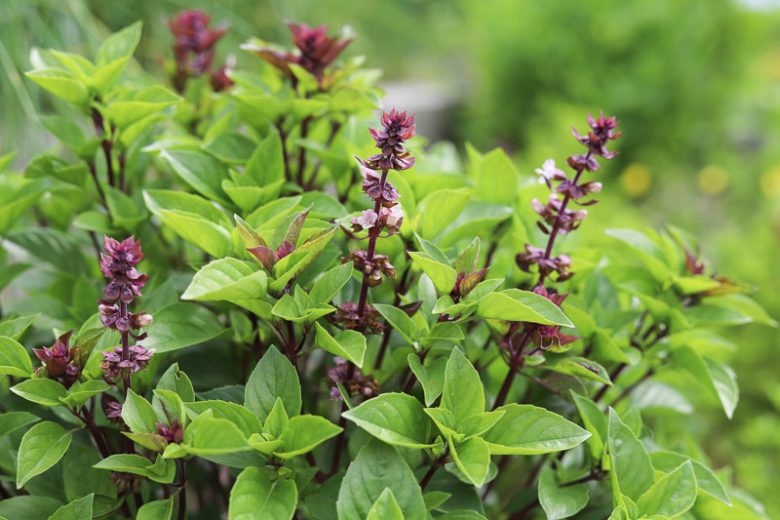
To truly appreciate the saga of Ocimum basilicum var. thyrsiflora, commonly known as Thai basil, cinnamon basil, or simply ‘licorice basil’ due to its distinct, slightly spicier and often more anise-like aroma compared to its Genovese cousin, we must first understand the adversary it confronts. This is not merely a tale of a fragrant leaf, but a narrative woven through the intricate tapestry of biochemistry, a testament to nature’s enduring capacity to protect and heal. Our journey will delve into the molecular battleground, revealing how this unassuming herb, through a symphony of phytochemicals, actively disarms the destructive forces of cellular oxidation, painting a vibrant story of resilience and biochemical ingenuity.
The Adversary Unveiled: The Insidious Threat of Oxidative Stress
Imagine a microscopic battlefield within every cell of your body, a constant skirmish where vital molecules are under assault. This is the realm of oxidative stress, a state arising from an imbalance between the production of reactive oxygen species (ROS) and reactive nitrogen species (RNS) – collectively known as free radicals – and the body’s ability to detoxify these harmful byproducts or repair the resulting damage.
Free radicals are molecules with one or more unpaired electrons, making them highly unstable and aggressively reactive. They are the chemical equivalent of a bull in a china shop, indiscriminately snatching electrons from stable molecules like DNA, proteins, and lipids, thereby initiating a chain reaction of cellular damage. Think of the browning of an apple, the rusting of iron, or the rancidity of old oil – these are macroscopic manifestations of oxidation, mirroring the silent destruction occurring at the cellular level.
The generation of free radicals is an unavoidable consequence of aerobic life. Our metabolic processes, particularly mitochondrial respiration, produce ROS as a byproduct. Environmental factors like pollution, UV radiation, smoking, certain medications, and even intense exercise can further exacerbate their production. While our bodies possess an intricate endogenous antioxidant defense system – enzymes like superoxide dismutase (SOD), catalase (CAT), and glutathione peroxidase (GPx), along with molecules like glutathione and uric acid – this system can become overwhelmed.
When the scales tip, and free radical production outstrips the body’s defensive capabilities, oxidative stress ensues. This leads to a cascade of cellular damage:
- DNA Damage: Free radicals can break DNA strands, modify bases, and induce cross-linking, leading to mutations that are implicated in aging, cancer, and neurodegenerative diseases.
- Lipid Peroxidation: The polyunsaturated fatty acids in cell membranes are particularly vulnerable. This process compromises membrane integrity, affecting cellular signaling and transport, and generating toxic byproducts like malondialdehyde (MDA).
- Protein Carbonylation: Proteins can be modified, leading to their aggregation, loss of function, and impaired enzyme activity. This is implicated in conditions like cataracts and Alzheimer’s disease.
The cumulative effect of this molecular mayhem is a significant contributor to the pathogenesis of a wide array of chronic diseases: cardiovascular disease (atherosclerosis), neurodegenerative disorders (Parkinson’s, Alzheimer’s), various cancers, diabetes, inflammatory conditions, and the very process of aging itself. It is against this formidable, microscopic adversary that our emerald sentinel, Ocimum basilicum var. thyrsiflora, steps onto the stage, armed with a remarkable chemical arsenal.
The Green Arsenal: Basil’s Phytochemical Roster
The power of Ocimum basilicum var. thyrsiflora to combat oxidative stress lies not in a single compound, but in a sophisticated symphony of bioactive molecules, each playing a crucial role in its overall antioxidant efficacy. This variety, with its often purplish stems and sometimes variegated leaves, typically boasts a distinct phytochemical profile that sets it apart, often characterized by higher concentrations of certain compounds that contribute to its unique flavor and therapeutic potential. Let us explore the key players in this green arsenal.
1. The Aromatic Vanguard: Essential Oils
The very essence of basil’s aroma and flavor resides in its essential oils, a complex mixture of volatile organic compounds. For O. basilicum var. thyrsiflora, the profile is particularly intriguing and often varies based on chemotype, but commonly features:
- Eugenol: This phenolic compound, also abundant in cloves and cinnamon, is a powerhouse of antioxidant and anti-inflammatory activity. It’s responsible for the slightly clove-like, peppery note in Thai basil. Eugenol’s structure, with its hydroxyl group, makes it an excellent electron donor, capable of directly scavenging free radicals and breaking chain reactions. Its ability to inhibit enzymes like cyclooxygenase (COX-2), involved in inflammation, further enhances its protective role.
- Methyl Chavicol (Estragole): While often found in lower concentrations in thyrsiflora compared to some other basil varieties, it contributes to the anise-like undertones. Although its antioxidant capacity is generally considered less potent than eugenol or linalool, it contributes to the overall matrix effect.
- Cinnamates (Methyl Cinnamate): This compound is particularly characteristic of thyrsiflora, lending it a distinct cinnamon-like aroma. Like eugenol, it possesses a phenolic structure that contributes to its radical-scavenging capabilities.
- Linalool: A common monoterpene alcohol found across many basil varieties, linalool offers a floral, slightly woody note. It exhibits direct antioxidant activity, often by stabilizing free radicals through electron donation.
- Other Terpenes: While in smaller amounts, compounds like geraniol, camphene, and limonene also contribute to the essential oil’s complex aroma and contribute to the synergistic antioxidant effect.
The essential oils are not merely about scent; they are the first line of defense, readily absorbed and quickly deployed in the cellular battle against oxidative damage.
2. The Pigmented Protectors: Flavonoids
Flavonoids are a vast class of polyphenolic compounds, often responsible for the vibrant colors of fruits and vegetables. In basil, especially varieties with purple stems or leaves, anthocyanins are prominent. However, other potent flavonoids are also present:


Post Comment