The Enduring Laurel: A Journey Through the Evidence-Based Health Benefits of Laurus nobilis
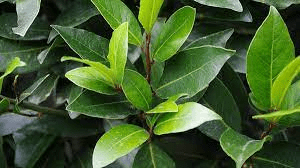
The scent of bay leaves, at once subtly woody, herbaceous, and slightly floral, is for many a comforting aroma, intrinsically linked to the warmth of a simmering stew or the complexity of a slow-cooked broth. Yet, long before it graced our culinary creations, Laurus nobilis – the true laurel or bay laurel – held a place of profound reverence, weaving its glossy, evergreen leaves into the very fabric of ancient civilizations. From the victorious wreaths of Apollo to the crowns of Roman emperors and Olympic champions, the laurel symbolized triumph, wisdom, and eternal life. It was a plant imbued with myth and magic, a silent observer of human ambition and achievement.
But beyond its rich symbolic legacy and indispensable role in gastronomy, there lies a deeper narrative, a story of scientific discovery validating centuries of traditional use. For millennia, various cultures have intuitively harnessed the therapeutic potential of Laurus nobilis, employing its leaves, berries, and bark in remedies ranging from digestive aids to anti-inflammatory poultices. Today, as the global scientific community increasingly turns its gaze towards ethnobotanical wisdom, a compelling body of evidence is emerging, transforming the humble bay leaf from a mere kitchen staple into a subject of significant pharmacological interest. This article embarks on a journey to unravel this scientific narrative, exploring the evidence-based health benefits of Laurus nobilis and revealing the sophisticated biochemical mechanisms that underpin its enduring power, telling the story of how ancient intuition meets modern validation.
A Tapestry of Time: The Historical Significance of Laurel
To truly appreciate the contemporary scientific inquiry into Laurus nobilis, one must first acknowledge its extraordinary historical footprint. The bay laurel is native to the Mediterranean region, a cradle of civilization where its virtues were recognized from time immemorial.
In ancient Greece, the laurel was sacred to Apollo, the god of healing, music, poetry, and prophecy. Pythia, the Oracle of Delphi, was said to chew bay leaves or inhale their fumes to induce prophetic trances. Laurel wreaths adorned the victors of the Pythian Games, foreshadowing their later adoption in the Olympic Games. Its association with healing was not merely symbolic; Greek physicians like Hippocrates and Dioscorides documented its use for various ailments, including digestive issues, respiratory conditions, and as an emmenagogue.
The Romans inherited much of their reverence for laurel from the Greeks, expanding its symbolic repertoire. It became a sign of military triumph, peace, and protection. Roman emperors and generals wore laurel wreaths, signifying their authority and invincibility. Pliny the Elder, in his monumental "Naturalis Historia," meticulously detailed its medicinal applications, recommending it for conditions such as epilepsy, venomous bites, and uterine disorders. He also noted its protective qualities, believing that laurel trees were immune to lightning strikes, making them symbols of safety.
Throughout the Middle Ages and into the Renaissance, Laurus nobilis continued to be a staple in European folk medicine. Herbalists and apothecaries prescribed it for fevers, plague, rheumatism, and as a diuretic. Its essential oil was particularly prized for its warming and stimulating properties, often massaged into aching joints or used in steam inhalations for colds and coughs. The term "baccalaureate" itself derives from "bacca laurea," Latin for "laurel berry," a nod to the ancient tradition of crowning scholars with laurel wreaths, signifying their achievement and wisdom.
This deep historical entrenchment in both cultural symbolism and practical medicine provides a powerful testament to the perceived efficacy of Laurus nobilis. It suggests that its utility extends far beyond mere folklore, hinting at a profound intrinsic value that modern science is now meticulously dissecting and validating.
Unveiling the Phytochemical Arsenal: The "Why" Behind the Benefits
The journey from ancient folk remedy to evidence-based therapeutic agent begins with understanding the complex chemical makeup of Laurus nobilis. Like many medicinal plants, its power lies not in a single compound but in a synergistic blend of diverse phytochemicals, each contributing to its overall pharmacological profile. Scientists have painstakingly identified hundreds of compounds within the leaves, berries, and essential oil, revealing a rich biochemical tapestry.
1. Essential Oils: The most prominent and perhaps best-studied component of bay laurel is its essential oil, which can constitute 1-3% of the dry leaf weight. The composition of this oil varies depending on geographical origin, harvest time, and processing methods, but several key constituents are consistently found:
- 1,8-Cineole (Eucalyptol): Often the most abundant compound (up to 50% or more), 1,8-cineole is responsible for the characteristic camphoraceous, fresh aroma. It is renowned for its anti-inflammatory, analgesic, mucolytic, and antimicrobial properties.
- Eugenol: A phenolic compound also found in cloves, eugenol contributes to the warm, spicy notes and possesses significant antioxidant, anti-inflammatory, and antimicrobial activities.
- Alpha-Pinene and Beta-Pinene: These monoterpenes are common in conifers and contribute woody, piney notes. They exhibit anti-inflammatory, bronchodilatory, and antimicrobial effects.
- Linalool: A terpene alcohol with a floral, slightly spicy aroma, linalool is recognized for its anxiolytic, sedative, and antimicrobial properties.
- Sabinene: This monoterpene gives a peppery, spicy note and has demonstrated antioxidant and anti-inflammatory activities.
2. Flavonoids: These potent plant pigments are well-known for their antioxidant and anti-inflammatory properties. Laurus nobilis contains various flavonoids, including:
- Quercetin: A widely studied flavonoid with powerful antioxidant, anti-inflammatory, antihistamine, and potential anticancer effects.
- Kaempferol: Another robust antioxidant and anti-inflammatory flavonoid, also showing promise in anticancer research.
- Myricetin: A flavonoid with strong antioxidant and anti-inflammatory properties, also studied for its potential in diabetes management.
3. Phenolic Acids: These compounds are derivatives of benzoic and cinnamic acids and are significant contributors to the plant’s antioxidant capacity.
- Caffeic Acid: A potent antioxidant with anti-inflammatory, immunomodulatory, and hepatoprotective properties.
- Gallic Acid: Known for its antioxidant, anti-inflammatory, and antimicrobial activities, also studied for its potential anticancer effects.

Post Comment