Stronger for Longer: The Surprising Benefits of Pelvic Strength Training
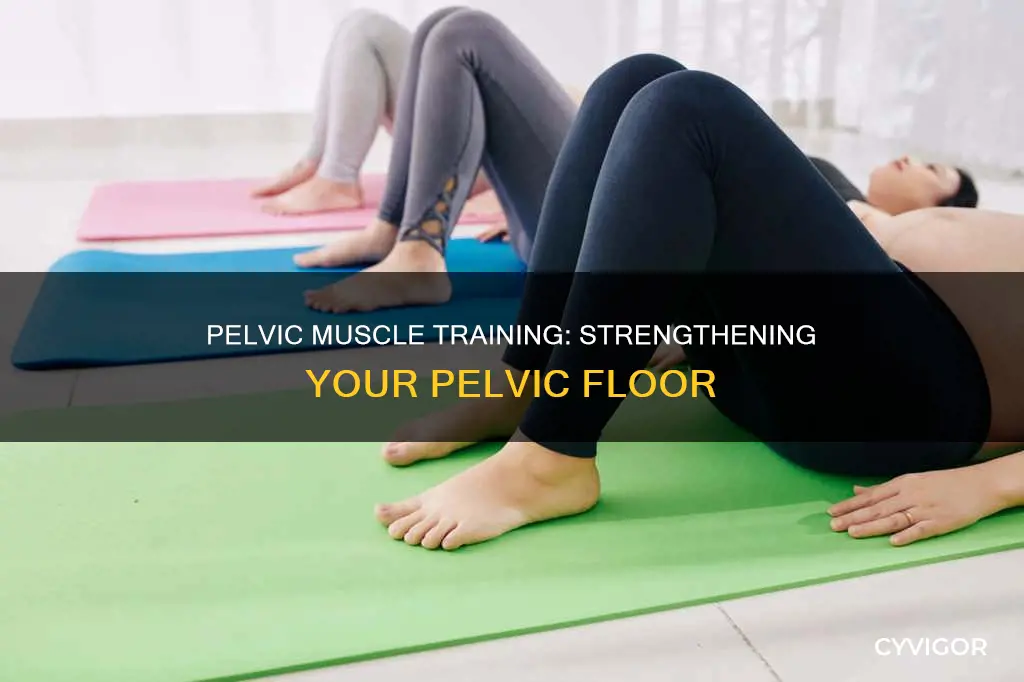
We live in a world obsessed with strength. We lift weights, run marathons, practice yoga, all in pursuit of stronger biceps, quads, and a more resilient heart. Yet, tucked away at the very base of our core, lies a group of muscles often overlooked, frequently misunderstood, and almost universally undervalued: the pelvic floor. It’s the unsung hero, the silent foundation, and arguably one of the most crucial muscle groups for a truly "Stronger for Longer" life.
For too long, conversations about pelvic health have been relegated to hushed whispers in doctor’s offices, often framed solely around postpartum recovery or the indignities of aging-related incontinence. But what if I told you that strengthening your pelvic floor is not just about avoiding leaks or bouncing back after childbirth? What if this intricate network of muscles holds the key to unlocking enhanced athletic performance, deeper intimacy, reduced chronic pain, and a profound sense of physical and psychological well-being that can transform your life at any age?
This isn’t just a clinical discourse; it’s an invitation to rewrite your personal narrative of health and aging. It’s a story about reclaiming control, rediscovering vitality, and understanding that true strength begins at the core – literally.
Unveiling the Unsung Hero: What is the Pelvic Floor?
Imagine a trampoline, or perhaps a muscular hammock, stretched across the bottom of your pelvis. This is your pelvic floor. Composed of layers of muscles, ligaments, and connective tissues, it extends from your pubic bone at the front to your tailbone at the back, and from one sit bone to the other. Far from being a monolithic slab, it’s a dynamic, intricate system designed for a multitude of vital functions.
At its simplest, the pelvic floor has four primary jobs, working tirelessly, often without a moment’s conscious thought:
- Support: It acts as a sling, holding up your pelvic organs – the bladder, bowel, and, for women, the uterus – preventing them from prolapsing or descending out of place. Think of it as the bedrock upon which your internal organs rest.
- Continence: These muscles wrap around the urethra and rectum, forming sphincters that allow you to control the release of urine and feces. They are your gatekeepers, ensuring you can hold it when you need to, and release it when appropriate.
- Sexual Function: For women, a healthy pelvic floor contributes to sensation, arousal, and the intensity of orgasm. For men, it plays a critical role in erectile function and ejaculatory control. It’s intimately connected to the mechanics and pleasure of intimacy.
- Core Stability: The pelvic floor is a fundamental component of your "deep core," working in synergistic harmony with your transverse abdominis (the deepest abdominal muscle), multifidus (deep back muscles), and diaphragm (breathing muscle). Together, these form a pressurized cylinder that stabilizes your spine and pelvis, crucial for all movement and posture.
It’s a remarkable piece of engineering, continuously working, contracting, and relaxing throughout the day. It helps you stand tall, lift objects, laugh without fear, and experience the full spectrum of physical life. Yet, for many, its existence remains a mystery until something goes wrong.
The Silent Erosion: When the Pelvic Floor Weakens (and Why We Ignore It)
The story of the pelvic floor often begins with silence. We rarely talk about it, let alone actively train it, until symptoms manifest. And when they do, they’re frequently dismissed as "normal" parts of aging, motherhood, or simply "being a woman." This societal silence is perhaps the greatest disservice we do to ourselves.
Various factors can contribute to the weakening or dysfunction of this vital muscle group:
- Childbirth: Both vaginal delivery (especially with tearing or episiotomy) and C-sections can impact the pelvic floor muscles and nerves. The strain, stretching, and potential trauma are significant.
- Age: Like all muscles, the pelvic floor can lose strength and elasticity over time due to hormonal changes (e.g., menopause) and general muscle atrophy.
- Chronic Straining: Persistent coughing (allergies, asthma, smoking), heavy lifting, or chronic constipation can exert downward pressure on the pelvic floor, leading to weakness or damage.
- Obesity: Excess weight places additional strain on the pelvic floor, increasing the risk of dysfunction.
- High-Impact Activities: Repetitive jarring from running, jumping, or intense weightlifting can stress the pelvic floor if it’s not adequately supported.
- Surgery: Procedures like prostatectomy in men or hysterectomy in women can directly or indirectly affect pelvic floor integrity.
- Lack of Awareness/Exercise: Simply put, if you don’t use it, you lose it. Without conscious engagement and training, these muscles can weaken over time.
When the pelvic floor falters, the symptoms can range from inconvenient to debilitating, impacting quality of life in profound ways:
- Urinary Incontinence: The involuntary leakage of urine. This can be "stress incontinence" (leaking with coughs, sneezes, laughs, jumps) or "urge incontinence" (a sudden, strong need to urinate followed by leakage).
- Fecal Incontinence: Difficulty controlling bowel movements or gas.




Post Comment