Brown Rice Without the Boredom: 5 Ways to Make Whole Grains Taste Incredible
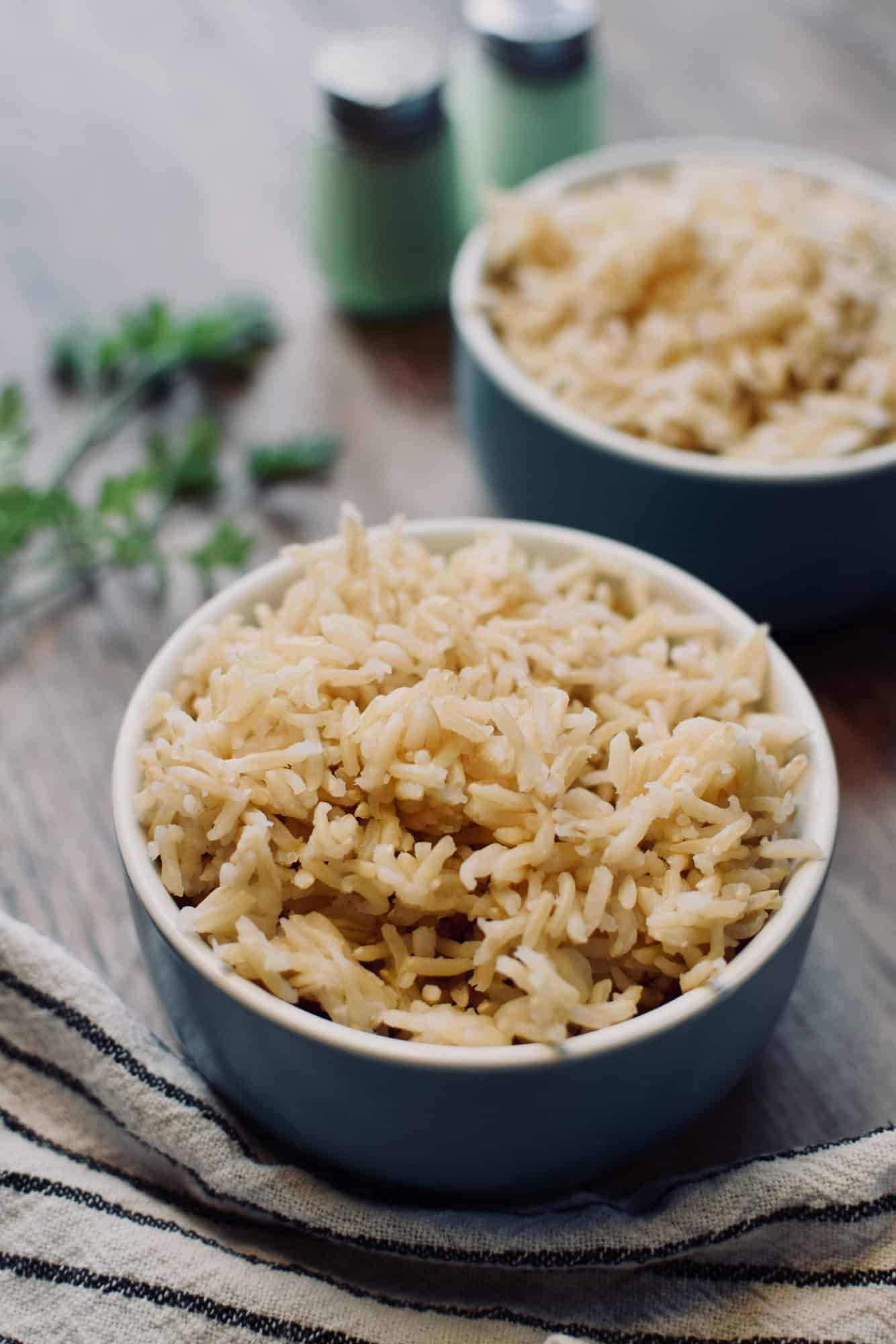
For years, brown rice and I had a complicated relationship. It was the healthy choice, the sensible sidekick, the nutritional powerhouse I knew I should embrace. Yet, all too often, it sat on my plate like a well-meaning but utterly uninspiring friend: bland, a bit chewy, and utterly devoid of personality. It was the culinary equivalent of listening to elevator music when you crave a symphony.
I remember my early attempts: a pot of earnest, boiled brown rice, served alongside whatever main dish I was attempting to make healthy. The contrast was stark. While the chicken or fish might be marinated, seasoned, or seared to perfection, the rice remained a beige, stoic counterpoint, a nutritional duty rather than a culinary delight. I’d try to dress it up with a pat of butter or a sprinkle of salt, but it felt like putting a tiara on a potato – admirable effort, but ultimately missing the point.
This was the brown rice dilemma that plagued so many of us in the pursuit of wholesome eating. We understood its undeniable health benefits: the fiber for gut health, the sustained energy from complex carbohydrates, the array of essential minerals and B vitamins. We knew it was a whole grain, superior to its stripped-down white counterpart. Yet, knowing something is good for you doesn’t automatically make it desirable. The gap between intention and enjoyment felt like a chasm.
But then, something shifted. It wasn’t a sudden epiphany, but a gradual awakening, fueled by curiosity and a stubborn refusal to accept that "healthy" had to mean "boring." I started to approach brown rice not as a punishment, but as a blank canvas. What if, instead of merely cooking it, I could transform it? What if, like any other premium ingredient, it deserved thoughtful preparation, innovative techniques, and a touch of culinary flair?
This journey led me to a profound realization: brown rice, and indeed many other whole grains, are not inherently dull. They are incredibly versatile, capable of absorbing, reflecting, and even enhancing a myriad of flavors and textures. The secret isn’t just in the cooking method, but in a holistic approach to flavor building, an understanding of culinary chemistry, and a willingness to experiment.
What follows are the five revelations that turned my brown rice from a dutiful staple into a delicious obsession, five distinct pathways to unlock its incredible potential. These aren’t just recipes; they are philosophies, techniques, and mindsets that will elevate your whole grain game from merely acceptable to absolutely incredible. Prepare to bid farewell to bland, because we’re about to embark on a flavor expedition that will change your perception of healthy eating forever.
1. The Alchemist’s Broth: Infusion from Within
The most common mistake we make with brown rice is treating it like a passive ingredient. We boil it in water, expecting it to magically absorb flavor. But water, by its very nature, is a neutral medium. To infuse brown rice with incredible taste, we must start at the source: the cooking liquid itself. This is where the alchemist’s broth comes into play, transforming humble grains into a symphony of flavor from the inside out.
Imagine a culinary alchemist, carefully selecting elixirs and essences to imbue a base element with new life. That’s precisely what we’re doing here. Instead of plain water, we substitute it with richly flavored broths, aromatic vegetables, and potent spices. The brown rice, with its robust outer bran layer, is a sponge, patiently absorbing every nuance of the liquid it simmers in.
The Philosophy: Flavor is not an afterthought, but an integral component. By cooking the rice in a liquid that is already delicious, we ensure that every single grain is saturated with taste, rather than merely coated. This isn’t just about adding flavor; it’s about building a foundation of taste that permeates the entire dish.
The Technique:
-
Choose Your Broth Wisely: This is the cornerstone.
- Vegetable Broth: For a clean, herbaceous base. Look for low-sodium options so you can control the seasoning. Infuse it further with bay leaves, thyme, parsley stems, or even a dried mushroom for umami.
- Chicken or Beef Broth: For a richer, more savory profile. Again, low-sodium is key. Roasting chicken bones or beef scraps beforehand will intensify their flavor before making the broth.
- Dashi (Japanese Seaweed Broth): For an umami-rich, subtly oceanic flavor. This is particularly excellent with short-grain brown rice.
- Mushroom Broth: A powerful, earthy base, especially good with wild rice blends or heartier brown rice varieties. Rehydrate dried porcini mushrooms in hot water, then strain and use the liquid.
-
Aromatics Are Your Allies: Before adding the rice and broth, sauté aromatics in a little olive oil or butter directly in the pot. This crucial step releases their fat-soluble flavor compounds, building a deeper, more complex base.
- Classic Mirepoix: Diced onion, carrot, and celery form a sweet, savory foundation.
- Garlic and Shallots: Essential for almost any savory dish.
- Ginger and Lemongrass: For an Asian-inspired profile.
- Spices: Toast whole spices like cumin seeds, coriander seeds, star anise, or cardamom pods in the hot oil before adding other ingredients. The heat awakens their essential oils, intensifying their fragrance and flavor. Turmeric, saffron, or smoked paprika can add color and depth.



Post Comment