The Laurel’s Legacy: Unveiling the Evidence-Based Health Benefits of Laurus nobilis
Prologue: Whispers of Antiquity, Echoes in Science
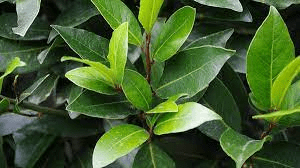
For millennia, it has stood as a silent sentinel of history, its glossy, dark green leaves whispering tales of triumph, poetry, and prophecy. From the sun-drenched hillsides of the Mediterranean, Laurus nobilis – the noble laurel, or simply, bay laurel – has woven itself into the very fabric of human civilization. Crowned upon the brows of emperors and poets, its leaves were symbols of victory, wisdom, and immortality. Its aromatic essence graced sacred rituals, purified spaces, and lent its distinctive flavour to countless culinary masterpieces. Yet, beneath this rich tapestry of cultural significance and culinary delight, lies a deeper, more profound narrative: the story of its potent medicinal properties, meticulously preserved in traditional knowledge and increasingly validated by the rigorous lens of modern scientific inquiry.
This is not merely an exploration of an herb; it is a journey through time, from the empirical observations of ancient healers to the precise molecular investigations of contemporary laboratories. It is a story that bridges the gap between folklore and pharmacology, revealing how the same plant revered by Apollo and Caesar holds a treasure trove of evidence-based health benefits, poised to enrich our understanding of natural medicine. For the knowledgeable audience, we delve beyond the surface, dissecting the phytochemical arsenal of Laurus nobilis and meticulously examining the scientific evidence that underpins its growing reputation as a versatile therapeutic agent.
Chapter 1: The Historical Tapestry – From Myth to Medicine Cabinet
The journey of Laurus nobilis into the annals of human health begins long before the advent of modern science. In ancient Greece, the laurel was sacred to Apollo, the god of healing and prophecy. The Oracle of Delphi reportedly chewed bay leaves to induce her prophetic trances, linking the plant to altered states and spiritual insight – perhaps an early, albeit mystical, recognition of its psychoactive or calming properties. Hippocrates, the father of Western medicine, prescribed bay leaves for uterine complaints, while Dioscorides, in his monumental De Materia Medica, detailed its use for digestive issues, coughs, and as a diuretic.
The Romans, too, embraced its therapeutic virtues. Pliny the Elder documented its use for insect stings, sciatica, and as a remedy for liver and spleen ailments. Throughout the Middle Ages and into the Renaissance, European herbalists continued to utilize bay laurel for its carminative, antiseptic, and anti-inflammatory effects. It was a common ingredient in plague remedies, believed to ward off contagion, and its essential oil was prized for its warming and analgesic qualities in liniments.
This enduring presence in traditional medicine across diverse cultures is not merely coincidence; it speaks to generations of empirical observation and anecdotal success. While these historical accounts lack the controlled conditions of modern trials, they provide a powerful contextual backdrop, suggesting that the plant’s bioactivity was intuitively understood long before molecules could be identified and mechanisms elucidated. It is this historical legacy that provides a compelling invitation for contemporary science to investigate and validate.
Chapter 2: The Phytochemical Arsenal – Unveiling the Bioactive Symphony
The therapeutic prowess of Laurus nobilis is not attributable to a single compound but rather to a complex, synergistic blend of bioactive phytochemicals. This intricate "phytochemical arsenal" works in concert, often exhibiting enhanced effects compared to isolated compounds – a phenomenon known as synergy, characteristic of whole plant medicines.
The primary contributors to its characteristic aroma and many of its medicinal properties are the essential oils, particularly rich in:
- 1,8-Cineole (Eucalyptol): Often the most abundant compound, responsible for the strong, camphoraceous aroma. It is a well-researched monoterpene with documented anti-inflammatory, analgesic, bronchodilatory, and mucolytic properties.
- Linalool: A monoterpene alcohol contributing to a floral, woody aroma. It is known for its anxiolytic, sedative, and antimicrobial effects.
- Eugenol: A phenylpropanoid also found in cloves, imparting a warm, spicy note. It possesses significant anti-inflammatory, antioxidant, and antimicrobial activities, and has been studied for its analgesic potential.
- Methyl Eugenol: A close relative of eugenol, also contributing to the aroma and bioactivity. (Note: Methyl eugenol can be controversial in high doses due to potential genotoxicity, emphasizing the importance of whole plant extracts over isolated, concentrated compounds).
- Alpha-Pinene and Beta-Pinene: Monoterpenes with pine-like aromas, known for their anti-inflammatory, antimicrobial, and bronchodilatory properties.
- Sabinene: A monoterpene with a spicy, woody aroma, contributing to anti-inflammatory and antioxidant effects.
Beyond the volatile essential oils, Laurus nobilis also contains a wealth of other significant compounds:
- Flavonoids: These are potent antioxidants and anti-inflammatory agents. Examples include quercetin, kaempferol, and myricetin derivatives. They scavenge free radicals, modulate enzyme activity, and influence cellular signaling pathways.
- Tannins: Polyphenolic compounds responsible for astringency. They exhibit antioxidant, anti-inflammatory, and antimicrobial properties, often contributing to wound healing and digestive health.
- Alkaloids: Nitrogen-containing compounds, some of which can have significant pharmacological activity. While not as prominent as in other medicinal plants, their presence contributes to the overall effect.
- Lactones: Sesquiterpene lactones, such as costunolide and dehydrocostus lactone, have been identified, which are recognized for their anti-inflammatory and potential anticancer properties.
- Fatty Acids: The fixed oil from bay berries contains fatty acids like lauric acid, oleic acid, and linoleic acid, which contribute to its emollient and anti-inflammatory properties when used topically.
The interaction of these diverse chemical classes – essential oils providing immediate aromatic and volatile effects, while flavonoids and tannins offer sustained antioxidant and anti-inflammatory support – creates a sophisticated biochemical symphony responsible for the plant’s broad spectrum of therapeutic actions. Understanding this complex interplay is key to appreciating the "evidence-based" health benefits discussed in the following chapters.
Chapter 3: Unveiling the Benefits – A Scientific Expedition
Modern research, employing a range of in vitro (cell culture), in vivo (animal models), and a growing number of human clinical trials, has begun to systematically dismantle the mysteries surrounding Laurus nobilis. The evidence points to a diverse array of health benefits, ranging from potent anti-inflammatory effects to metabolic regulation and even potential anticancer properties.


Post Comment