More Than Just Fiber: Exploring the Micronutrients Hidden in Brown Rice
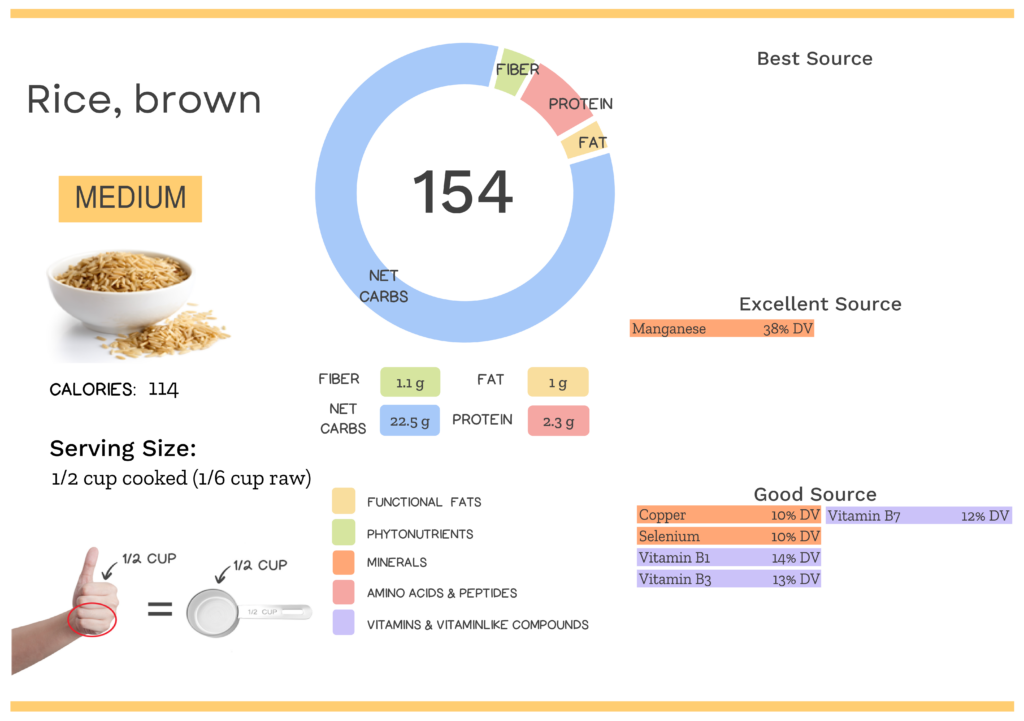
For too long, brown rice has been relegated to the health-food periphery, often perceived primarily through the lens of its fiber content or as a mere "healthy carb" alternative to its refined white counterpart. It stands as a staple, a ubiquitous presence on dinner plates and in dietary guidelines, yet its true nutritional grandeur remains largely unsung, its story untold beyond the most superficial of narratives. We readily acknowledge its roughage, its contribution to digestive regularity, and its sustained energy release, but in doing so, we often overlook the intricate tapestry of micronutrients woven within its very being – a sophisticated biochemical symphony playing out in every grain.
This article aims to peel back the husk of convention, to delve deeper into the complex biological package that is brown rice, and to illuminate the hidden treasures residing within. It is a journey into the unseen, a narrative revealing how this ancient grain transcends its fibrous reputation to emerge as a powerhouse of vitamins, minerals, and potent phytonutrients, each playing a crucial, synergistic role in the intricate dance of human health. For the knowledgeable audience, we will explore not just what these micronutrients are, but why they matter, how they interact, and the profound implications of their presence for our physiological well-being. Brown rice isn’t merely a food; it is a testament to nature’s profound wisdom, a holistic offering designed to nourish and protect from the cellular level upwards.
The Anatomy of Abundance: A Microcosm of Nutrition
To truly appreciate the nutritional story of brown rice, one must first understand its structural integrity, a stark contrast to its refined sibling. A grain of brown rice is, in essence, a miniature biological fortress, comprising three primary components: the bran, the germ, and the endosperm. It is the judicious preservation of the first two that elevates brown rice from a simple carbohydrate source to a micronutrient marvel.
The Bran: This is the outer, protective layer of the rice kernel, a robust epidermal shield that constitutes approximately 5-8% of the grain’s weight. Far from being mere roughage, the bran is a densely packed repository of nutritional compounds. It is here that the lion’s share of dietary fiber resides – both soluble and insoluble – crucial for digestive health, blood sugar regulation, and satiety. But its contributions extend far beyond fiber. The bran layer is a vibrant hub of B vitamins, particularly thiamine (B1), riboflavin (B2), and niacin (B3), alongside a significant array of minerals such as magnesium, manganese, selenium, and iron. Crucially, the bran is also a rich source of powerful antioxidants, including phenolic compounds, flavonoids, and the unique gamma-oryzanol, all working tirelessly to combat oxidative stress and inflammation.
The Germ: Nestled beneath the bran, the germ is the embryonic part of the grain, the very life force from which a new rice plant could sprout. Though small, typically accounting for only 2-3% of the grain’s weight, it is a nutritional powerhouse. The germ is replete with healthy fats, predominantly monounsaturated and polyunsaturated fatty acids, which are vital for cell structure and hormone production. It is also an excellent source of vitamin E, specifically the potent tocotrienol form, celebrated for its antioxidant and cardiovascular benefits. Furthermore, the germ contributes significantly to the grain’s B vitamin profile, particularly folate and pyridoxine (B6), and offers additional minerals like zinc and phosphorus.
The Endosperm: This is the largest part of the grain, making up around 90-92% of its total weight. In brown rice, the endosperm remains intact, though it is the primary component retained in white rice after the bran and germ are removed. Primarily composed of complex carbohydrates (starch), which serve as the grain’s main energy reserve, the endosperm also contains a modest amount of protein and some residual B vitamins. While less nutrient-dense than the bran and germ, its presence ensures a steady, sustained release of glucose into the bloodstream, contributing to stable energy levels.
The refining process that transforms brown rice into white rice systematically strips away the bran and the germ, along with approximately 60-80% of its magnesium, 50% of its manganese, 70% of its phosphorus, 80% of its thiamine, 60% of its iron, and virtually all of its essential fatty acids and vitamin E. This stark contrast underscores why understanding the complete architecture of brown rice is fundamental to appreciating its profound nutritional narrative.
The B-Vitamin Complex: The Energy Architects and Beyond
Among the most compelling stories hidden within brown rice is its remarkable concentration of B vitamins. These water-soluble coenzymes are not merely supplementary; they are the indispensable architects of cellular energy production, the silent conductors orchestrating a myriad of metabolic processes crucial for every facet of human life. Their collective presence in brown rice makes it a cornerstone for sustained vitality and neurological health.
Thiamine (Vitamin B1): Brown rice is an excellent source of thiamine, a vitamin absolutely critical for carbohydrate metabolism. Thiamine acts as a coenzyme in the conversion of glucose into energy, a process vital for brain function, nerve signal transmission, and muscle contraction. Without adequate thiamine, the body struggles to generate ATP, leading to fatigue, cognitive impairment, and, in severe cases, neurological disorders like beriberi. Its role in neurotransmitter synthesis further underscores its importance for mental clarity and mood stability.
Riboflavin (Vitamin B2): This vitamin is another key player in energy metabolism, serving as a precursor to FAD (flavin adenine dinucleotide) and FMN (flavin mononucleotide), coenzymes involved in the electron transport chain, the primary pathway for ATP production. Riboflavin also plays a crucial role in cellular growth and function, the metabolism of fats and drugs, and acts as an antioxidant by supporting glutathione reductase, an enzyme that regenerates glutathione, one of the body’s most potent endogenous antioxidants.
Niacin (Vitamin B3): Brown rice provides a significant amount of niacin, particularly in its bound form (niacytin) within the bran. Niacin is essential for over 400 enzymatic reactions in the body, predominantly those involved in energy metabolism, DNA repair, and antioxidant pathways. It is a precursor to NAD (nicotinamide adenine dinucleotide) and NADP (nicotinamide adenine dinucleotide phosphate), coenzymes fundamental to redox reactions. While its bioavailability from grains can be limited due to its bound nature, traditional preparation methods like soaking and fermentation can enhance its release. Niacin also plays a role in regulating cholesterol levels and supporting skin health.
Pantothenic Acid (Vitamin B5): This ubiquitous vitamin is fundamental to the synthesis of coenzyme A (CoA), a molecule indispensable for the metabolism of carbohydrates, fats, and proteins. Pantothenic acid is also vital for the synthesis of fatty acids, cholesterol, steroid hormones, and neurotransmitters. Its broad involvement in metabolic pathways means that a deficiency can lead to widespread fatigue, gastrointestinal issues, and neurological symptoms. Brown rice contributes a meaningful amount of this foundational nutrient.
Pyridoxine (Vitamin B6): Brown rice is a valuable source of pyridoxine, a versatile vitamin involved in more than 100 enzyme reactions, primarily related to protein metabolism. It is crucial for the synthesis of neurotransmitters like serotonin, dopamine, and GABA, profoundly impacting mood regulation, sleep, and cognitive function. B6 also plays a key role in red blood cell formation, immune function, and the regulation of homocysteine levels, an amino acid linked to cardiovascular disease when elevated.
Folate (Vitamin B9): While not as prominent a source as leafy greens, brown rice still contributes to our folate intake, a vitamin critical for DNA synthesis and repair, cell division, and red blood cell production. It is particularly vital during periods of rapid growth, such as pregnancy, to prevent neural tube defects. Folate works closely with B12 and B6 in the metabolism of homocysteine, further emphasizing its role in cardiovascular health.
The B vitamins in brown rice do not operate in isolation; they are a synergistic team. Their collective presence ensures that the body’s energy factories run efficiently, that genetic material is properly maintained, and that the nervous system functions optimally. Brown rice, therefore, isn’t just a food that gives energy; it’s a food that provides the very machinery to create energy, consistently and sustainably.
The Mineral Matrix: Building Blocks and Regulators
Beyond the vitamins, brown rice harbors a rich mineral matrix, essential elements that serve as the body’s structural components, catalysts for enzymatic reactions, and regulators of physiological processes. These minerals, often overlooked, are silent giants in the quest for optimal health.
Magnesium: Brown rice is an excellent source of magnesium, a mineral involved in over 300 enzymatic reactions in the body. It is critical for muscle and nerve function, blood glucose control, and blood pressure regulation. Magnesium is also vital for bone health, contributing to bone density and strength, and plays a role in DNA and RNA synthesis, as well as protein production. Its presence in brown rice supports heart health, mitigates muscle cramps, and can aid in stress reduction and sleep quality.
Manganese: This trace mineral, abundant in brown rice, is indispensable for bone development and metabolism. It is a key component of superoxide dismutase (Mn-SOD), a powerful antioxidant enzyme that protects mitochondria from oxidative damage. Manganese also plays a role in carbohydrate and fat metabolism, cholesterol synthesis, and the formation of connective tissue.
Selenium: Though a trace mineral, selenium is a potent antioxidant and a crucial component of selenoproteins, which are involved in thyroid hormone metabolism, DNA synthesis, and protection against oxidative damage and infection. Brown rice provides a valuable contribution to daily selenium intake, supporting immune function and acting as a vital shield against free radicals.
Phosphorus: As the second most abundant mineral in the body, phosphorus is fundamental for the formation of bones and teeth. Brown rice provides a substantial amount of this mineral, which is also critical for energy storage and transfer (as ATP), kidney function, muscle contraction, and nerve signaling. It is an integral component of DNA and RNA, as well as cell membranes.
Zinc: Brown rice contains a respectable amount of zinc, a trace mineral vital for immune function, wound healing, and cell division. It is involved in numerous enzymatic reactions, playing a role in protein synthesis, DNA repair, and cell growth. Zinc is also crucial for maintaining the senses of taste and smell and supports healthy vision.
Iron (Non-heme): While the iron in brown rice is non-heme iron (less readily absorbed than heme iron from animal sources), it still contributes to overall intake. Iron is essential for the formation of hemoglobin, the protein in red blood cells that transports oxygen throughout the body. It is also involved in energy production and various enzyme systems. The presence of vitamin C in a meal can significantly enhance the absorption of non-heme iron from brown rice.
Copper: This essential trace mineral is found in brown rice and is crucial for iron metabolism, red blood cell formation, and the production of collagen and elastin, connective tissues that support blood vessels, bones, and skin. Copper also functions as an antioxidant and is involved in energy production and nerve function.
Potassium: While not as high in brown rice as some fruits and vegetables, it still contributes to potassium intake. This electrolyte is vital for maintaining fluid balance, nerve signals, and muscle contractions, including the critical function of the heart. Adequate potassium intake is associated with healthy blood pressure levels.
It is important for a knowledgeable audience to acknowledge the presence of phytates (phytic acid) in the bran layer of brown rice. Phytates can bind to certain minerals (like iron, zinc, magnesium, and calcium), potentially reducing their bioavailability. However, this is a nuanced story. Phytates also possess beneficial antioxidant and anti-cancer properties. Furthermore, traditional preparation methods such as soaking, sprouting, and fermentation can significantly reduce phytate levels, enhancing mineral absorption. The overall health benefits of brown rice’s comprehensive nutrient profile far outweigh any potential minor reduction in mineral bioavailability, especially within a balanced diet.


Post Comment