Complex Carbs, Simple Benefits: The Nutritional Profile of Whole Grain Brown Rice
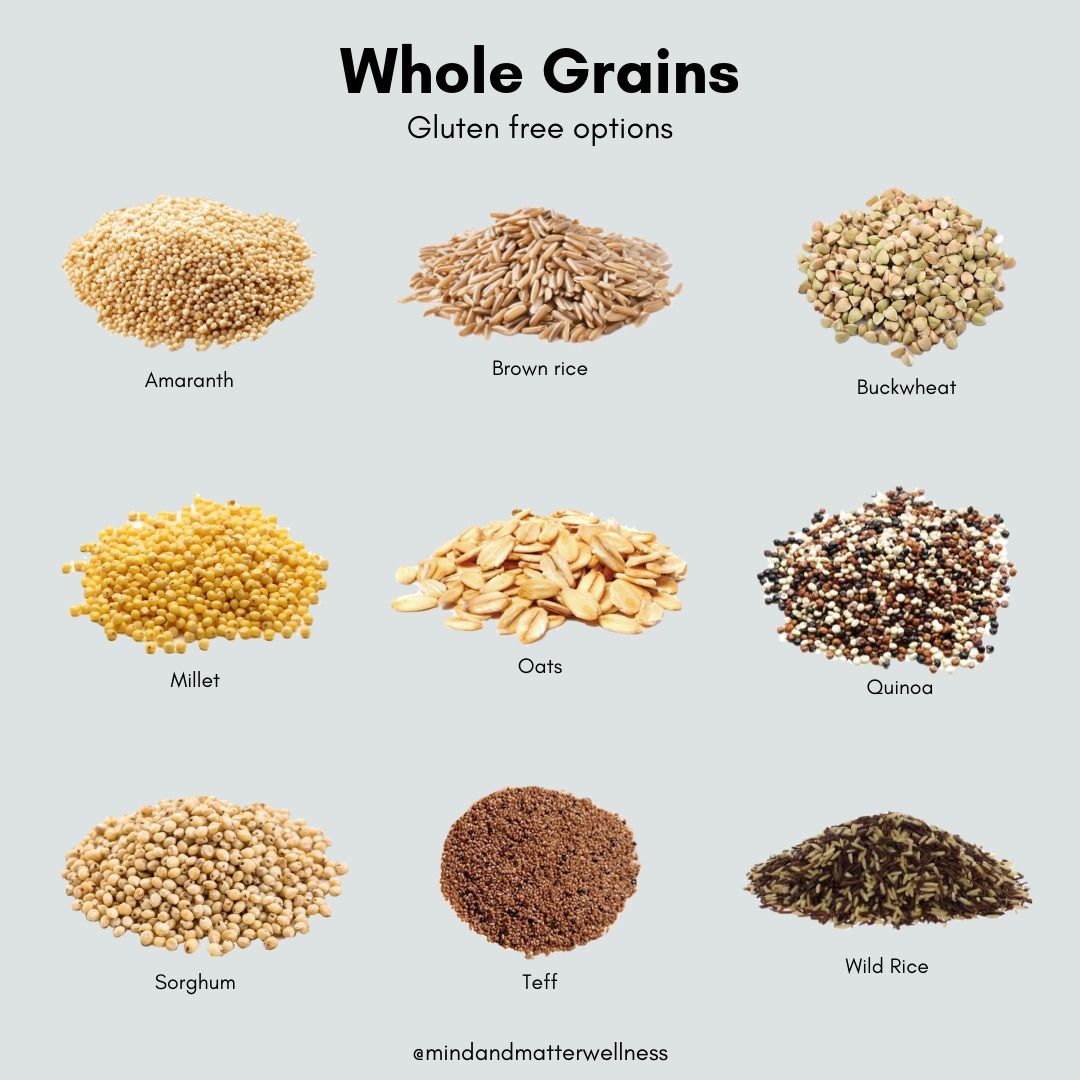
A Grain’s Enduring Saga: From Ancient Staple to Modern Superfood
In the vast tapestry of human civilization, few foods have held as profound and enduring a significance as rice. For millennia, it has nourished billions, shaped cultures, and driven economies, particularly across Asia. Yet, within the ubiquitous grain Oryza sativa, lies a subtle but profound distinction – the difference between the polished, gleaming white grain and its earthier, more robust cousin: brown rice. This distinction is not merely aesthetic; it marks a chasm in nutritional value, a testament to the power of the whole grain.
Our journey begins not just in the fields where rice stalks sway, but in the very core of our understanding of nutrition. In an era dominated by fad diets, quick fixes, and the demonization of entire macronutrient groups, the humble brown rice stands as a quiet rebel, a beacon of balanced, sustained nourishment. It challenges the simplistic narratives, reminding us that carbohydrates, far from being monolithic villains, are essential for life, and when delivered in their complex, unrefined forms, they are the very bedrock of health.
This article delves into the intricate nutritional profile of whole grain brown rice, unpacking its complex carbohydrate structure, its rich array of micronutrients, and the profound, yet often simply stated, benefits it confers. For the knowledgeable audience, we aim to transcend superficial claims, exploring the mechanisms, the science, and the holistic implications that elevate brown rice from a mere dietary component to a cornerstone of a healthy lifestyle. This is the story of a grain that offers not just sustenance, but a blueprint for well-being.
Chapter 1: The Unveiling of the Whole Grain – An Architectural Marvel
To truly appreciate brown rice, one must first understand its structural integrity, an architectural marvel meticulously crafted by nature. Unlike its refined counterpart, white rice, brown rice remains "whole" – meaning it retains all three essential layers of the grain kernel: the bran, the germ, and the endosperm. This seemingly minor difference is, in fact, the key to its superior nutritional power.
The Bran: This outermost layer is the protective shield of the grain, a tough, fibrous coating that encases the more delicate inner components. Far from being mere husk, the bran is a treasure trove of nutrients. It is the primary source of insoluble fiber, the roughage that aids in digestive regularity and adds bulk to stool, facilitating healthy bowel movements. Beyond fiber, the bran layer is rich in B vitamins (thiamine, niacin, pyridoxine), essential minerals like magnesium, phosphorus, and manganese, and a diverse spectrum of antioxidants, including phenolic compounds and flavonoids. These compounds act as the grain’s natural defense system, protecting it from environmental stressors, and when consumed, they extend that protective action to the human body. The removal of the bran during the milling process for white rice strips away these vital components, leaving behind a significantly less nutritious product.
The Germ: Nestled beneath the bran, the germ is the embryo of the rice kernel, the tiny powerhouse from which a new plant would sprout if given the chance. Biologically, it’s designed to provide nourishment for the nascent plant, and it does so by packing a concentrated punch of nutrients. The germ is particularly rich in healthy fats (polyunsaturated and monounsaturated fatty acids), which are crucial for cell function and hormone production. It’s also an excellent source of vitamin E, a potent fat-soluble antioxidant, and additional B vitamins, protein, and trace minerals like zinc and selenium. The delicate nature of the germ, with its higher fat content, makes brown rice more susceptible to rancidity than white rice, which is one reason why it has a shorter shelf life and why it was historically milled away for preservation purposes. However, modern packaging and storage techniques have largely mitigated this concern, allowing us to fully embrace its nutritional bounty.
The Endosperm: This is the largest part of the rice kernel, comprising roughly 80-85% of its weight. It is the primary energy reserve for the sprouting plant, consisting predominantly of complex carbohydrates in the form of starch. While the endosperm of both brown and white rice is largely composed of starch, the surrounding bran and germ layers in brown rice profoundly influence how this starch is digested and absorbed. In white rice, the endosperm is isolated, leading to rapid digestion and a quicker surge in blood glucose. In brown rice, the fibrous bran acts as a natural barrier, slowing down enzymatic access to the starch and modulating its release into the bloodstream.
In essence, brown rice is a holistic package. Each layer plays a vital role, not just for the grain’s survival but for human health. The milling process that transforms brown rice into white rice is a process of nutritional impoverishment, removing approximately 60-80% of the magnesium, manganese, selenium, and phosphorus, 50% of the fiber, and significant portions of B vitamins and essential fatty acids. Understanding this intrinsic architecture is the foundational step in appreciating the profound benefits that unfold as we delve deeper into its nutritional profile.
Chapter 2: The Macro-Narrative – Complex Carbohydrates as Life’s Sustenance
At the heart of brown rice’s nutritional story lies its classification as a complex carbohydrate. This designation is crucial, distinguishing it sharply from simple sugars and refined grains. For a knowledgeable audience, it’s not enough to simply state "complex carbs are good"; we must explore the underlying biochemistry and physiological impact.
The Nature of Complex Carbohydrates: Complex carbohydrates, or polysaccharides, are long chains of sugar molecules linked together. In brown rice, these are primarily starches – amylose and amylopectin. Unlike simple sugars (monosaccharides and disaccharides) which are rapidly broken down and absorbed, complex carbohydrates require more extensive enzymatic digestion. This intricate breakdown process is the physiological basis for the "sustained energy" narrative associated with brown rice.
When brown rice is consumed, the starch molecules, still encased within the fibrous matrix of the bran, are gradually hydrolyzed into glucose. This slower rate of digestion and absorption leads to a more gradual and prolonged release of glucose into the bloodstream. This physiological response has several profound implications:
-
Sustained Energy Release: Instead of a rapid spike and subsequent crash in blood sugar and energy levels, brown rice provides a steady supply of glucose, fueling the body and brain consistently over several hours. This prevents the energy dips and cravings often experienced after consuming simple carbohydrates. For individuals requiring stable energy throughout the day – from athletes to students to busy professionals – brown rice is an invaluable dietary ally.
-
Blood Sugar Regulation and Glycemic Response: This is perhaps one of the most significant benefits for public health. The Glycemic Index (GI) measures how quickly a carbohydrate-containing food raises blood glucose levels. Brown rice typically has a medium GI (around 50-60, though this can vary with cooking method and varietal), significantly lower than white rice (typically 70-80+). More importantly, the Glycemic Load (GL), which considers both the GI and the amount of carbohydrate in a serving, further illustrates brown rice’s favorable impact. Its fiber content and the slower digestion rate lead to a lower GL, meaning it has a gentler and more manageable impact on postprandial blood glucose. For individuals managing diabetes or at risk of metabolic syndrome, this characteristic is paramount, aiding in insulin sensitivity and preventing the chronic hyperinsulinemia associated with refined carbohydrate intake.
-
Resistant Starch – A Special Case: Brown rice, particularly when cooked and then cooled, contains a notable amount of resistant starch. As the name suggests, resistant starch is a type of starch that resists digestion in the small intestine and instead ferments in the large intestine. This fermentation process yields short-chain fatty acids (SCFAs), such as butyrate, acetate, and propionate. These SCFAs are not just energy sources for colonocytes; they play critical roles in gut health, immune modulation, and even systemic metabolic regulation. Butyrate, for instance, is a primary fuel for the cells lining the colon, contributing to gut barrier integrity and potentially reducing inflammation, a factor implicated in various chronic diseases, including colorectal cancer. The presence of resistant starch further amplifies brown rice’s role in promoting a healthy gut microbiome, acting as a prebiotic that selectively feeds beneficial bacteria.
-
Satiety and Weight Management: The combination of complex carbohydrates, fiber, and protein (albeit in smaller amounts than legumes) in brown rice contributes significantly to satiety. The slower digestion rate means the stomach empties more gradually, prolonging feelings of fullness. This extended satiety helps to reduce overall calorie intake by curbing snacking and overeating, making brown rice a valuable component of weight management strategies. Furthermore, the sustained energy prevents the "sugar crash" that often triggers cravings for more quick-energy foods.
In summary, the complex carbohydrate profile of brown rice is not just about energy; it’s about intelligent energy delivery. It’s about optimizing metabolic responses, fostering gut health, and providing a foundational source of sustained vitality without the detrimental peaks and troughs associated with simpler, refined carbohydrates. This macro-narrative is the bedrock upon which its myriad micronutrient benefits are built.




Post Comment