Complex Carbs, Simple Benefits: The Nutritional Profile of Whole Grain Brown Rice
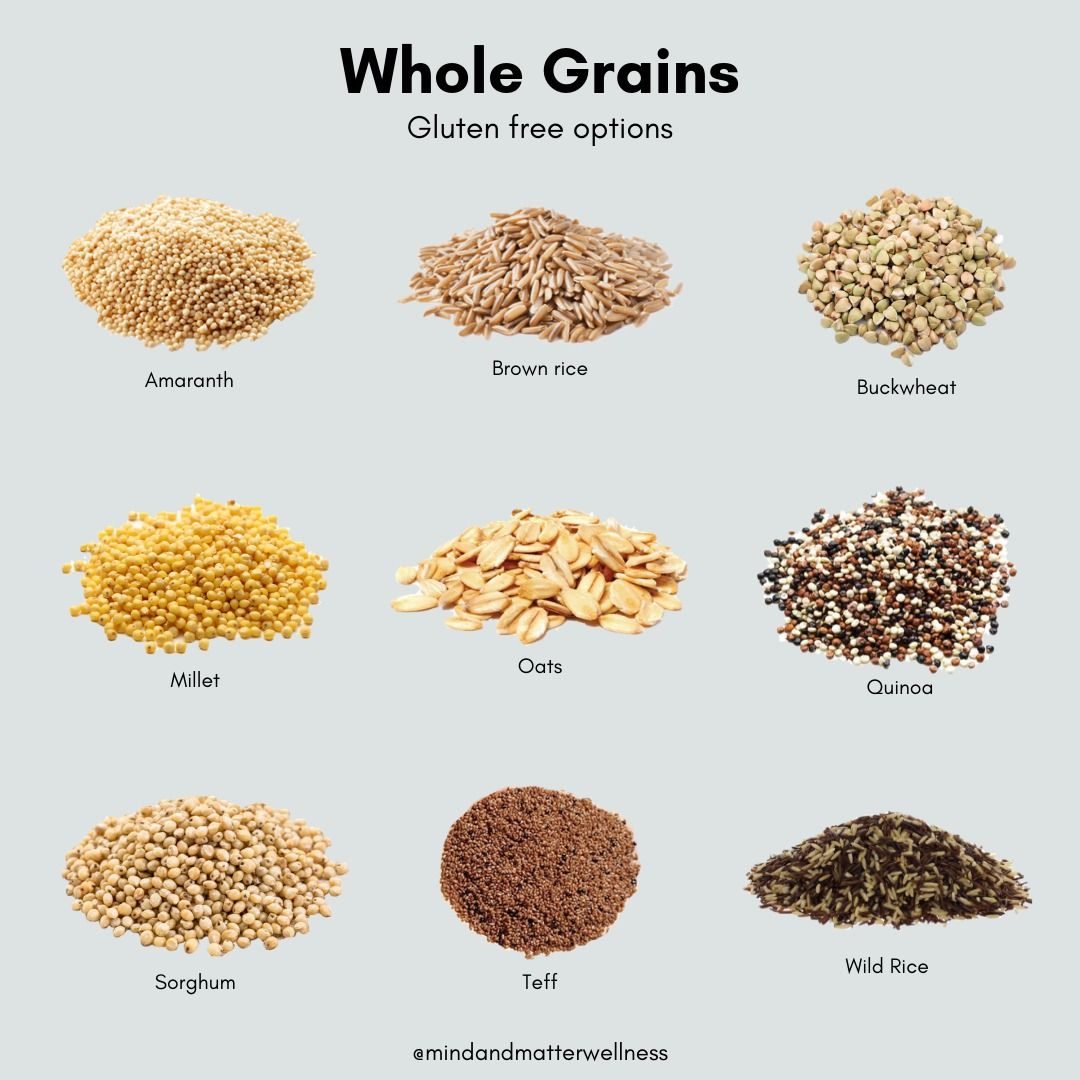
In the vast tapestry of human diet, few staples hold as much historical significance and global presence as rice. For millennia, this humble grain has nourished civilizations, fueled economies, and shaped cultures across continents. Yet, within its seemingly simple structure lies a world of nutritional complexity, particularly when we turn our attention to its unrefined, whole grain form: brown rice. Often overshadowed by its more polished counterpart, white rice, brown rice stands as a testament to the profound benefits derived from embracing foods in their natural, complete state. It is a story not just of sustenance, but of sophisticated biological design, where complex carbohydrates orchestrate a symphony of health benefits, delivering them with an elegant, almost deceptive simplicity.
To truly appreciate brown rice, we must first understand its anatomy – a miniature architectural marvel. Unlike white rice, which has been stripped of its most nutrient-dense layers, brown rice retains its bran, germ, and endosperm. Each of these components plays a crucial role in its nutritional profile, working in concert to provide a holistic package of energy, fiber, vitamins, minerals, and protective phytochemicals. This article embarks on a journey to unravel this complexity, delving deep into the nutritional nuances of whole grain brown rice, revealing why its "complex carbs" lead to such "simple, yet profound benefits" for human health.
The Uncut Gem: Deconstructing the Whole Grain
The distinction between brown rice and white rice is not merely aesthetic; it is a fundamental difference in nutritional integrity. White rice is, in essence, the endosperm of the grain, polished to remove the outer layers. Brown rice, however, is a whole grain, meaning it comprises all three edible parts of the rice kernel:
-
The Bran: This is the hard outer layer of the kernel, acting as a protective shell. It is a powerhouse of nutrients, containing the majority of the grain’s fiber, B vitamins (thiamine, niacin, B6), iron, magnesium, phosphorus, manganese, selenium, and most significantly, a rich array of antioxidants and phytochemicals. Its presence is what gives brown rice its characteristic brownish hue.
-
The Germ: Located at the core of the kernel, the germ is the embryo of the seed, the part that has the potential to sprout into a new plant. Despite its small size, it is incredibly nutrient-dense, packed with B vitamins, vitamin E, essential fatty acids, and a host of minerals and antioxidants. The germ is a concentrated source of vitality, crucial for the grain’s life and our health.
-
The Endosperm: This is the largest part of the kernel and is primarily composed of starchy carbohydrates, providing the grain with energy for growth. While less nutrient-dense than the bran and germ, it still contributes protein and some vitamins and minerals. In white rice, the endosperm is virtually all that remains.
When white rice is produced, the milling process removes the bran and germ. This refining step significantly extends the shelf life of the grain and alters its texture, making it softer and quicker to cook. However, this convenience comes at a steep nutritional cost. Up to 80% of the B vitamins, 90% of the fiber, and over half of the minerals and beneficial phytochemicals are lost in the process. What remains is a product primarily composed of rapidly digestible starch, a stark contrast to the nutrient-rich, slow-release energy source that is whole grain brown rice. This fundamental difference sets the stage for brown rice’s superior health profile, beginning with its signature complex carbohydrates.
The Heart of the Matter: Complex Carbohydrates and Sustained Energy
At the core of brown rice’s nutritional prowess are its complex carbohydrates. Far from being a monolithic entity, these carbohydrates are long chains of sugar molecules (polysaccharides) that require more time and effort for the body to break down and absorb. This "complexity" is the secret to brown rice’s unique benefits, particularly concerning energy regulation and metabolic health.
Unlike simple carbohydrates, found in refined sugars and white flour products, which are rapidly digested and lead to quick spikes in blood glucose, the complex carbohydrates in brown rice are slowly and steadily released into the bloodstream. This controlled release provides a sustained source of energy, preventing the sharp peaks and troughs in blood sugar that can lead to energy crashes, mood swings, and increased cravings.
The glycemic index (GI) and glycemic load (GL) are critical concepts for understanding this difference. The GI measures how quickly a carbohydrate-containing food raises blood glucose levels, while the GL takes into account both the GI and the amount of carbohydrate in a typical serving. Brown rice generally has a lower GI and GL compared to white rice, indicating a more gradual and moderate impact on blood sugar. This is largely due to the presence of fiber, which acts as a physical barrier, slowing down enzymatic digestion of starch, and the inherent structure of its starch molecules.
This slow digestion has profound implications for metabolic health. By promoting stable blood sugar levels, brown rice helps improve insulin sensitivity, a crucial factor in preventing and managing type 2 diabetes. Insulin, the hormone responsible for ushering glucose into cells, functions more efficiently when it’s not constantly battling high glucose surges. Over time, frequent consumption of high-GI foods can lead to insulin resistance, a precursor to diabetes. Brown rice, with its complex carbohydrate structure, helps mitigate this risk, making it an excellent choice for individuals seeking to maintain optimal metabolic balance.
Furthermore, within the realm of complex carbohydrates, brown rice contains a notable proportion of resistant starch. As its name suggests, resistant starch is a type of starch that resists digestion in the small intestine and instead ferments in the large intestine. Here, it acts as a prebiotic, nourishing beneficial gut bacteria. This fermentation process produces short-chain fatty acids (SCFAs) like butyrate, acetate, and propionate, which have numerous health benefits, including supporting gut barrier integrity, reducing inflammation, and potentially playing a role in appetite regulation and even cancer prevention within the colon. The presence of resistant starch further underscores the multifaceted benefits of brown rice’s carbohydrate profile, extending its impact beyond mere energy provision to fundamental gut health.
Beyond Carbs: The Indispensable Fiber Story
While the complex carbohydrates lay the foundation, it is the fiber content of brown rice that truly elevates its nutritional status. Fiber, often called "nature’s scrub brush," is a non-digestible carbohydrate found abundantly in the bran layer of brown rice. It is a critical component for digestive health and plays a significant role in preventing chronic diseases.
Dietary fiber is broadly categorized into two main types, both present in brown rice, each with distinct benefits:
-
Insoluble Fiber: This type of fiber does not dissolve in water. It adds bulk to stool, facilitating its passage through the digestive tract. By increasing stool volume and softening it, insoluble fiber helps prevent constipation, promotes regular bowel movements, and can reduce the risk of diverticular disease. It acts as a mechanical aid, sweeping through the intestines, helping to cleanse and maintain gut motility. This physical action also contributes to a feeling of fullness, which can be beneficial for weight management.



Post Comment