The Controversial Superfood: Why Health Enthusiasts are Obsessed with Durian
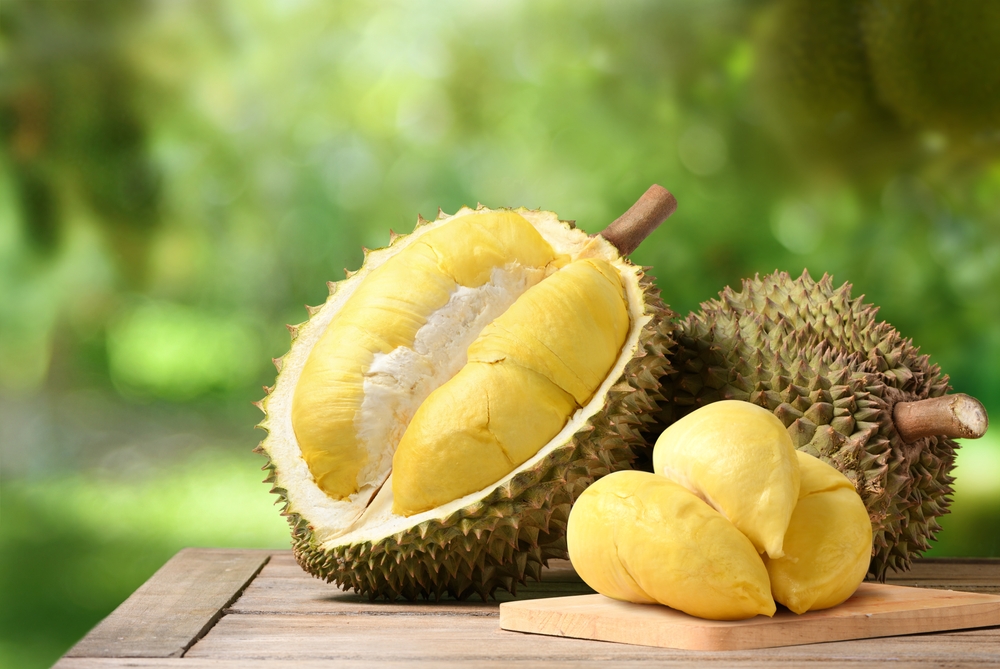
Imagine a fruit so polarizing that it’s banned from public transport and hotels across vast swathes of Southeast Asia, yet so revered that it commands exorbitant prices and is hailed as the “King of Fruits.” Its aroma, a complex symphony of gasoline, rotten onions, and stale gym socks to some, is an intoxicating perfume of creamy caramel and sweet almonds to others. This enigmatic superstar is the durian (Durio zibethinus), a fruit that doesn’t just divide opinions; it declares war on the senses, only to lavish its devotees with an unparalleled gustatory and nutritional experience.
For the uninitiated, the very mention of durian often elicits a shudder, a grimace, or a vivid recollection of its notorious stench. Yet, beneath its thorny exterior and infamous fragrance lies a treasure trove of nutrients, a potent superfood that has captivated the attention of health enthusiasts, biohackers, and culinary adventurers worldwide. Why are these discerning individuals not merely tolerating but actively obsessing over a fruit that challenges every conventional notion of palatable aroma? The answer is a multifaceted narrative, woven through ancient traditions, modern science, and an unyielding pursuit of peak health.
This is the story of durian, a fruit that demands courage, rewards curiosity, and ultimately redefines what it means to be a superfood. We will delve beyond the initial olfactory shock, exploring its rich history, its astounding nutritional profile, the profound health benefits that elevate it to superfood status, the controversies that inevitably swirl around such a potent entity, and ultimately, why health enthusiasts are not just eating durian, but celebrating it as a cornerstone of their wellness journey.
The Olfactory Divide: Deconstructing the Durian’s Aroma
To truly appreciate durian, one must first confront its most infamous characteristic: the smell. It is this potent, pervasive aroma that acts as the ultimate gatekeeper, separating the curious from the converted. While descriptions range from "pig-shit, turpentine and onions" (as described by British naturalist Alfred Russel Wallace in the 19th century) to "sweet, savory, and sulfurous," the scientific explanation behind this olfactory phenomenon is fascinatingly complex.
Research has identified over 50 volatile compounds responsible for durian’s unique bouquet. These include esters (fruity notes), ketones (sweet, caramel notes), and crucially, a high concentration of sulfur compounds (thiols and thioethers), which contribute to the oniony, garlicky, and sometimes rotten egg-like nuances. Paradoxically, these same sulfur compounds are often associated with highly prized flavors in foods like truffles and aged cheeses. The precise combination and concentration of these compounds vary between durian cultivars, leading to a spectrum of aromatic experiences, from the mildly pungent to the overwhelmingly intense.
From an evolutionary perspective, such a strong, far-reaching aroma serves a vital purpose: seed dispersal. In the dense rainforests where durian originated, an intense smell is necessary to attract large fruit-eating mammals like elephants, orangutans, and civets, which consume the fruit and disperse its seeds. This biological imperative, perfected over millennia, is precisely what makes durian so challenging for the human nose, particularly those unaccustomed to such a powerful natural scent.
For health enthusiasts, the initial repulsion often gives way to a profound curiosity. They understand that nature rarely creates something so potent without a purpose. The very intensity of the aroma, often a deterrent for the casual eater, becomes a beacon for those seeking nature’s most concentrated offerings. They learn to bypass the initial shock, recognizing that the "bad" smell is often a precursor to a complex and deeply rewarding taste experience. It’s an acquired taste, yes, but one that opens the door to a unique world of flavor – a rich, creamy, custard-like texture melting on the tongue, mingling notes of vanilla, almond, caramel, and a subtle savory undertone, all underscored by that lingering, enigmatic sulfurous whisper. This is the first hurdle, and for many health-conscious individuals, overcoming it is a badge of honor, a testament to their willingness to explore the unconventional in pursuit of wellness.
A Nutritional Powerhouse: Deconstructing Durian’s Profile
The true allure of durian for health enthusiasts lies not just in its unique flavor, but in its unparalleled nutritional density. It’s not merely a fruit; it’s a complete nutritional package, a natural multivitamin and mineral supplement wrapped in a creamy, aromatic pulp. When compared to more commonly celebrated superfoods, durian often outshines them in several key areas, justifying its "King of Fruits" moniker.
Let’s break down the remarkable nutritional profile that makes durian a health enthusiast’s dream:
1. Macronutrient Richness: Energy and Sustenance
- Healthy Fats: Unlike most fruits, durian is surprisingly rich in monounsaturated and polyunsaturated fats, similar to avocados or nuts. These healthy fats are crucial for hormone production, nutrient absorption (especially fat-soluble vitamins), and providing sustained energy. For those following high-fat, moderate-carbohydrate diets, durian offers a delicious and nutrient-dense fat source. A typical serving can provide a significant calorie boost, making it a favorite among athletes and those needing sustained energy.
- Complex Carbohydrates: While often maligned, carbohydrates are the body’s primary energy source. Durian provides a substantial amount of complex carbohydrates, including dietary fiber and natural sugars (fructose, glucose, sucrose). The fiber content helps slow down sugar absorption, providing a more stable energy release compared to simple sugars found in processed foods. This combination makes durian an excellent pre- or post-workout snack, offering both immediate and sustained energy.
- Plant-Based Protein: While not a primary protein source, durian offers a decent amount of plant-based protein for a fruit, contributing to muscle repair, enzyme production, and overall cellular health. For vegans and vegetarians, every gram of plant protein counts, and durian adds to their daily intake in a delicious way.
2. Micronutrient Marvel: Vitamins Galore
- Vitamin C: A potent antioxidant, Vitamin C is vital for immune function, collagen synthesis (for healthy skin, hair, and nails), and protecting cells from oxidative damage. Durian provides a significant amount of this essential vitamin, rivalling many citrus fruits.
- B-Complex Vitamins: Durian is an excellent source of several B vitamins, which are critical for energy metabolism, nerve function, and red blood cell formation.
- Thiamine (B1): Essential for converting food into energy.
- Riboflavin (B2): Supports energy production and cellular growth.
- Niacin (B3): Important for DNA repair and cholesterol regulation.
- Pyridoxine (B6): Involved in neurotransmitter synthesis, immune function, and protein metabolism.
- Folate (B9): Crucial for cell division and DNA synthesis, particularly important for pregnant women and for heart health. Its presence in durian is a significant draw for many.


Post Comment