The Tale of Two Grains: Why Brown Rice Beats White Rice Every Time
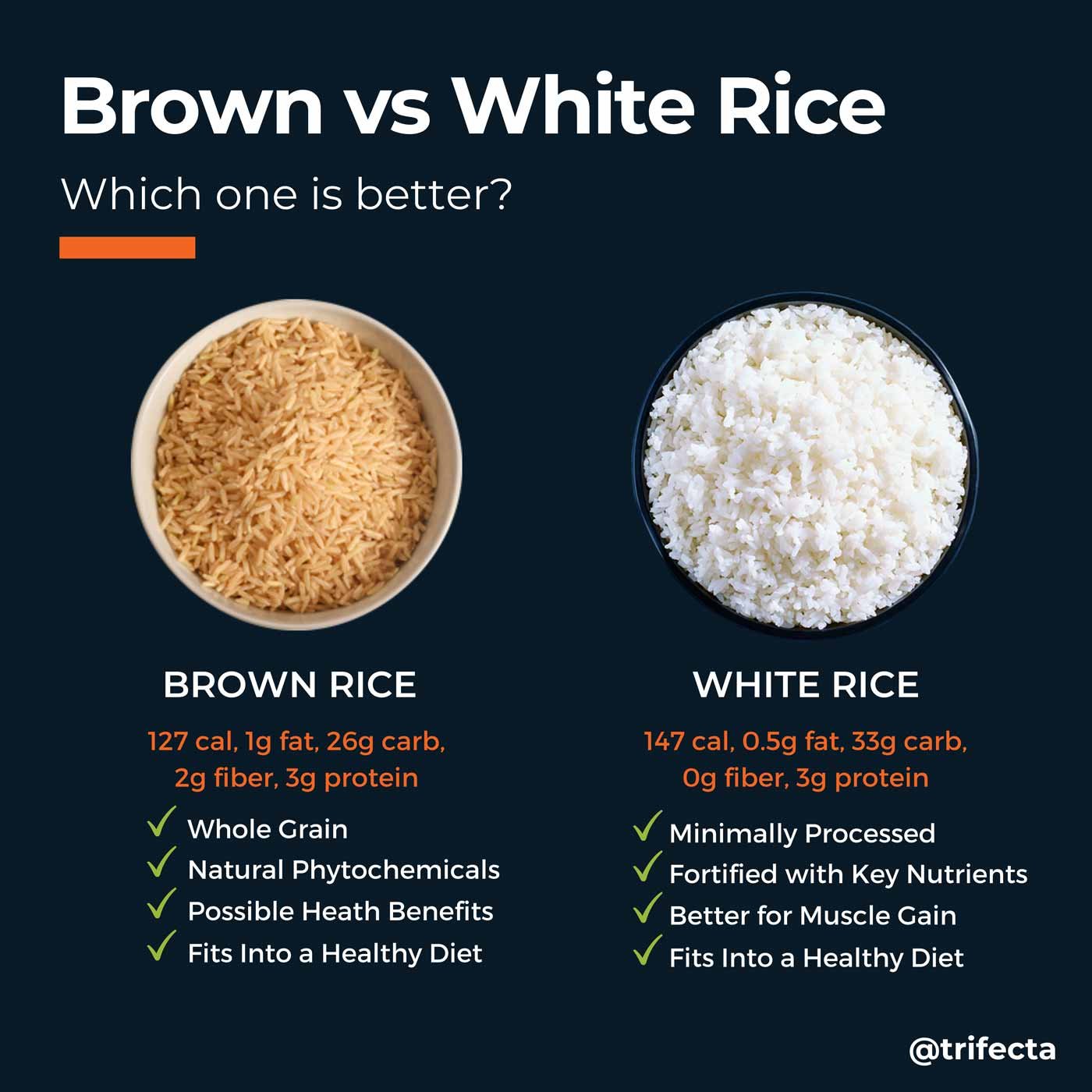
In the vast culinary landscape, few staples hold as revered a position as rice. For millennia, it has nourished civilizations, sustained cultures, and shaped cuisines across the globe. Yet, within this ubiquitous grain lies a profound dichotomy, a story of two siblings born of the same lineage but destined for vastly different fates: Brown Rice and White Rice. While often perceived as mere interchangeable carb sources, a deeper dive into their very essence reveals a stark truth. This isn’t just a matter of preference; it’s a profound nutritional narrative, a metabolic masterpiece versus a refined imitation. When the ledger of health, vitality, and long-term well-being is balanced, the verdict is unequivocal: Brown rice beats white rice every time.
To understand why this assertion holds true, we must journey into the very heart of the rice grain, unraveling its anatomy, tracing its journey from paddy to plate, and scrutinizing the scientific evidence that illuminates the profound differences between these two seemingly similar foodstuffs.
Chapter 1: The Genesis of Distinction – Anatomy and the Alchemist’s Touch
Imagine, if you will, a single grain of rice, freshly harvested from the stalk. This is the paddy rice, an unadulterated marvel of nature. Encasing its precious cargo is a tough outer husk, which is inedible and typically removed in the first stage of processing for both brown and white rice. What remains after this initial hulling is where the divergence begins – the birth of our two protagonists.
The grain that emerges, still clad in its natural layers, is brown rice. It is a whole grain, meaning it retains all three essential parts:
-
The Bran: This is the fibrous outer layer, often brown or reddish in color, that gives brown rice its distinctive hue. Far from being a mere wrapper, the bran is a nutritional powerhouse. It’s teeming with dietary fiber, B vitamins (thiamine, niacin, B6), iron, magnesium, phosphorus, and a treasure trove of antioxidants, including phenolic compounds and flavonoids. It’s the grain’s protective shield, its first line of defense against the elements, and ironically, its most significant offering to human health.
-
The Germ: Tucked away at one end of the grain, the germ is the embryo, the nascent plant. This tiny component is a concentrated source of nutrients vital for the future plant’s growth, and equally beneficial for us. It’s rich in healthy fats (essential fatty acids), Vitamin E, B vitamins, and trace minerals like selenium and zinc. The germ is where life begins, and where a significant portion of the grain’s vitality resides.
-
The Endosperm: This is the largest part of the grain, making up about 85-90% of its weight. Primarily composed of starchy carbohydrates, it serves as the food supply for the germ during germination. It contains some protein and a small amount of vitamins and minerals, but it is largely a reservoir of energy.
Now, let us turn our attention to the creation of white rice. This transformation is an act of refinement, an alchemist’s touch that, while yielding a visually appealing and faster-cooking product, strips the grain of its very soul. To produce white rice, the brown rice grain undergoes a milling process where the bran and germ layers are meticulously polished away. This harsh mechanical removal is often followed by a "polishing" stage, which further buffs the grain to a bright, uniform white.
What remains is almost exclusively the endosperm. The bran, with its abundant fiber and minerals, is gone. The germ, with its healthy fats, vitamins, and antioxidants, is gone. The result is a grain that is primarily starch, devoid of the very components that make rice a nutritional ally. While some white rice is "enriched" with synthetic B vitamins and iron to compensate for these losses, this enrichment is a poor substitute for the holistic nutrient profile of the whole grain. It’s like patching a broken dam with a few pebbles – an inadequate attempt to restore what was so wantonly discarded.
This fundamental difference in composition is the bedrock upon which the superior standing of brown rice is built. It’s not just about what white rice lacks; it’s about what brown rice retains.
Chapter 2: The Nutritional Symphony – A Cornucopia of Goodness
With its bran and germ intact, brown rice delivers a symphony of nutrients that white rice simply cannot match. This isn’t a subtle difference; it’s a chasm.
2.1 The Mighty Fiber: Gut Health and Beyond
Perhaps the most celebrated advantage of brown rice is its dietary fiber content. White rice, largely stripped of its bran, contains minimal fiber. Brown rice, on the other hand, is a significant source of both soluble and insoluble fiber.
- Insoluble Fiber: This is the "bulk" provider. It adds volume to stool, aiding in the regular movement of waste through the digestive tract. This helps prevent constipation, promotes bowel regularity, and can reduce the risk of diverticular disease and even certain types of colon cancer. By facilitating a swifter transit time, insoluble fiber minimizes the exposure of the colon to potential carcinogens.
- Soluble Fiber: While less abundant than insoluble fiber in brown rice, soluble fiber plays a crucial role. It dissolves in water to form a gel-like substance, which can help lower blood cholesterol levels by binding to cholesterol particles in the digestive tract and preventing their absorption. It also slows down the absorption of glucose, contributing to better blood sugar control.
Beyond its mechanical and cholesterol-lowering effects, fiber acts as a prebiotic, feeding the beneficial bacteria in our gut microbiome. A healthy gut microbiome is increasingly recognized as central to overall health, influencing everything from immune function and mood to nutrient absorption and even weight management. Brown rice, therefore, is not just food for us, but food for our vital internal ecosystem.


Post Comment