The Enduring Enigma: Why Health Enthusiasts are Obsessed with Durian, the Controversial Superfood
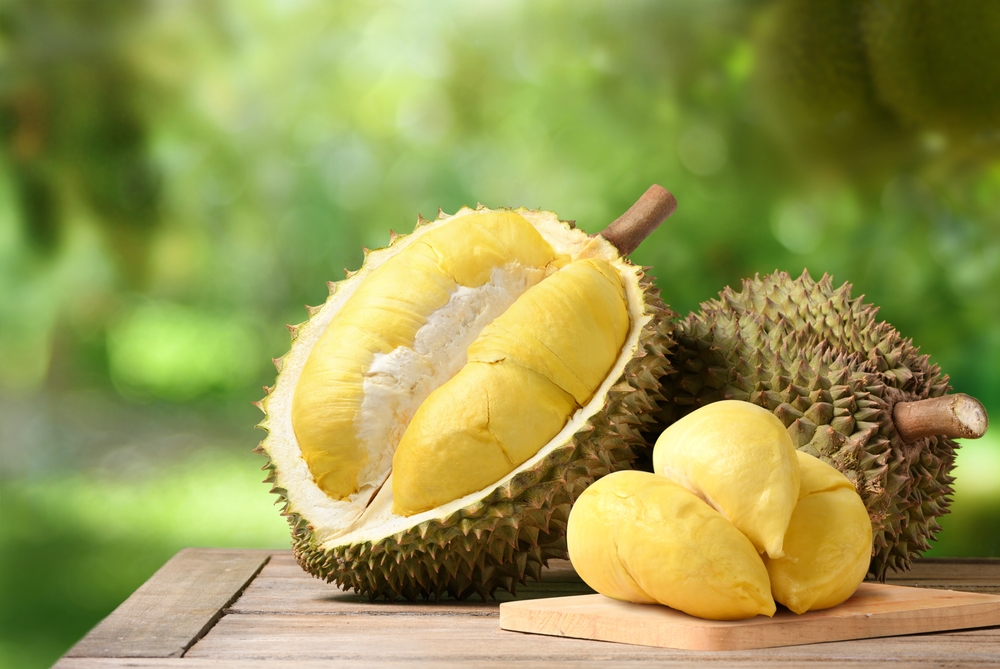
The air hangs heavy, thick with an aroma that divides rooms, polarizes opinions, and has earned it the infamous moniker: "smells like hell, tastes like heaven." For the uninitiated, the scent of durian can be an assault – a complex symphony of garlic, rotten onions, gym socks, and perhaps even a hint of turpentine, all wrapped in a sweet, custardy undertone. It’s the kind of smell that gets you banned from public transport, hotels, and even some entire countries’ airports. Yet, tucked beneath its formidable, spiky exterior and confronting perfume lies a truth that has captivated a growing legion of health enthusiasts worldwide: durian is not just a fruit; it is a superfood, a nutritional powerhouse, and for many, an undeniable obsession.
This is the story of durian, a fruit that demands attention, challenges perceptions, and ultimately rewards the brave with an experience unlike any other. It’s a narrative steeped in ancient traditions, vibrant cultures, and a modern health movement that seeks out the most potent, nutrient-dense foods on the planet, regardless of their initial shock value.
The Olfactory Gauntlet: Confronting the Scent
Before delving into the golden, creamy flesh and its myriad benefits, one must first address the elephant in the room – or rather, the durian in the air. The smell is not a myth; it is a profound reality, a biological marvel that serves both as a deterrent and an irresistible siren call. Its unique pungency is attributed to a complex cocktail of volatile organic compounds, including esters, ketones, and sulfur compounds – some of which are rarely found together in other fruits. These compounds interact to create a smell profile so distinct and potent that scientists have dedicated entire studies to unraveling its chemical signature.
For centuries, this aroma has dictated durian’s place in society. In its native Southeast Asia, where it is revered as the "King of Fruits," its smell is an accepted, if sometimes challenging, part of life. Street vendors proudly display their wares, the scent wafting for blocks, signaling the season’s bounty. Families gather to share an entire durian, meticulously cracking open its tough husk to reveal the precious pods within. But beyond these cultural strongholds, the fruit faces an uphill battle. Supermarkets in the West often sell it frozen and double-wrapped, accompanied by stern warnings. Many a curious palate has been turned away at the first whiff, unable to move past the initial shock.
Yet, for the health enthusiast, the controversy surrounding its scent becomes part of its mystique. It’s a challenge, a barrier to entry that filters out the faint of heart, leaving only those truly committed to exploring the outer limits of nutrition and culinary adventure. The initial repulsion, for many, morphs into a strange fascination, then a tolerance, and finally, for the truly converted, an intoxicating anticipation. The smell, once a deterrent, becomes the herald of an unparalleled experience.
Beyond the Stench: A Nutritional Powerhouse Unveiled
The true story of durian begins once you bypass its pungent reputation and delve into its rich, creamy interior. This is where the "superfood" status comes into play, a title not lightly bestowed, especially on a fruit that demands such an investment of sensory fortitude. Durian is an exceptionally nutrient-dense food, packing a formidable punch of vitamins, minerals, healthy fats, and unique phytochemicals that set it apart from virtually any other fruit on earth.
Gram for gram, durian often surpasses many conventional fruits in its caloric and nutrient content. A single serving can provide a significant portion of daily recommended allowances for several key nutrients. It’s particularly renowned for its exceptionally high levels of potassium, a vital electrolyte crucial for maintaining fluid balance, nerve signals, and muscle contractions, including those of the heart. For athletes and those seeking natural electrolyte replenishment, durian stands as a potent, natural alternative to processed sports drinks.
But the bounty doesn’t stop there. Durian is a treasure trove of B-complex vitamins, including Thiamin (B1), Riboflavin (B2), Niacin (B3), Pantothenic Acid (B5), Pyridoxine (B6), and Folate (B9). These vitamins are essential for a cascade of metabolic processes in the body, from energy production and red blood cell formation to nerve function and DNA synthesis. The presence of so many B vitamins contributes significantly to durian’s reputation as an energy-boosting food.
Furthermore, it boasts a substantial amount of Vitamin C, a powerful antioxidant vital for immune function, collagen synthesis, and skin health. It also contains manganese, essential for bone health and antioxidant defense; copper, critical for iron metabolism and energy production; and a decent amount of magnesium, known for its role in muscle relaxation, nerve function, and sleep quality.
Perhaps most notably for health enthusiasts, durian is rich in dietary fiber. Both soluble and insoluble fibers are present, aiding in digestive health, promoting regularity, and contributing to a feeling of satiety. This fiber content also plays a role in blood sugar regulation, making durian, despite its natural sugars, a more balanced energy source than many other high-sugar fruits.
What truly elevates durian to superfood status, however, are its unique fatty acid profile and an impressive array of phytonutrients. Unlike most fruits, durian contains a significant amount of healthy monounsaturated and polyunsaturated fats, similar to those found in avocados and nuts. These fats are crucial for hormone production, nutrient absorption (especially fat-soluble vitamins), and providing sustained energy. The specific fatty acids contribute to its rich, creamy texture and its satiating qualities.
Beyond the macronutrients and common micronutrients, durian is a biochemical marvel. It contains tryptophan, an essential amino acid and a precursor to serotonin and melatonin, neurotransmitters vital for mood regulation and sleep. This unique characteristic is often cited by enthusiasts who report improved sleep and mood after consuming durian. It also contains various antioxidants, including carotenoids, flavonoids, and polyphenols, which combat oxidative stress, reduce inflammation, and may offer protective effects against chronic diseases. The presence of organosulfur compounds, while contributing to its smell, also offers potential health benefits, including anti-inflammatory and detoxification properties.
The Allure for Health Enthusiasts: Why the Obsession?
With such a formidable nutritional profile, it becomes clearer why health enthusiasts, those constantly seeking the edge in optimizing their well-being, have become utterly captivated by durian. Their obsession is multi-faceted, rooted in both the tangible physiological benefits and the intangible, almost spiritual experience of consuming this extraordinary fruit.
A Symphony of Micronutrients: Fueling the Body at a Cellular Level
For individuals deeply invested in micronutrient optimization, durian is a goldmine. It’s not just about hitting daily quotas; it’s about providing the body with a broad spectrum of synergistic nutrients that work in concert. The high potassium content, for instance, is a major draw. In a world where processed foods often lead to an imbalance of sodium and potassium, durian offers a powerful, natural way to restore equilibrium, crucial for cardiovascular health and nerve function.
The B-vitamin complex, in particular, resonates with those focused on energy and metabolism. Many health-conscious individuals supplement with B vitamins, but durian offers them in a whole-food matrix, complete with co-factors and other compounds that enhance bioavailability. This means the body can more efficiently utilize these vitamins for energy production, cellular repair, and stress management, leading to a sustained vitality rather than a fleeting sugar rush.
The Energy Elixir: Sustained Power Without the Crash
One of the most commonly reported benefits by durian aficionados is a profound and sustained energy boost. This isn’t the jittery energy of caffeine or the fleeting spike of simple sugars. Instead, it’s a deep, foundational energy, attributed to its unique combination of healthy fats, complex carbohydrates, and comprehensive B-vitamin profile.
The fats in durian, primarily monounsaturated, provide a slow-burning fuel source that helps stabilize blood sugar levels. Coupled with its significant fiber content, the natural sugars in durian are released gradually into the bloodstream, preventing the sharp peaks and valleys associated with high-glycemic foods. This makes it an ideal food for sustained physical activity, mental focus, and overall stamina, appealing directly to athletes, biohackers, and anyone seeking to optimize their daily performance.
Digestive Dynamo: A Gut-Friendly Feast
In an era increasingly focused on gut health, durian’s substantial fiber content makes it a champion. Both soluble and insoluble fibers are crucial for a healthy digestive system. Insoluble fiber adds bulk to stool, promoting regularity and preventing constipation. Soluble fiber, on the other hand, acts as a prebiotic, feeding the beneficial bacteria in the gut microbiome. A thriving gut microbiome is linked to improved immunity, better mood, and enhanced nutrient absorption.
Many enthusiasts report improved digestion, reduced bloating, and a general sense of gut well-being after incorporating durian into their diet. For those on raw food diets or plant-based lifestyles, where digestive efficiency is often a cornerstone, durian fits perfectly into the regimen, offering both nourishment and digestive support.
Sleep, Mood, and Mind: The Tryptophan Connection
Perhaps one of the most intriguing aspects of durian for health enthusiasts is its reported impact on mood and sleep. This is largely attributed to its tryptophan content. Tryptophan is an essential amino acid that the body converts into serotonin, a neurotransmitter known for promoting feelings of well-being and happiness. Serotonin, in turn, is a precursor to melatonin, the hormone that regulates sleep-wake cycles.
Anecdotal evidence from durian lovers often speaks of a sense of calm, improved mood, and deeper, more restful sleep after consuming the fruit. For individuals struggling with stress, anxiety, or insomnia, the idea of a natural, delicious food that can contribute to mental tranquility and restorative sleep is incredibly compelling. It offers a holistic approach to well-being that resonates deeply with the health-conscious community.


Post Comment