Nature’s Custard: Why Your Body Might Actually Crave This Pungent Fruit
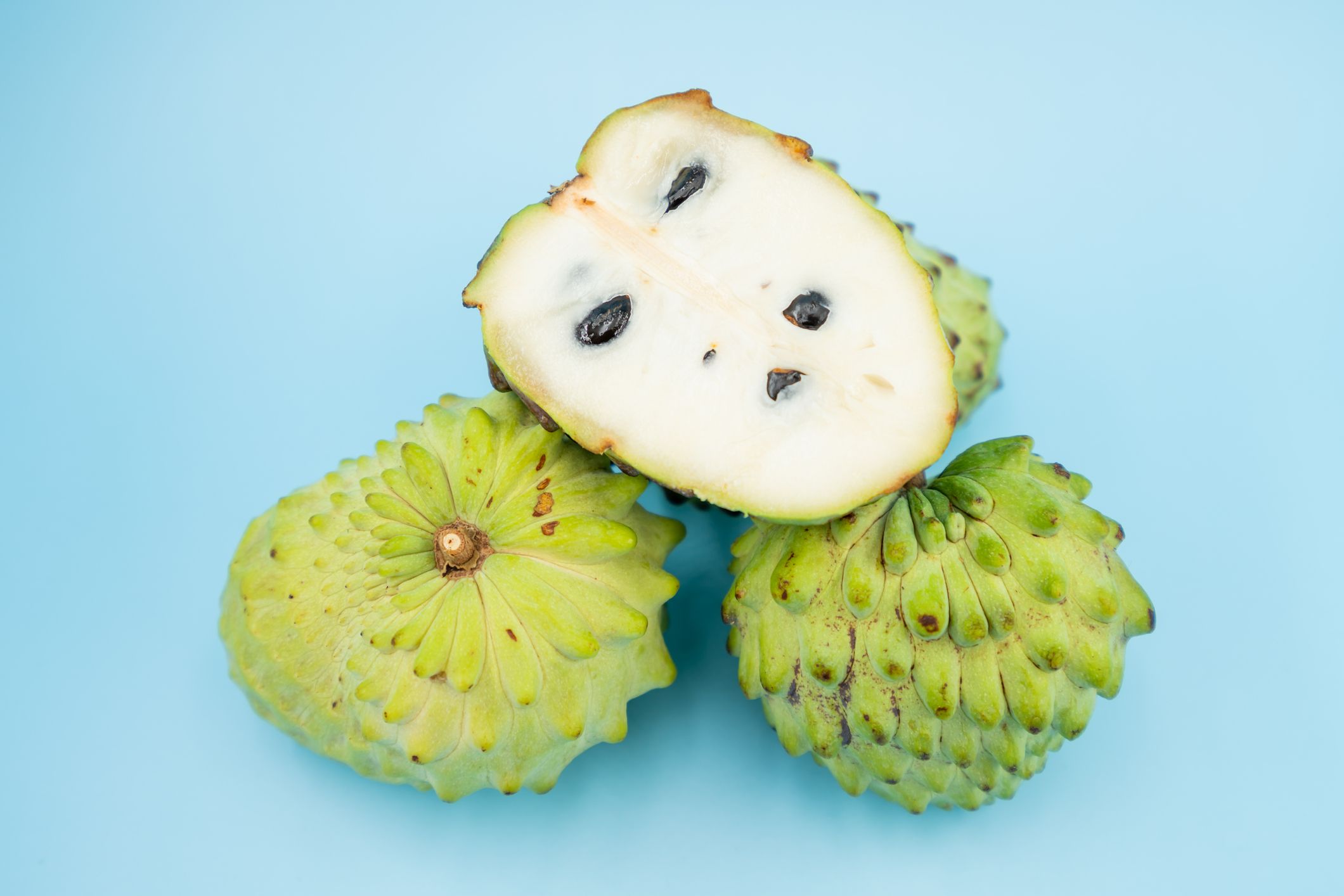
The air hangs thick, a humid shroud clinging to the skin, as you wander through a bustling Southeast Asian market. Suddenly, an olfactory assault, sharp and unmistakable, slices through the cacophony of street vendors and motorbikes. It’s a scent that divides – eliciting gasps of disgust from some, while others inhale deeply, a flicker of anticipation lighting their eyes. This, dear reader, is the herald of the durian, the notorious "King of Fruits," and the subject of our exploration into the profound, often paradoxical, nature of craving.
For the uninitiated, the durian is an enigma, a spiky, formidable fruit that guards a treasure within. Its reputation precedes it, often whispered with a mix of awe and dread: "It smells like rotting onions and gym socks," "It’s banned in hotels and public transport," "It’s an acquired taste." Yet, for millions, this very fruit is the object of an almost primal desire, a deep, undeniable craving that transcends mere hunger. It’s a culinary journey from initial repulsion to fervent addiction, a testament to the complex interplay of biology, culture, and pure, unadulterated sensory experience.
But why? Why would a body, seemingly wired for pleasure and safety, actively seek out something so outwardly challenging? Why does the memory of its unique flavour linger, compelling devotees to seek it out year after year, sometimes travelling great distances for the perfect specimen? This is the story of nature’s custard, a pungent fruit that defies easy categorization, inviting us to look beyond the surface and understand the deep-seated mechanisms that might just make your body, surprisingly, crave its audacious embrace.
The Sensory Paradox: A Symphony of Contradictions
To truly understand the durian, one must first confront its defining characteristic: its smell. It’s not merely strong; it’s a multi-layered aromatic tapestry, weaving together notes that seem utterly disparate. Imagine the sweet, almost almond-like fragrance of a ripe fruit, immediately followed by the sharp, sulfuric tang of rotten onions or garlic. Add a hint of turpentine, a whisper of old cheese, and perhaps the faint, metallic scent of something almost industrial. This is the durian’s perfume, a volatile cocktail of compounds that simultaneously repels and intrigues.
Scientifically, this olfactory masterpiece is the result of an extraordinary array of volatile organic compounds (VOCs). Researchers have identified dozens, if not hundreds, of different molecules contributing to its aroma. Key players include various esters, which lend fruity, sweet notes; thiols, notorious for their sulfurous, onion-like characteristics (think of the compounds in garlic and skunk spray); and ketones, which can add buttery or caramel nuances. It’s the sheer diversity and concentration of these compounds, often found individually in other foods, that creates the durian’s unique and overwhelming signature. This complexity, however, is not a flaw; it’s the very foundation of its allure, a challenge to the senses that, once overcome, unlocks a world of flavour.
Beyond the smell lies the texture, the "custard" in our narrative. Break open the thorny husk, and you’re met with lobes of creamy, pale-yellow flesh, often likened to a rich, unctuous custard or a dense, flavoured butter. It melts on the tongue, coating the palate with a velvety smoothness that is utterly unique. This is where the initial shock of the smell gives way to a profound sensory pleasure. The texture is intensely satisfying, a testament to its high fat content, which contributes to its luxurious mouthfeel.
And then, the taste. Oh, the taste! It is as complex as its aroma, a symphony played across the tongue. Depending on the cultivar, you might experience an initial burst of intense sweetness, followed by bitter undertones that linger pleasantly. Some varieties offer nutty notes, like roasted almonds or cashews; others evoke hints of caramel, vanilla, or even a subtle alcoholic tang. There’s often a profound umami presence, a savory depth that elevates it beyond a mere fruit. The flavour is rich, potent, and lingers long after the flesh has dissolved, a ghost of sweetness and complexity that calls you back for another bite. This combination of intense aroma, luxurious texture, and multifaceted taste creates a profound sensory experience that is both challenging and deeply rewarding, setting the stage for the craving to take hold.
A Royal Lineage: History, Culture, and the King’s Throne
The durian is not merely a fruit; it is a cultural cornerstone, deeply woven into the fabric of Southeast Asian societies for centuries, if not millennia. Evidence of its consumption dates back to prehistoric times, with indigenous communities having long recognized its value as a food source. From the jungles of Borneo to the orchards of Thailand, the durian tree has been revered, its thorny bounty eagerly anticipated during its seasonal fruiting.
It is in Southeast Asia that the durian truly reigns, earning its undisputed title as the "King of Fruits." This moniker is not merely a marketing ploy; it reflects its elevated status in local cultures. During durian season, entire communities come alive. Festivals are held, markets are flooded with varieties, and families gather to share their prized harvests. The act of sharing a durian is a communal ritual, a bond formed over the intricate process of selecting, opening, and devouring the fruit. It’s a social lubricant, a conversation starter, and a symbol of hospitality.
Beyond mere sustenance, the durian holds a significant place in traditional medicine and folklore. In many cultures, it is considered a "heaty" food, believed to generate warmth in the body. This belief often leads to the traditional practice of pairing durian with "cooling" foods, most famously the mangosteen, which is often consumed after durian to balance the body’s internal temperature. It is also traditionally considered an aphrodisiac, believed to boost vitality and energy. Legends abound, often speaking of its discovery by forest dwellers, or attributing its unique characteristics to mythical beasts and ancient spirits. These stories underscore its deep integration into the spiritual and imaginative lives of the people who cultivate and consume it.
Economically, the durian is a powerhouse. It supports countless farmers, traders, and businesses across the region. Its cultivation is a precise art, passed down through generations, with specific techniques for planting, pruning, and harvesting. The value of a good durian harvest can be substantial, providing livelihoods for entire villages. Its export market, particularly to China, has boomed in recent decades, transforming it from a regional delicacy into a global commodity, further solidifying its "royal" status on the international stage. The durian, therefore, is more than just a fruit; it is a living legend, a cultural anchor, and an economic engine, cementing its place in the hearts and minds of millions.
The Nutritional Powerhouse: Beyond the Pungency
Beneath its formidable exterior and challenging aroma, the durian harbors an impressive array of nutrients, justifying its "King" status not just in flavour and culture, but also in its nutritional profile. For those who overcome the initial sensory hurdle, the durian offers a bounty that might explain why the body, on a deeper, perhaps evolutionary level, might actually crave it.
Durian is remarkably energy-dense, largely due to its rich content of healthy fats and carbohydrates. Unlike many fruits that are primarily water and simple sugars, durian offers a substantial caloric punch. Its fats are predominantly monounsaturated and polyunsaturated, similar to those found in avocados and nuts, contributing to heart health and providing sustained energy. The carbohydrates, in the form of natural sugars, offer a quick and readily available fuel source, which in a natural foraging context, would be highly prized. This combination of fats and sugars makes it an incredibly efficient energy provider, a trait that ancestral humans would have instinctively sought out.
Beyond the macronutrients, durian is a treasure trove of vitamins and minerals. It is an excellent source of Vitamin C, a powerful antioxidant crucial for immune function and skin health. It’s particularly rich in B-complex vitamins, including B1 (thiamine), B2 (riboflavin), B6 (pyridoxine), and folate. These vitamins are vital for energy metabolism, helping the body convert food into usable energy, supporting nerve function, and red blood cell formation. This makes durian a fantastic natural energizer, contributing to overall vitality.
Mineral-wise, durian shines. It boasts high levels of potassium, essential for maintaining healthy blood pressure, fluid balance, and muscle function. Manganese, important for bone health, metabolism, and antioxidant defense, is also present in significant amounts. Copper, vital for iron absorption, collagen formation, and energy production, and magnesium, crucial for over 300 biochemical reactions in the body, including muscle and nerve function, are also found in abundance.
Perhaps most intriguing are the unique phytonutrients and antioxidants found in durian. It contains carotenoids like lutein and zeaxanthin, known for their benefits to eye health. Various polyphenols contribute to its antioxidant and anti-inflammatory properties, helping to combat oxidative stress and potentially reduce the risk of chronic diseases. And, of course, the organosulfur compounds responsible for its distinctive aroma may also confer unique health benefits, though more research is needed in this area. These compounds, often associated with detoxification pathways, could be part of the body’s unconscious draw to the fruit.
Considering this comprehensive nutritional profile – high energy, healthy fats, an array of essential vitamins and minerals, and unique phytonutrients – it’s plausible that the body, through an ancient, instinctual wisdom, recognizes durian as a valuable source of sustenance. The craving might not just be for its unique taste, but for the profound nutritional boost it provides, a natural superfood disguised by its pungent reputation.
The Science of Craving: Why We Get Hooked
The journey from aversion to addiction with durian is a fascinating psychological and physiological phenomenon. Why do some people, after an initial shudder, find themselves drawn back to it, eventually developing an intense, almost insatiable craving? The answer lies in the intricate workings of our brain’s reward system and the complex interplay of sensory perception.
Our brains are hardwired for hedonic response – the experience of pleasure. When we encounter something that stimulates our senses in a novel and intensely pleasurable way, the brain releases dopamine, a neurotransmitter associated with reward, motivation, and learning. The durian, with its extreme sensory profile, is uniquely positioned to trigger this system. The initial shock of the smell might be perceived negatively, but the subsequent explosion of creamy texture, rich sweetness, and complex flavour can override this initial aversion. The contrast itself might even amplify the pleasure, making the reward system work overtime. It’s like overcoming a challenge to reach a treasure, and the brain registers that effort and reward.
The complexity of durian’s flavour profile plays a crucial role. It’s not a simple sweet or sour; it’s a multi-dimensional experience engaging taste receptors for sweet, bitter, savory (umami), and even potentially a slight "alcoholic" or fermentative note that many describe. This depth of flavour, combined with its unique texture and aroma, creates a truly unique sensory fingerprint. The brain, constantly seeking novel and rewarding stimuli, finds itself captivated by this complexity. Each bite can reveal new nuances, keeping the experience fresh and engaging, fostering a desire for repeated encounters.
The nutrient density hypothesis offers another compelling explanation. From an evolutionary standpoint, foods that provide a quick burst of energy (carbohydrates) and sustained satiety (healthy fats) would have been incredibly valuable. Durian delivers both in spades. Our bodies are incredibly adept at recognizing and seeking out nutrient-rich foods. While we might consciously focus on taste, our subconscious might be signaling a need for the vitamins, minerals, and healthy fats that durian so generously provides. The "craving" could be a deeper biological imperative, a subtle signal from the body that it has found something exceptionally nourishing.
Is durian truly addictive? While it doesn’t fit the clinical definition of substance addiction, the intensity of the craving can feel very much like it. The dopamine release associated with its consumption can create a strong positive feedback loop. Repeated exposure, especially in a positive social context, helps to overwrite any initial negative associations. People learn to anticipate the pleasure, and this anticipation itself can trigger dopamine, further solidifying the craving. The ritual of selecting and eating durian, often a social event, also reinforces its rewarding nature, creating powerful memories and associations.
Ultimately, the craving for durian is a testament to the brain’s incredible plasticity and its capacity to find pleasure in the unexpected. It’s a journey from sensory confrontation to deep appreciation, driven by a blend of hedonic reward, complex flavour chemistry, potential nutritional signaling, and the powerful influence of context and learned experience. For many, the durian becomes more than just a fruit; it becomes an experience that their body, surprisingly and passionately, begins to demand.
From Orchard to Global Palate: Cultivation and Varieties
The journey of the durian, from a humble seed to the celebrated "King of Fruits," is a testament to dedicated cultivation and the incredible diversity within its species. Growing durian is not for the impatient; trees can take 5-10 years to bear fruit, requiring specific climatic conditions, fertile soil, and meticulous care. They thrive in hot, humid tropical environments, with distinct wet and dry seasons, making Southeast Asia their natural heartland. Farmers carefully manage their orchards, pruning trees, controlling pests, and ensuring adequate water and nutrients to produce the best possible yield.


Post Comment