Stinky but Healthy: Why You Should Look Past the Scent of Durian
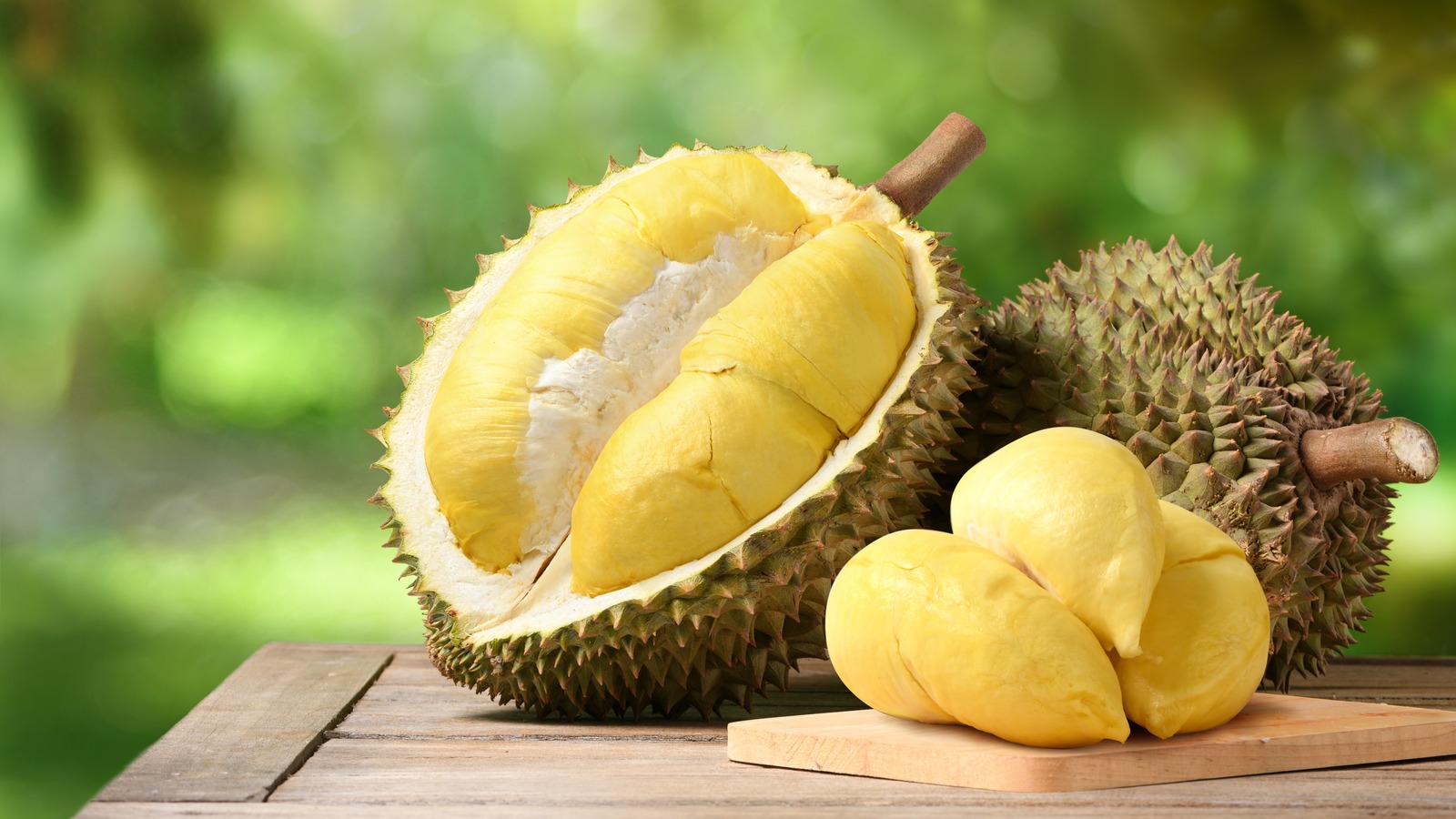
The first encounter is rarely neutral. It’s an ambush of the senses, a frontal assault on the olfactory system that leaves no room for polite indifference. For some, it’s a visceral recoiling, a gag reflex triggered by an odor that conjures images of rotten onions, stale gym socks, and a faint, unsettling sweetness mingled with sulfur. For others, it’s a perplexing curiosity, an alien perfume that hints at something deeper, something profoundly unique. This, my friends, is the durian – the undisputed, often polarizing, King of Fruits.
To speak of durian is to step into a realm of paradox. It is a fruit so notoriously pungent that it is banned from public transport, hotels, and even some airlines across Southeast Asia. Yet, it is simultaneously revered, celebrated, and commands prices that would make other fruits blush. It is a delicacy, an obsession, a cultural touchstone that defines a significant part of the culinary landscape for millions. But beyond the polarizing aroma and the ecstatic adoration (or profound repulsion) lies a treasure trove of nutritional benefits, a testament to nature’s capacity for wrapping its greatest gifts in the most unexpected packaging. This article embarks on a journey to unravel the mystique of the durian, to delve past its infamous scent and explore why this "stinky" fruit is, in fact, remarkably healthy, and why embracing its complexity is to embrace a deeper understanding of food, culture, and our own adventurous palates.
The Olfactory Gauntlet: Deconstructing the Durian’s Scent
Before we can laud its virtues, we must confront the elephant in the room – or rather, the durian in the air. The smell is not just strong; it’s an orchestra of volatile organic compounds, each playing its part in a symphony that can be both horrifying and alluring. Scientists have identified dozens of compounds responsible for durian’s unique bouquet, including esters, ketones, thiols, and sulfides. These are the same compounds found in everything from rotten eggs (sulfides) and onions (thiols) to caramel (esters) and fruity notes (ketones). It’s this complex interplay, this delicate balance of the seemingly repulsive and the undeniably appealing, that creates its signature aroma.
Imagine entering a room where someone has just opened a durian. The initial wave might be a sharp, onion-like pungency, followed by a sweet, almost fermented fruitiness. Then, perhaps, a hint of garlic or even a metallic tang. This multi-layered assault on the nose is precisely why people have such extreme reactions. Our brains are hardwired to interpret strong, unusual smells as potential dangers – spoiled food, toxic substances. The durian, however, challenges this primal instinct, presenting a scent profile that simultaneously triggers alarm and curiosity.
For the uninitiated, the scent is often the primary barrier. It’s a gatekeeper, demanding a certain level of commitment, a willingness to push past preconceived notions. But for those who venture beyond, the reward is a taste experience so profound and multifaceted that it often defies description. The smell, therefore, is not merely an inconvenience; it’s an intrinsic part of the durian experience, a necessary prelude to the culinary drama that unfolds once the thorny husk is breached. It’s a test of faith, a culinary dare that, if accepted, promises an unforgettable journey.
A Royal Lineage: Durian’s Ancient Roots and Cultural Crown
The durian, Durio zibethinus and its many relatives, traces its origins back to the rainforests of Southeast Asia, particularly the Malay Archipelago, Borneo, and Sumatra. Its presence in the region is ancient, predating recorded history. Indigenous communities have harvested and consumed durian for millennia, long before it caught the attention of European naturalists. The name itself, "durian," is derived from the Malay word "duri," meaning thorn, a clear reference to its formidable, spiky exterior.
Early European explorers and naturalists were both fascinated and repulsed by the fruit. Alfred Russel Wallace, the co-discoverer of the theory of evolution by natural selection, famously described the durian in his 1856 work, The Malay Archipelago, as possessing a "rich, cream-like, delicious flavour, no other fruit can equal," while also acknowledging its "strong, peculiar odour." His nuanced description perfectly encapsulates the fruit’s dichotomous nature, cementing its place in the annals of exotic food literature.
Over centuries, durian cultivation spread across Southeast Asia, becoming deeply embedded in the cultural fabric of countries like Malaysia, Indonesia, Thailand, and the Philippines. It is not merely a fruit; it is a symbol of abundance, a harbinger of prosperity, and a centerpiece of social gatherings. Durian season is a cause for celebration, a time when families and friends gather to share the prized fruit, discussing its varieties, nuances, and merits with an almost religious fervor. This deep cultural reverence, passed down through generations, highlights that for millions, the smell is not a deterrent but an invitation – an aromatic promise of the delights within.
The Taste of Royalty: A Symphony for the Palate
Once the thorny armor is cracked open and the creamy, yellowish pods are revealed, the true magic of the durian begins. The taste is as complex and varied as its smell, defying simple categorization. It’s often described as a custard-like texture, rich and buttery, with an incredibly smooth mouthfeel that can sometimes be fibrous depending on the variety. But it’s the flavor profile that truly sets it apart.
Imagine a blend of sweet almond, savory onion, rich cream cheese, and a hint of caramel, all underscored by a subtle bitterness that adds depth. Some varieties lean towards an intense sweetness, others towards a more pronounced bitterness, often with alcoholic undertones as the fruit ferments slightly. The famed Musang King (D197) from Malaysia, for instance, is celebrated for its perfect balance of sweetness and bitterness, its deep yellow flesh melting in the mouth. Thailand’s Monthong (Golden Pillow) is sweeter and less pungent, a popular entry point for newcomers. Black Thorn (D200), another Malaysian gem, offers a reddish-orange flesh with a rich, complex, almost wine-like flavor.
The taste experience is holistic: the initial sweet burst, followed by nutty undertones, a creamy lingering sensation, and often, a subtle aftertaste that can range from savory to almost garlicky. This umami-rich profile is what makes durian so incredibly satisfying and addictive for its devotees. It’s a fruit that engages every taste bud, creating a multi-dimensional flavor experience that, once acquired, becomes a benchmark against which other fruits are often measured. To truly appreciate durian, one must surrender to this complexity, allowing the distinct flavors to unfold and reveal their intricate dance on the palate.
The Nutritional Powerhouse: Stinky, But Incredibly Healthy
Now, we arrive at the crux of our argument: the profound health benefits hidden beneath that formidable husk and controversial aroma. Far from being an empty calorie bomb, durian is a nutritional marvel, packed with vitamins, minerals, fiber, and potent bioactive compounds that contribute to overall well-being. For the knowledgeable audience, it’s not enough to say "it’s healthy"; we must delve into the specifics.
1. A Spectrum of Vitamins:
-
Vitamin C: Durian is an excellent source of Vitamin C, a powerful antioxidant essential for immune system function, collagen synthesis (for healthy skin, bones, and blood vessels), and protecting cells from oxidative damage caused by free radicals. A serving of durian can contribute significantly to your daily Vitamin C requirements.
-
B-Vitamins (The Energy Boosters): This is where durian truly shines. It’s rich in several B-vitamins, each playing a crucial role in bodily functions:
- Thiamine (B1): Essential for carbohydrate metabolism, converting food into energy, and nerve function.
- Riboflavin (B2): Involved in energy production, cellular growth, and the metabolism of fats, drugs, and steroids.
- Niacin (B3): Supports digestive function, skin health, and nerve function. It’s also involved in over 200 enzymatic reactions.
- Pantothenic Acid (B5): Crucial for the synthesis of coenzyme A, which is involved in fatty acid metabolism and the production of hormones.
- Pyridoxine (B6): Vital for brain development, nerve function, and the production of serotonin and norepinephrine, hormones that influence mood. It also helps the body make melatonin, which is important for sleep.


Post Comment