Beyond the Bubble Tea: The Surprising Health Profile of Taro Root
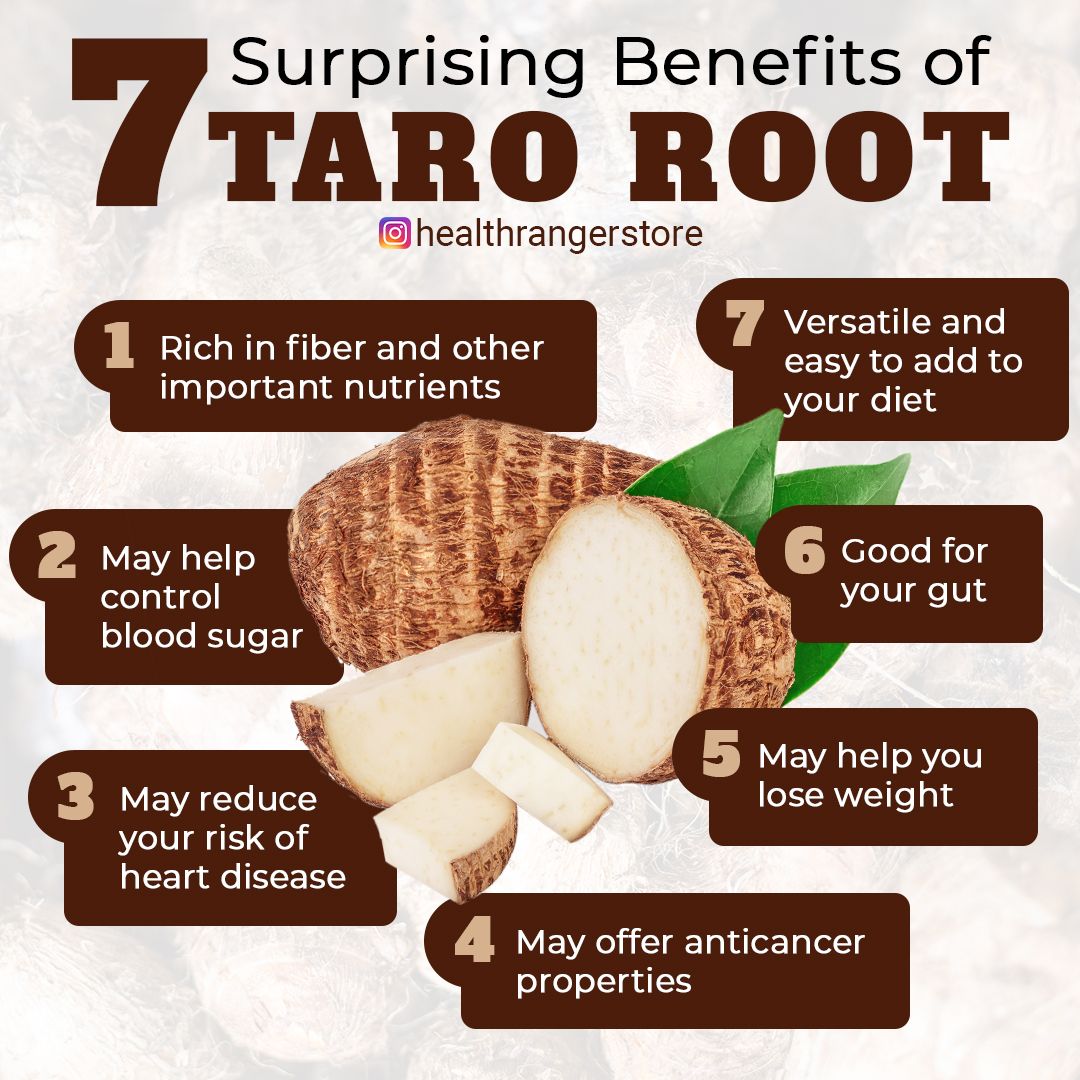
For many, the mention of taro conjures images of vibrant purple beverages, sweet desserts, or perhaps the creamy texture of a trendy bubble tea. It’s a flavor profile that has captivated the modern palate, often associated with a somewhat exotic, indulgent treat. Yet, beneath this contemporary veneer lies a history stretching back millennia, a story of survival, sustenance, and profound nutritional depth that far transcends its current pop culture status. Taro root (Colocasia esculenta), an ancient tuber, is an unsung hero of global agriculture, a resilient crop that has nourished civilizations across continents. Its journey from a staple food in ancient diets to a modern culinary curiosity is a testament to its enduring versatility.
This article aims to peel back the layers of perception, moving "beyond the bubble tea" to uncover the truly surprising and remarkably robust health profile of taro root. For the knowledgeable audience, we will delve into its macro- and micronutrient composition, explore its unique phytochemical arsenal, and articulate the profound implications these have for human health, from glycemic control to gut microbiome support. This is the story of a root that deserves far more than a fleeting moment of culinary fame; it is the narrative of a nutritional powerhouse, a testament to traditional wisdom, and a potential key player in future food security and public health.
The Ancestral Legacy: A Culinary and Cultural Tapestry
Our story begins not in a modern café, but in the humid tropics of Southeast Asia, where taro is believed to have originated over 10,000 years ago. From there, it embarked on an epic journey, carried by intrepid voyagers and migrating communities across the Pacific, Indian, and Atlantic oceans. It became a cornerstone crop in Oceania, where it formed the basis of traditional Polynesian diets, famously processed into poi in Hawaii – a fermented, probiotic-rich paste. In West Africa, it transformed into fufu, a resilient staple. In the Caribbean, it’s known as dasheen or malanga, gracing stews and fried dishes. In East Asia, it’s satoimo or gabi, integral to soups and stir-fries.
This global dissemination speaks volumes about taro’s inherent value. It was more than just a food source; it was a cultural anchor, a symbol of resilience, and a vital component of sustainable agricultural systems. Its ability to thrive in diverse environments, from flooded paddy fields to upland terraces, made it a reliable source of calories when other crops failed. For millennia, indigenous communities understood, through empirical observation and inherited wisdom, that taro provided not just energy but also sustained well-being. This traditional knowledge, often dismissed in the face of modern nutritional science, is now being validated by scientific inquiry, revealing a complex nutritional matrix that justifies its ancestral reverence.
Deconstructing the Macro-Nutrient Matrix: More Than Just "Carbs"
At its core, taro root is a carbohydrate-rich food, a fact that might initially raise an eyebrow for those wary of high-carb diets. However, to simply categorize it as "carbs" would be a disservice to its nuanced composition. The quality and type of carbohydrates in taro are precisely what make its health profile so compelling and, indeed, surprising.
-
Complex Carbohydrates and Resistant Starch: Unlike simple sugars that lead to rapid blood glucose spikes, taro is predominantly composed of complex carbohydrates. Crucially, a significant portion of these carbohydrates exists as resistant starch. Resistant starch, as the name implies, resists digestion in the small intestine and instead travels to the large intestine, where it acts as a fermentable fiber.
- The Gut Microbiome’s Feast: For a knowledgeable audience, the implications of resistant starch are profound. In the colon, resistant starch becomes a potent prebiotic, serving as nourishment for beneficial gut bacteria, such as Bifidobacteria and Lactobacilli. The fermentation process yields short-chain fatty acids (SCFAs), primarily acetate, propionate, and butyrate. Butyrate, in particular, is a superstar SCFA, providing the primary energy source for colonocytes (cells lining the colon), maintaining gut barrier integrity, reducing inflammation, and potentially playing a role in preventing colorectal cancer.
- Glycemic Control: The presence of resistant starch also significantly impacts taro’s glycemic response. It slows down the absorption of glucose into the bloodstream, leading to a more gradual and sustained rise in blood sugar levels, followed by a gentler decline. This makes taro a potentially valuable food for individuals managing diabetes or seeking to stabilize blood sugar. Studies have shown that resistant starch can improve insulin sensitivity, a key factor in preventing and managing type 2 diabetes.
- Satiety and Weight Management: The slow digestion of resistant starch and the bulk provided by fiber contribute to increased satiety, meaning a longer feeling of fullness after meals. This can be a critical factor in managing appetite and supporting healthy weight management strategies, challenging the simplistic notion that all carbohydrates contribute equally to weight gain.
-
Dietary Fiber: The Unsung Digestive Hero: Beyond resistant starch, taro root is an excellent source of dietary fiber, encompassing both soluble and insoluble forms.
- Soluble Fiber: This type of fiber dissolves in water, forming a gel-like substance in the digestive tract. It plays a crucial role in lowering blood cholesterol levels by binding to bile acids and facilitating their excretion. It also contributes to blood sugar regulation by slowing glucose absorption and promoting a healthy gut environment.
- Insoluble Fiber: This fiber does not dissolve in water but adds bulk to stool, promoting regular bowel movements and preventing constipation. It aids in the smooth passage of food through the digestive system, contributing to overall gut health.
The synergistic action of these fiber types underscores taro’s role as a digestive health champion, offering benefits far beyond mere regularity.
-
Modest Protein, Healthy Fats: While not a primary protein source, taro root does contain a modest amount of plant-based protein (around 1.5-2 grams per 100 grams). When consumed as part of a varied diet, this contributes to overall protein intake. Its fat content is negligible, and what little fat it does contain is primarily healthy unsaturated fatty acids.



Post Comment