The Nitrate Effect: How Beetroots Orchestrate a Symphony for Healthy Blood Pressure
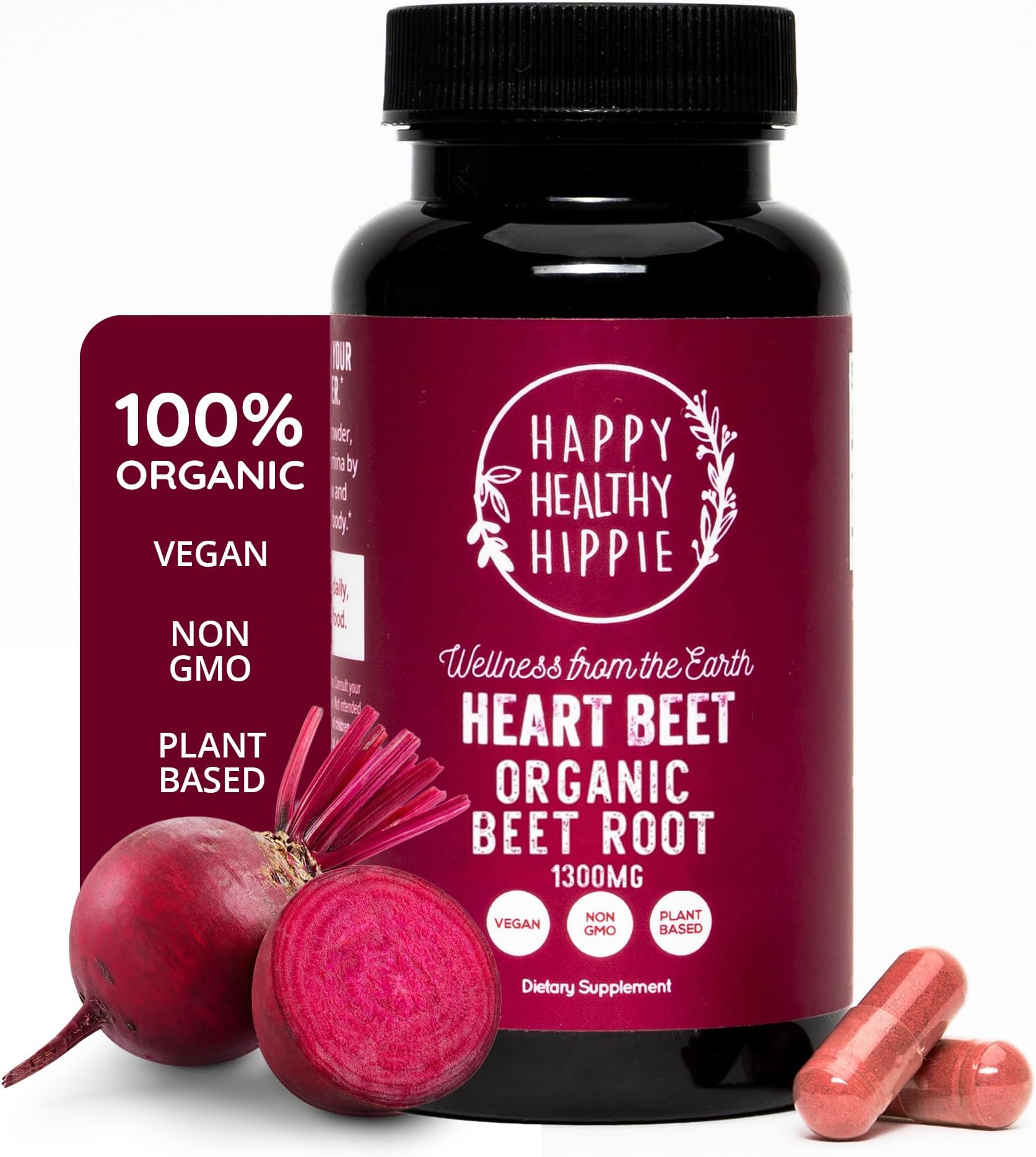
In the grand narrative of human health, where complex biochemical pathways and lifestyle choices intertwine, there often emerge simple, unassuming heroes. Among these, the humble beetroot, with its earthy aroma and vibrant crimson hue, has quietly ascended from a garden staple to a potent symbol of natural wellness. For centuries, it graced tables, primarily valued for its flavor and color. Yet, beneath its unassuming exterior lay a secret, a profound biochemical ability that science is only now fully unraveling: its remarkable capacity to support healthy blood pressure through what we’ve come to call "The Nitrate Effect."
This isn’t merely a tale of a vegetable; it’s a story of a silent epidemic—hypertension—and a surprising natural ally that leverages our body’s own intricate systems to restore balance. It’s a journey from the ancient fields where beets first grew, through the microscopic world of our oral microbiome, to the elegant dance of molecules within our arteries, culminating in a deeper understanding of how diet can profoundly influence our cardiovascular destiny.
Chapter 1: The Silent Epidemic – Understanding the Pressure
Before we delve into the beetroot’s magic, it’s crucial to understand the antagonist in our story: hypertension, or high blood pressure. Often dubbed the "silent killer," it rarely presents with overt symptoms until it has already begun to wreak havoc on the body. Yet, its prevalence is staggering, affecting an estimated one in three adults globally, with many more teetering on the brink of pre-hypertension.
Blood pressure is the force exerted by circulating blood against the walls of the body’s arteries, the major blood vessels. It’s measured in millimeters of mercury (mmHg) and expressed as two numbers: systolic (the pressure when the heart beats) over diastolic (the pressure when the heart rests between beats). Optimal blood pressure is typically considered to be around 120/80 mmHg. When these numbers consistently climb above 130/80 mmHg, the diagnosis of hypertension usually follows.
The dangers of sustained high blood pressure are manifold and devastating. It forces the heart to work harder, leading to hypertrophy (enlargement) and eventual failure. It stiffens and damages arteries, making them more susceptible to plaque formation (atherosclerosis), which can lead to heart attacks and strokes. It impairs kidney function, damages the delicate vessels of the eyes, and can contribute to cognitive decline and even dementia. In essence, hypertension accelerates the aging process of our vascular system, eroding the very pathways that deliver life-sustaining oxygen and nutrients to every cell.
The causes are often multifactorial: genetics, age, obesity, physical inactivity, excessive salt intake, stress, and certain chronic conditions. While pharmaceutical interventions are often necessary and life-saving, the quest for natural, sustainable, and complementary strategies to manage and prevent hypertension remains a critical frontier in public health. It is into this landscape that the beetroot, with its unique biochemical payload, steps onto the stage.
Chapter 2: The Unsung Hero’s Journey – From Ancient Root to Modern Revelation
The beetroot (Beta vulgaris) has a long and storied history, though its cardiovascular benefits are a relatively recent discovery. Originating in prehistoric North Africa and parts of Asia, its leaves were initially prized, with the root only gaining culinary prominence during the Roman era. Throughout the Middle Ages, it was used for a variety of medicinal purposes, from treating digestive ailments to acting as an aphrodisiac. Its vibrant pigment, betanin, also made it a popular natural dye.
For centuries, its role in diet and folk medicine remained largely static. It was seen as a wholesome vegetable, rich in vitamins and minerals, a good source of fiber, and a natural sweetener (indeed, sugar beet is a variety of Beta vulgaris). However, its specific impact on blood pressure was largely overlooked, masked by the broader understanding of a healthy diet.
The true "re-discovery" of the beetroot as a cardiovascular powerhouse began to emerge in the late 20th and early 21st centuries. Scientists, intrigued by the growing understanding of nitric oxide (NO) as a critical signaling molecule in the cardiovascular system, began to explore dietary sources that could enhance its production. NO, a potent vasodilator, was known to relax and widen blood vessels, thereby improving blood flow and reducing pressure. The challenge was how to naturally increase its bioavailability in the body.
This scientific quest led researchers to examine a class of compounds known as nitrates. While often associated with processed meats and a negative health connotation, dietary nitrates found naturally in vegetables presented a different story. And among the leafy greens and root vegetables analyzed, beetroot consistently emerged as an exceptionally rich source. This realization marked a pivotal moment, shifting the perception of beetroot from a mere nutritional component to a functional food with specific therapeutic potential. The journey from ancient root to modern revelation was complete, laying the groundwork for understanding "The Nitrate Effect."
Chapter 3: The Nitrate Effect – A Symphony of Molecules and Microbes
At the heart of beetroot’s blood pressure-lowering prowess lies a fascinating biochemical pathway, an elegant interplay between dietary compounds, our body’s own enzymes, and surprisingly, the microbial residents of our mouths. This is the Nitrate-Nitrite-Nitric Oxide (NO) pathway, a non-classical route for NO production that bypasses the traditional L-arginine pathway, which can become impaired in conditions like hypertension.
Step 1: Dietary Nitrate (NO3-) Intake:
When we consume beetroot, either whole, juiced, or powdered, we ingest a significant amount of inorganic nitrate (NO3-). Beetroots are particularly rich in this compound, often containing 10 to 100 times more nitrate than other vegetables.
Step 2: The Oral Microbiome’s Crucial Role – Reduction to Nitrite (NO2-):
This is where the story takes an unexpected turn, highlighting the profound connection between our diet and our microbiome. Once swallowed, about 25% of the ingested nitrate is absorbed into the bloodstream, circulated, and then actively concentrated in our saliva. As this nitrate-rich saliva washes over the tongue and oral cavity, specific anaerobic bacteria residing in the crypts of our tongue and gums come into play. These commensal bacteria possess nitrate reductase enzymes, which efficiently convert nitrate (NO3-) into nitrite (NO2-). This step is absolutely critical; without a healthy oral microbiome, the Nitrate Effect is significantly diminished. This is why practices like excessive use of antibacterial mouthwashes can inadvertently interfere with this beneficial pathway.
Step 3: Acidic Conversion in the Stomach and Systemic Distribution:
The nitrite-rich saliva is then swallowed. Upon reaching the acidic environment of the stomach, some of the nitrite (NO2-) is immediately converted into nitric oxide (NO) and other nitrogen oxides. The remaining nitrite is absorbed into the bloodstream, where it circulates throughout the body.
Step 4: Nitrite to Nitric Oxide (NO) – The Master Vasodilator:
Once in the circulation, nitrite acts as a physiological reservoir for NO. Under various conditions, particularly in areas of low oxygen (hypoxia) or low pH (acidosis), endogenous enzymes such as deoxygenated hemoglobin, myoglobin, xanthine oxidoreductase, and components of the mitochondrial electron transport chain can further reduce nitrite (NO2-) to nitric oxide (NO).
The Magic of Nitric Oxide (NO):
Nitric oxide is a gaseous signaling molecule, a true "molecular messenger." Its primary role in the cardiovascular system is to induce vasodilation – the relaxation and widening of blood vessels. It achieves this by activating an enzyme called soluble guanylate cyclase (sGC) within the smooth muscle cells of the arterial walls. This activation leads to the production of cyclic guanosine monophosphate (cGMP), which then triggers a cascade of events resulting in the relaxation of the smooth muscle cells and, consequently, the dilation of the arteries.
This widening of the blood vessels has several profound effects on blood pressure:
- Reduced Peripheral Resistance: With wider vessels, there is less resistance to blood flow, akin to a wider pipe allowing water to flow more freely. This directly lowers blood pressure.
- Improved Blood Flow: Enhanced vasodilation means better perfusion of oxygen and nutrients to all tissues and organs, including the heart, brain, and muscles.
- Endothelial Health: NO is crucial for maintaining the health and integrity of the endothelium, the delicate inner lining of blood vessels. Endothelial dysfunction is a hallmark of hypertension and atherosclerosis. By promoting NO production, beetroots help restore and protect this vital layer.


Post Comment