Beyond the Bubble Tea: The Surprising Health Profile of Taro Root
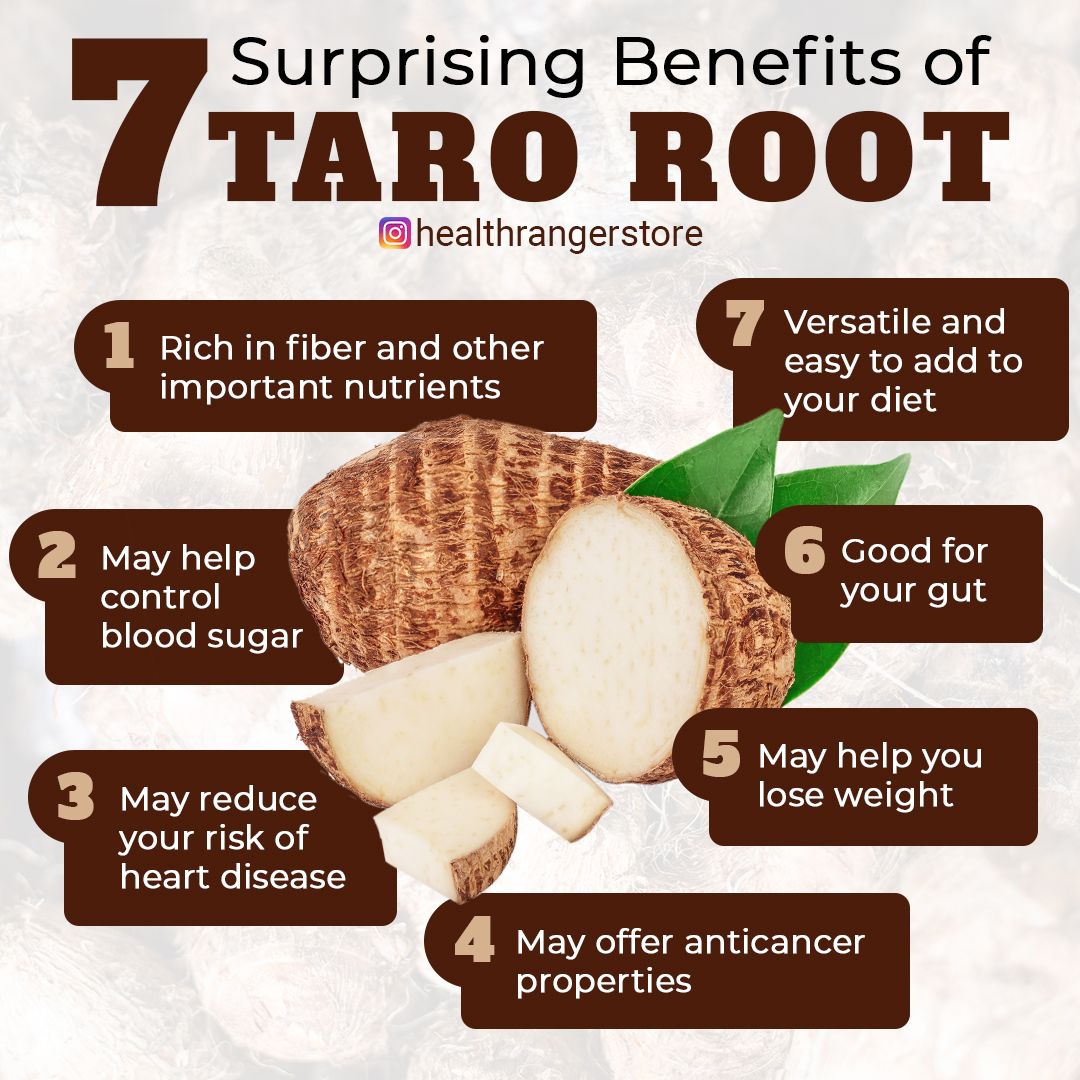
In the vibrant tapestry of global cuisine, certain ingredients carve out a unique niche, often becoming synonymous with a specific dish or trend. For many in the Western world, taro root (Colocasia esculenta) exists primarily as the pastel-purple, subtly sweet, and slightly nutty flavor that defines their favorite bubble tea. It’s a delightful, comforting, and undeniably Instagrammable component of a beloved beverage. Yet, to confine taro to the realm of a trendy drink additive is to vastly underestimate its profound history, cultural significance, and, most surprisingly, its formidable health profile.
This humble, starchy corm, often mistaken for a potato or yam, is in fact an ancient superfood, a foundational staple for millions across Asia, Africa, and the Pacific Islands for millennia. It is a testament to human ingenuity and traditional wisdom that a plant requiring careful preparation due to its raw toxicity has not only been domesticated but has thrived as a cornerstone of sustenance. Our journey into the world of taro root will peel back its rough, earthy skin to reveal a treasure trove of nutritional benefits, a complex interplay of macronutrients, micronutrients, and potent phytochemicals that position it far beyond its role in a sweet drink. We will uncover the stories it tells, the health advantages it offers, and the surprising scientific backing for its esteemed place in traditional diets.
The Humble Giant: Unearthing Taro’s Ancient Roots and Identity
To truly appreciate taro’s health profile, we must first understand its origins and botanical identity. Colocasia esculenta, commonly known as taro, eddoe, dasheen, or kalo (in Hawaii), belongs to the Araceae family, which also includes other well-known ornamental plants like philodendrons and peace lilies. Its defining characteristic is the large, heart-shaped leaves that can grow up to several feet long, and the edible corms (underground stems) that are the primary focus of human consumption.
Taro is believed to have originated in Southeast Asia, likely in the Indo-Malayan region, and its cultivation dates back over 10,000 years. From there, it spread through migration and trade routes, becoming a vital crop in diverse ecosystems. In the Pacific Islands, taro arrived with the earliest Polynesian voyagers, who painstakingly transported its corms across vast oceans, recognizing its unparalleled value as a resilient and nourishing food source. In Hawaii, taro (kalo) is revered as a sacred ancestor, a source of life and identity, embodying the deep connection between the land and its people. The traditional Hawaiian dish poi, a fermented paste made from cooked and pounded taro, is not just food; it is a cultural anchor, a symbol of health and heritage.
Cultivation varies widely depending on the region. Wetland taro thrives in flooded conditions, similar to rice paddies, producing large corms. Upland taro, on the other hand, grows in drier environments, yielding smaller corms often referred to as eddoes. The versatility of its cultivation methods speaks to its adaptability and resilience, qualities that have ensured its survival and prevalence across diverse climates and agricultural systems.
But what makes taro unique, and sometimes challenging, is the presence of calcium oxalate crystals in its raw form. These needle-like crystals cause an unpleasant itching and burning sensation when ingested raw, acting as a natural defense mechanism. This is why traditional preparation methods, involving thorough cooking (boiling, steaming, baking, frying), are crucial not just for palatability but for safety, effectively neutralizing these irritants and unlocking the corm’s full nutritional potential. This necessity for careful preparation, rather than deterring its use, solidified indigenous knowledge systems around food processing, making its consumption a testament to ancestral wisdom.
The Macronutrient Matrix: More Than Just Starch
At its core, taro root is a starchy vegetable, and carbohydrates form the bulk of its caloric content. However, to label it merely as a “carb” would be to overlook the nuanced and surprisingly beneficial nature of these carbohydrates, alongside its significant contributions of dietary fiber and a respectable protein profile.
Carbohydrates: The Power of Resistant Starch
Approximately 70-80% of taro’s dry weight is carbohydrates, making it an excellent energy source. But here’s where the "surprise" truly begins. Unlike many common starchy vegetables where most starches are readily digested into glucose, taro boasts a remarkably high content of resistant starch.
Resistant starch (RS) is a type of starch that, as its name suggests, resists digestion in the small intestine. Instead, it travels largely intact to the large intestine, where it acts as a fermentable substrate for beneficial gut bacteria. This classification places taro alongside legumes, green bananas, and cooked-then-cooled potatoes as a significant source of this powerful compound.
There are several types of resistant starch, and taro contains a mix. The processing (cooking and cooling) can even increase its RS content. When our gut bacteria ferment RS, they produce short-chain fatty acids (SCFAs), primarily acetate, propionate, and butyrate. Butyrate, in particular, is a hero molecule for gut health. It serves as the primary fuel source for the cells lining the colon (colonocytes), helping to maintain the integrity of the gut barrier, reduce inflammation, and potentially inhibit the growth of harmful bacteria.
The implications of this high resistant starch content are profound:
- Glycemic Control: Because RS isn’t broken down into glucose in the small intestine, it has a lower impact on blood sugar levels compared to rapidly digestible starches. This makes taro a potentially valuable food for individuals managing diabetes or seeking to stabilize blood glucose. Its lower glycemic index (GI) compared to white rice or potatoes contributes to sustained energy release rather than sharp spikes and crashes.
- Satiety: Foods rich in resistant starch and fiber tend to promote feelings of fullness, which can aid in weight management by reducing overall calorie intake.
- Gut Microbiome Modulation: By feeding beneficial bacteria, taro’s resistant starch actively shapes a healthier gut microbiome. A diverse and balanced microbiome is linked to everything from improved digestion and nutrient absorption to enhanced immune function and even mental well-being.
Dietary Fiber: The Unsung Hero
Beyond resistant starch, taro is an excellent source of total dietary fiber, offering both soluble and insoluble components. A single serving can provide a substantial portion of the recommended daily intake.
- Insoluble Fiber: This type of fiber adds bulk to stool, facilitating regular bowel movements and preventing constipation. It acts like a broom, sweeping waste through the digestive tract.
- Soluble Fiber: This fiber dissolves in water to form a gel-like substance. It can help lower blood cholesterol levels by binding to cholesterol particles and preventing their absorption. It also slows down glucose absorption, further contributing to blood sugar stability. Moreover, soluble fiber acts as a prebiotic, feeding the beneficial bacteria in the gut, much like resistant starch.
The combined power of resistant starch and dietary fiber makes taro a gut health champion, fostering a thriving internal ecosystem that underpins overall wellness.
Protein: A Modest but Quality Contribution
While not a primary protein source like meat or legumes, taro root offers a respectable amount of plant-based protein for a root vegetable, typically around 1.5-2 grams per 100 grams. What’s particularly noteworthy is its amino acid profile. Taro contains a good balance of essential amino acids, making its protein quality higher than many other staple root crops. For communities relying heavily on plant-based diets, this contribution, when combined with other plant foods, can be significant in meeting daily protein requirements.
Fats: Negligible


Post Comment