Why Leeks Deserve the Superfood Spotlight: A Story of Unsung Nutritional Heroism
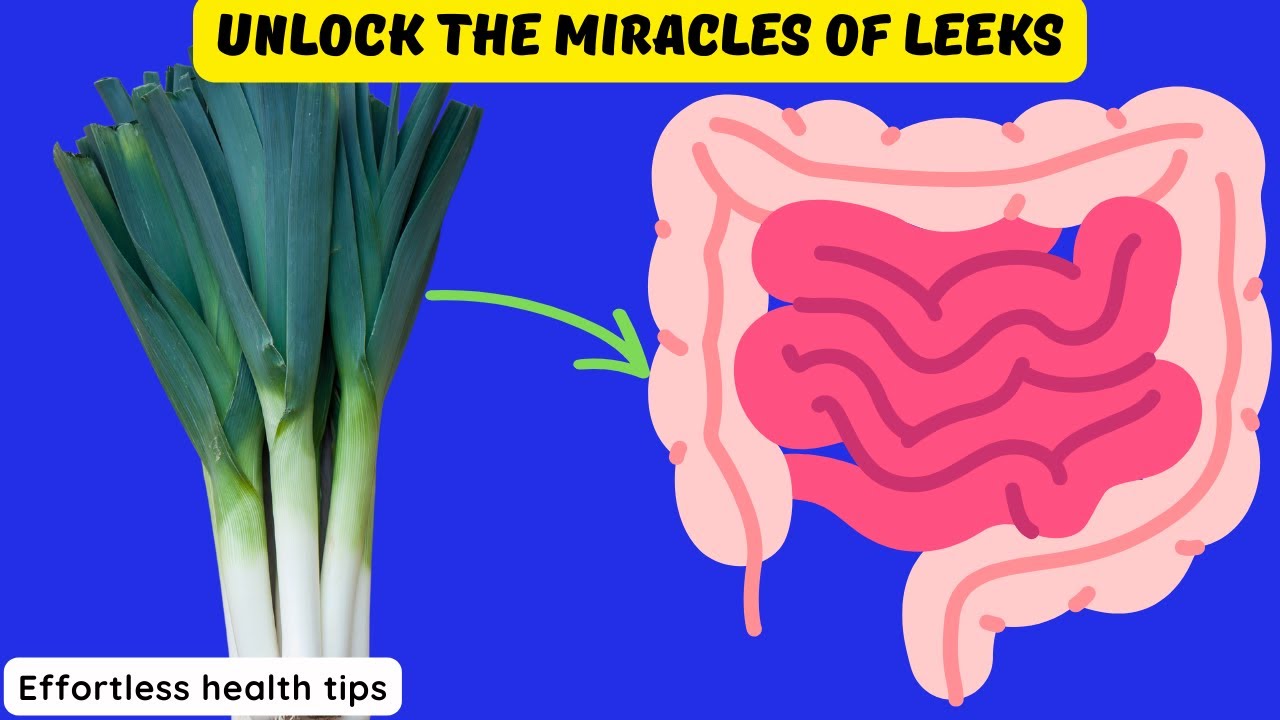
In the grand tapestry of culinary ingredients, some stars shine brightly, universally acclaimed for their vibrant hues and robust flavors. Others, however, possess a quiet grace, their unassuming presence often leading to their relegation to supporting roles. Among these humble stalwarts, the leek stands as a prime example – a vegetable of subtle elegance and profound depth, often overlooked, yet harboring a treasure trove of nutritional power that unequivocally merits its ascension to the superfood spotlight. This is the story of the leek, a journey from garden bed to plate, revealing why this gentle giant of the allium family is not just a delightful addition to your broth, but a nutritional powerhouse demanding our full appreciation.
The Allium Ancestry: A Family of Power and Purpose
To truly understand the leek, one must first appreciate its lineage. It belongs to the illustrious Allium family, a botanical clan that includes some of the most potent and revered ingredients in the global pantry: garlic, onions, chives, and shallots. For millennia, these pungent relatives have been celebrated not only for their distinctive flavors but also for their profound medicinal properties. Garlic, with its legendary allicin, has battled everything from vampires to viruses. Onions, in their many forms, have graced kitchens and apothecaries alike, lauded for their anti-inflammatory and antioxidant prowess.
Within this formidable family, the leek ( Allium ampeloprasum var. porrum) carves out its unique niche. While it shares the characteristic layered structure and a hint of its relatives’ piquancy, the leek distinguishes itself with a remarkably milder, sweeter, and more nuanced flavor profile. Its broad, flat leaves, transitioning from crisp white to vibrant green, offer a textural complexity that shifts from tender to slightly fibrous, making it exceptionally versatile in the kitchen. But beyond its culinary charm lies a deeper narrative – one of a concentrated nutritional bounty that positions the leek not merely as an Allium cousin, but as a standalone champion in the superfood arena.
A Symphony of Nutrients: Deconstructing the Leek’s Internal Riches
Peel back the layers of a leek, and you’re not just revealing its concentric rings; you’re uncovering a meticulously organized symphony of essential vitamins, minerals, and macronutrients, each playing a crucial role in human health. It’s a testament to nature’s efficiency, packing so much goodness into such an accessible and often affordable package.
Let’s begin with its impressive vitamin portfolio. Leeks are an excellent source of Vitamin K, a fat-soluble vitamin critical for blood clotting and, increasingly recognized, for maintaining bone health. It activates proteins involved in calcium metabolism, guiding calcium to where it’s needed (bones and teeth) and away from where it’s not (arteries and soft tissues). A single serving of leeks can provide a significant portion of your daily Vitamin K needs, making it a quiet guardian of your skeletal integrity and circulatory efficiency.
Beyond Vitamin K, leeks offer a generous dose of Vitamin A, primarily in the form of beta-carotene, a potent antioxidant precursor. Beta-carotene is vital for vision, particularly in low light, and plays a crucial role in immune function, promoting healthy cell growth and differentiation. It’s also a boon for skin health, contributing to a vibrant complexion and protection against environmental damage.
Vitamin C, the quintessential immune booster and antioxidant, is also present, albeit in more moderate amounts than some citrus fruits. Nevertheless, its contribution to collagen synthesis, wound healing, and protection against oxidative stress remains invaluable. Rounding out the vitamin ensemble are several B-vitamins, including Folate (B9), essential for DNA synthesis and repair, cell growth, and preventing neural tube defects during pregnancy; and Vitamin B6, a coenzyme involved in over 100 enzymatic reactions, crucial for metabolism, brain development, and immune function.
Shifting to minerals, the leek continues to impress. It’s a good source of Manganese, a trace mineral that acts as a co-factor for numerous enzymes, including those involved in antioxidant defense (superoxide dismutase), bone development, and metabolism. Iron, the oxygen carrier in our blood, is also found in leeks, contributing to energy production and preventing anemia. Potassium, a vital electrolyte, plays a critical role in maintaining fluid balance, nerve signals, and muscle contractions, and is particularly beneficial for regulating blood pressure. Finally, Magnesium, often dubbed "nature’s relaxant," supports muscle and nerve function, blood sugar control, and bone health, while also being involved in energy production.
And let’s not forget Fiber. Leeks are rich in both soluble and insoluble fiber. Insoluble fiber acts as a natural broom, aiding in digestive regularity and preventing constipation. Soluble fiber, however, is where the leek truly shines in terms of gut health, which we will explore in detail. This rich fiber content, combined with its high water content (approximately 90%), makes leeks incredibly satiating and beneficial for weight management, promoting a feeling of fullness without excessive calories.
The Bioactive Battalion: Phytochemicals and Antioxidants at Work
The leek’s true superfood status, however, extends far beyond its basic nutrient profile. Its hidden power lies in its complex array of phytochemicals – plant compounds that aren’t essential for survival but offer profound health benefits, often acting as potent antioxidants and anti-inflammatory agents.
Foremost among these are the flavonoids, a diverse group of polyphenols. Leeks are particularly rich in kaempferol, a powerful flavonoid that has garnered significant scientific attention. Kaempferol is a formidable antioxidant, scavenging free radicals that cause cellular damage and contribute to aging and disease. But its benefits don’t stop there. Research suggests kaempferol possesses significant anti-inflammatory properties, inhibiting the production of pro-inflammatory cytokines and enzymes. It has also been studied for its potential anti-cancer effects, influencing cell growth, differentiation, and apoptosis (programmed cell death) in various cancer cell lines. This makes kaempferol a multi-faceted protector, quietly working within our bodies to maintain balance and ward off disease.
Another important flavonoid found in leeks is quercetin, a well-known antioxidant and anti-inflammatory agent often associated with onions and apples. Quercetin further enhances the leek’s protective capabilities, supporting cardiovascular health and potentially offering allergy relief by stabilizing mast cells and reducing histamine release.
Beyond flavonoids, leeks contain unique sulfur compounds, characteristic of the Allium family. While not as pungent or concentrated as those found in garlic, these compounds contribute to the leek’s distinctive flavor and offer valuable health benefits. They are involved in detoxification pathways in the liver, helping the body eliminate harmful toxins. Some sulfur compounds also exhibit anti-cancer properties, influencing enzyme activity and protecting DNA from damage.
Finally, the vibrant green parts of the leek are a source of carotenoids, including lutein and zeaxanthin. These are powerful antioxidants specifically known for their role in eye health. They accumulate in the retina, particularly the macula, where they filter harmful blue light and protect against oxidative damage, reducing the risk of age-related macular degeneration (AMD) and cataracts. So, don’t discard those green tops – they’re packed with visual protection!
The Gut Health Guardian: A Prebiotic Powerhouse
Perhaps one of the most compelling arguments for the leek’s superfood status lies in its extraordinary contribution to gut health. Leeks are an exceptional source of prebiotic fiber, specifically fructans, including Fructooligosaccharides (FOS). This is a game-changer in the realm of nutrition.
To understand why, let’s differentiate between prebiotics and probiotics. Probiotics are the beneficial live bacteria themselves (found in yogurt, kimchi, etc.). Prebiotics, on the other hand, are non-digestible food components that selectively stimulate the growth and activity of these good bacteria in the colon. Think of them as the fertilizer for your gut garden.
When you consume leeks, the FOS travels undigested through your upper digestive tract, resisting breakdown by human enzymes. Upon reaching the large intestine, it becomes a feast for beneficial gut microbes, particularly Bifidobacteria and Lactobacilli. These bacteria ferment the FOS, producing short-chain fatty acids (SCFAs) like butyrate, acetate, and propionate.
The implications of this fermentation are profound:
- Enhanced Gut Microbiome Diversity: By feeding the "good guys," leeks help to crowd out potentially harmful bacteria, promoting a balanced and diverse gut ecosystem. A healthy microbiome is the cornerstone of overall health.
- Improved Digestive Function: SCFAs provide energy for colon cells, strengthen the gut barrier, and can improve bowel regularity, easing issues like constipation.
- Immune System Modulation: A significant portion of our immune system resides in the gut. A healthy microbiome, fueled by prebiotics like those in leeks, helps to modulate immune responses, making us more resilient to infections and potentially reducing the risk of autoimmune conditions.
- Nutrient Absorption: A thriving gut microbiome can enhance the absorption of certain minerals, like calcium and magnesium, from the food we eat.
- Mental Health Connection (Gut-Brain Axis): Emerging research highlights the intricate connection between the gut and the brain. A balanced microbiome can influence neurotransmitter production and reduce systemic inflammation, potentially impacting mood, cognition, and reducing the risk of conditions like anxiety and depression.
- Anti-inflammatory Effects: SCFAs, particularly butyrate, possess potent anti-inflammatory properties, which can help reduce inflammation throughout the body, including within the gut itself.


Post Comment