The Enduring Saga of Satiety: Why Oatmeal Keeps You Fuller for Longer
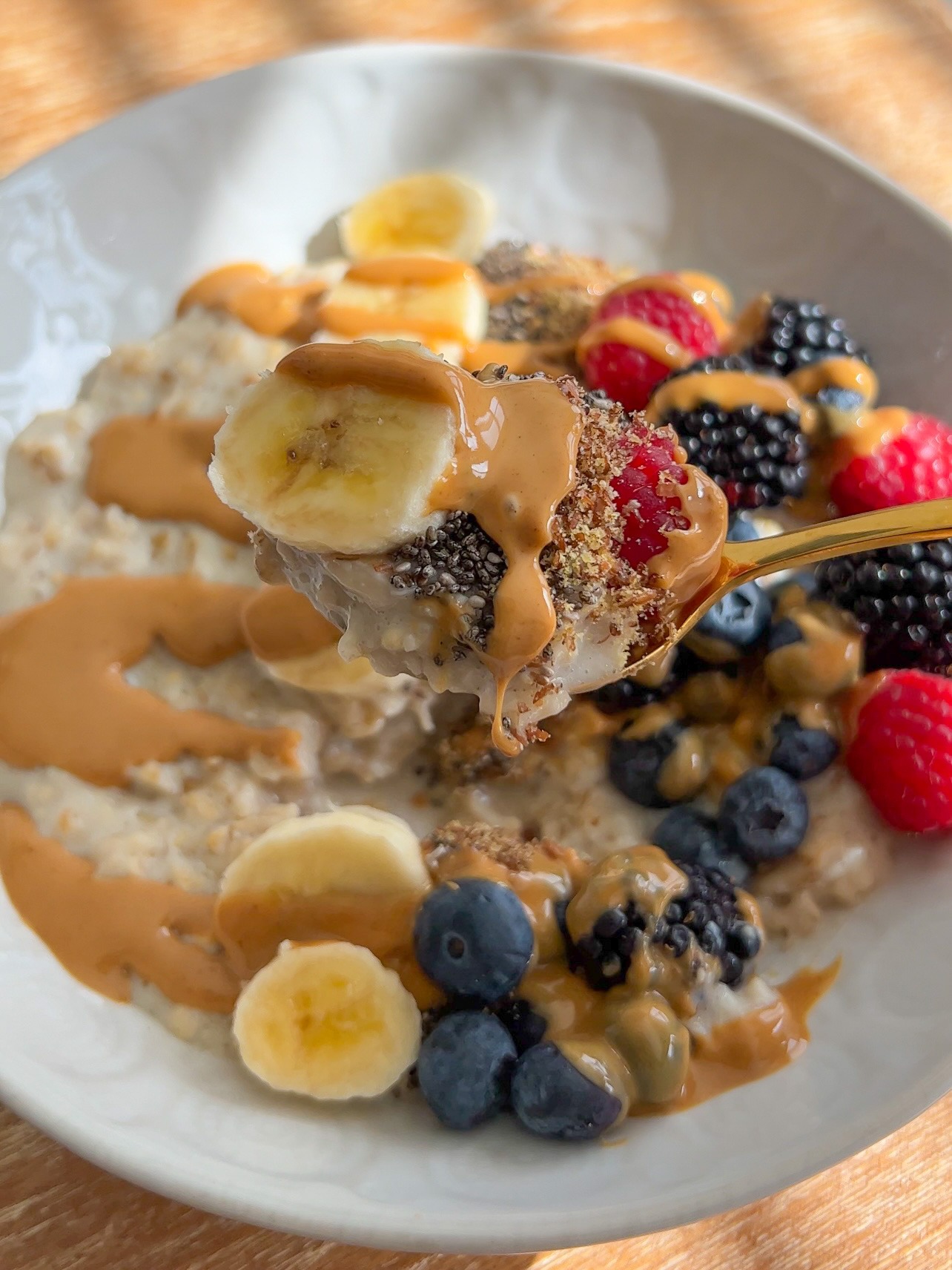
In the bustling theatre of the morning routine, where the curtain rises on another day, countless breakfast contenders vie for the starring role. Some burst onto the scene with a flash of sugary energy, promising instant gratification only to fade into the background, leaving a lingering sense of disappointment and an early grumble from the stomach. Others offer a brief, fleeting comfort, a whisper of sustenance before the inevitable mid-morning hunger pangs begin their relentless drumbeat.
But then there is oatmeal. Humble, unassuming, often relegated to the background, this ancient grain possesses a quiet, formidable power. It doesn’t shout for attention; it simply delivers. For centuries, it has been the steadfast companion of farmers, warriors, and scholars, fueling their bodies and minds with a sustained energy that borders on the miraculous. In a world obsessed with quick fixes and instant gratification, oatmeal stands as an enduring testament to the wisdom of slow release, sustained comfort, and profound satiety.
This isn’t just a breakfast choice; it’s a strategic alliance with your body, a pact for enduring fullness. The story of why oatmeal keeps you fuller for longer is not a simple one. It’s a complex, multi-layered narrative woven through the intricate tapestry of nutrition science, digestive physiology, and the delicate dance of hormonal signals. It’s the epic tale of a tiny grain transforming into a formidable guardian against hunger, a slow-release architect of sustained well-being. Let us embark on this journey, delving deep into the very essence of the oat flake, tracing its path through the human body, and unraveling the scientific symphony that orchestrates its remarkable power.
Chapter 1: The Humble Origin – Anatomy of the Oat Hero
Our story begins not in the bowl, but in the field. The oat, Avena sativa, is a marvel of natural engineering. Unlike many grains that are stripped of their outer layers during processing, oats are most commonly consumed as a whole grain, or very close to it. This fundamental difference is the first, crucial chapter in its saga of satiety.
A whole grain is comprised of three vital components:
- The Bran: The fibrous outer layer, rich in insoluble fiber, B vitamins, and minerals. This is the protective shield, the first line of defense.
- The Germ: The embryo of the grain, packed with healthy fats, vitamin E, B vitamins, and trace minerals. This is the life force, the nutritional powerhouse.
- The Endosperm: The largest part of the grain, primarily composed of complex carbohydrates (starch) and some protein. This is the energy reserve, the slow-burning fuel.
When you choose steel-cut, rolled, or even quick-cooking oats (as opposed to highly refined instant oatmeals with added sugars), you are consuming the entirety of this nutritional triad. This holistic structure is paramount. It means that the oat’s energy and nutrients are encased within a fibrous matrix, creating a natural time-release mechanism long before it even touches your spoon. This structural integrity is the silent promise of sustained energy, a stark contrast to the rapidly digestible, fiber-stripped simple carbohydrates that offer a fleeting sugar rush followed by an inevitable crash.
Chapter 2: The Fiber Fortress – A Viscous Journey
The true protagonist in our story of satiety is fiber, particularly the soluble fiber known as beta-glucan. This is where the magic truly begins, transforming a simple grain into a digestive marvel.
Imagine beta-glucan as a tiny, highly absorbent sponge. As soon as it encounters water – be it the milk or water you cook your oats in, or the digestive fluids in your stomach – it begins to swell. But it doesn’t just swell; it undergoes a remarkable transformation, morphing into a thick, viscous, gel-like substance. This gel is not merely a pleasant texture; it is a sophisticated engineering feat within your digestive tract, acting as a multi-pronged guardian against hunger.
The Gel’s Triple Action:
-
Volumetric Expansion and Gastric Distension: As the beta-glucan gel forms in your stomach, it significantly increases the volume of the stomach contents. Think of it like a balloon inflating gently from within. This physical distension activates specialized stretch receptors embedded in your stomach lining. These receptors send direct, powerful signals to your brain, specifically to the satiety centers in the hypothalamus, communicating a message: "The stomach is full; you’ve had enough." This mechanical signal is one of the earliest and most direct pathways to feeling satisfied. Unlike a glass of water, which quickly passes through, the viscous oat gel lingers, keeping those stretch receptors activated for a considerably longer period.
-
The Gastric Speed Bump: Slowed Gastric Emptying: This viscous gel isn’t just about volume; it’s also a highly effective traffic controller. It significantly slows down the rate at which food leaves your stomach and enters your small intestine. Picture your stomach as a funnel, and the gel as a dense, slow-moving liquid. Instead of food rushing through, it’s released gradually, almost grudgingly. This deceleration of gastric emptying is critical for sustained fullness. If food empties too quickly, you’ll feel hungry again sooner. By keeping food in the stomach longer, oatmeal prolongs the period of satiety, pushing back the onset of hunger pangs for hours. This isn’t just a feeling; it’s a measurable physiological effect, directly contributing to that lasting satisfaction.
-
Nutrient Absorption Modulation: Stabilizing the Blood Sugar Rollercoaster: As the now slowed-down food mixture eventually makes its way into the small intestine, the beta-glucan gel continues its work. It creates a physical barrier, effectively encasing the complex carbohydrates and other nutrients. This slows down the activity of digestive enzymes, which normally rapidly break down starches into simple sugars (glucose). Consequently, glucose is absorbed into the bloodstream at a much more gradual and controlled pace.
Why is this important? Because a rapid influx of glucose leads to a sharp spike in blood sugar, which triggers a corresponding surge of insulin from the pancreas. While insulin is necessary to transport glucose into cells, an excessive and rapid insulin response can lead to a phenomenon known as "reactive hypoglycemia," where blood sugar levels drop too quickly, often below baseline. This sudden dip in blood sugar is a powerful physiological trigger for hunger, often described as the "hunger rollercoaster" or the "post-sugar crash." Oatmeal, by buffering this process, helps maintain stable blood sugar levels, preventing those dramatic peaks and valleys, thereby eliminating a major instigator of premature hunger.
Beyond beta-glucan, oats also contain insoluble fiber, predominantly in the bran. While insoluble fiber doesn’t form a gel, it adds significant bulk to the stool, promoting healthy bowel function and regularity. A well-functioning digestive system, free from the discomfort of constipation, contributes to an overall sense of lightness and well-being, which indirectly supports sustained comfort and reduces the likelihood of mistaking discomfort for hunger.


Post Comment