The Unseen Orchestra: How Oatmeal Conducts Harmony in the Gut-Brain Connection
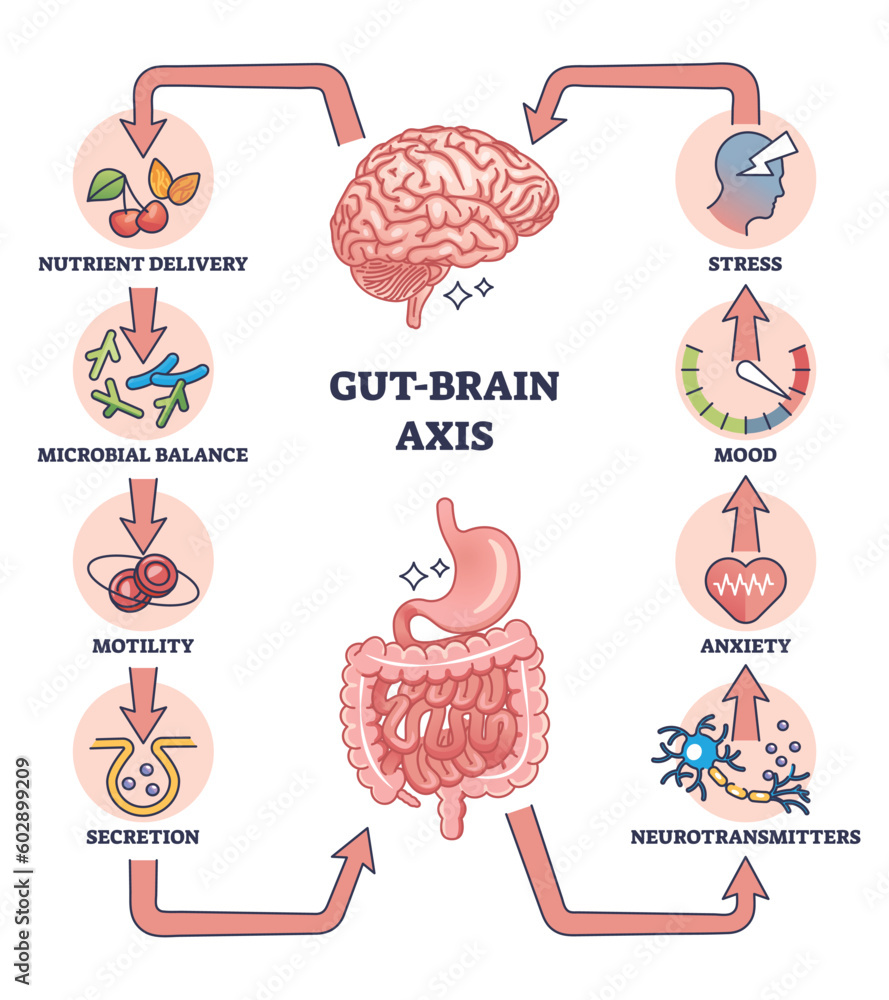
In the intricate symphony of human existence, there lies an unseen orchestra, a bustling metropolis of microbial life within us that profoundly influences not just our physical health, but the very landscape of our thoughts, emotions, and cognitive prowess. This is the realm of the gut-brain connection, a bidirectional superhighway of communication that is increasingly recognized as central to our overall well-being. For too long, the gut was relegated to a mere digestive tube, a subservient organ carrying out its basic functions in isolation. Today, however, we understand it as a veritable second brain, a complex ecosystem whose health is inextricably linked to the clarity of our minds and the resilience of our spirits.
Yet, in our modern world, this delicate orchestra often finds itself playing out of tune. The relentless pace of life, chronic stress, environmental toxins, and a diet increasingly devoid of foundational nutrients conspire to disrupt the microbial harmony, leading to a cascade of physical and mental health challenges. Amidst this cacophony, a simple, unassuming hero emerges from the pantry: oatmeal. Far from being a mere breakfast staple, this humble whole grain, Avena sativa, possesses a profound capacity to nurture a thriving microbiome, thereby acting as a cornerstone for fostering both physical and mental resilience. This is the story of how a daily ritual, a warm bowl of oatmeal, can become a powerful conductor, restoring harmony to the gut-brain axis and enriching the very fabric of our lives.
Deconstructing the Gut-Brain Axis: A Two-Way Superhighway
To truly appreciate the profound impact of oatmeal, we must first embark on a deeper exploration of the gut-brain axis itself. This isn’t a mere metaphor; it’s a physiological reality, a complex network of pathways that allow the gut and brain to communicate constantly and bidirectionally.
The Gut: More Than Just Digestion
Our understanding of the gut has undergone a radical transformation. It is no longer just a series of tubes for nutrient absorption. Instead, it hosts:
- The Enteric Nervous System (ENS): The "Second Brain": Embedded in the walls of the esophagus, stomach, small intestine, and colon, the ENS is a vast network of neurons – approximately 100 million of them, more than in the spinal cord. This "second brain" can operate independently of the central nervous system (CNS) to manage digestion, yet it remains in constant dialogue with the brain in our skull. It dictates gut motility, enzyme secretion, blood flow, and nutrient absorption.
- The Microbiome: The Inner Ecosystem: Perhaps the most profound discovery in gut health is the realization that our intestines are home to trillions of microorganisms – bacteria, viruses, fungi, and archaea – collectively known as the gut microbiome. This diverse community outnumbers our own human cells by a factor of ten to one and weighs as much as 2-3 pounds. Far from being passive inhabitants, these microbes are active participants in our physiology:
- Digestion and Nutrient Synthesis: They break down complex carbohydrates and fibers that our human enzymes cannot, producing essential vitamins (like B vitamins and vitamin K).
- Immune System Modulation: A staggering 70-80% of our immune cells reside in the gut-associated lymphoid tissue (GALT). The microbiome educates and trains these immune cells, distinguishing between harmless antigens and dangerous pathogens, thereby playing a crucial role in preventing autoimmune diseases and allergies.
- Metabolic Regulation: They influence energy harvesting from food, fat storage, and glucose metabolism.
- Gut Barrier Integrity: The intestinal lining is a single layer of epithelial cells, forming a critical barrier that separates the sterile internal environment of the body from the vast microbial world within the gut lumen. Tight junctions between these cells ensure selective permeability, allowing nutrients to pass while blocking harmful toxins, undigested food particles, and pathogens. When this barrier is compromised – often referred to as "leaky gut" or increased intestinal permeability – unwanted substances can cross into the bloodstream, triggering systemic inflammation and immune responses.
The Brain: The Command Center
While the brain exerts top-down control over many bodily functions, its relationship with the gut is particularly intimate. Stress, anxiety, and emotions can directly impact gut motility, gastric emptying, and the secretion of digestive juices. The brain’s response to perceived threats can flood the body with stress hormones like cortisol, which in turn can alter the composition and function of the microbiome.
The Communication Channels: A Multi-Modal Dialogue
The gut and brain engage in a sophisticated, multi-modal conversation through several key pathways:
- The Vagus Nerve: The Direct Neural Highway: This cranial nerve is the longest in the autonomic nervous system, extending from the brainstem down to the abdomen, innervating various organs, including the heart, lungs, and most importantly for our discussion, the gut. The vagus nerve acts as a superhighway for information exchange:
- Afferent (Gut-to-Brain) Signaling: Approximately 80-90% of vagal fibers are afferent, meaning they carry signals from the gut to the brain. The gut’s microbial inhabitants can influence these signals, transmitting information about nutrient availability, inflammation, and even the presence of certain metabolites.
- Efferent (Brain-to-Gut) Signaling: The remaining fibers transmit signals from the brain to the gut, influencing motility, secretion, and blood flow, often mediated by neurotransmitters.
- Hormonal Signaling: The gut is a major endocrine organ, producing a plethora of hormones that influence appetite, metabolism, and mood. For instance, over 90% of the body’s serotonin, a key neurotransmitter involved in mood regulation, sleep, and appetite, is produced and stored in the gut. Microbial activity can influence serotonin production and availability, directly impacting brain function. Other gut-derived hormones, such as cholecystokinin (CCK) and glucagon-like peptide-1 (GLP-1), signal satiety and influence brain reward pathways.
- Immune System Interactions: As mentioned, the gut houses a significant portion of the immune system. When the gut barrier is compromised or the microbiome is imbalanced, immune cells can release pro-inflammatory cytokines that travel through the bloodstream, cross the blood-brain barrier, and induce neuroinflammation. This neuroinflammation is increasingly implicated in mood disorders, cognitive decline, and neurodegenerative diseases. Conversely, a healthy gut microbiome can produce anti-inflammatory compounds that protect brain health.
- Microbial Metabolites: The Language of Microbes: This is perhaps one of the most fascinating aspects of gut-brain communication. As gut microbes ferment dietary fibers and other undigested compounds, they produce a range of metabolites that act as signaling molecules. The most well-studied are short-chain fatty acids (SCFAs) – primarily butyrate, propionate, and acetate. These SCFAs are not just waste products; they are potent bioactive compounds:



Post Comment