The Neurobiology of Belonging: How Friends Change Your Brain Chemistry
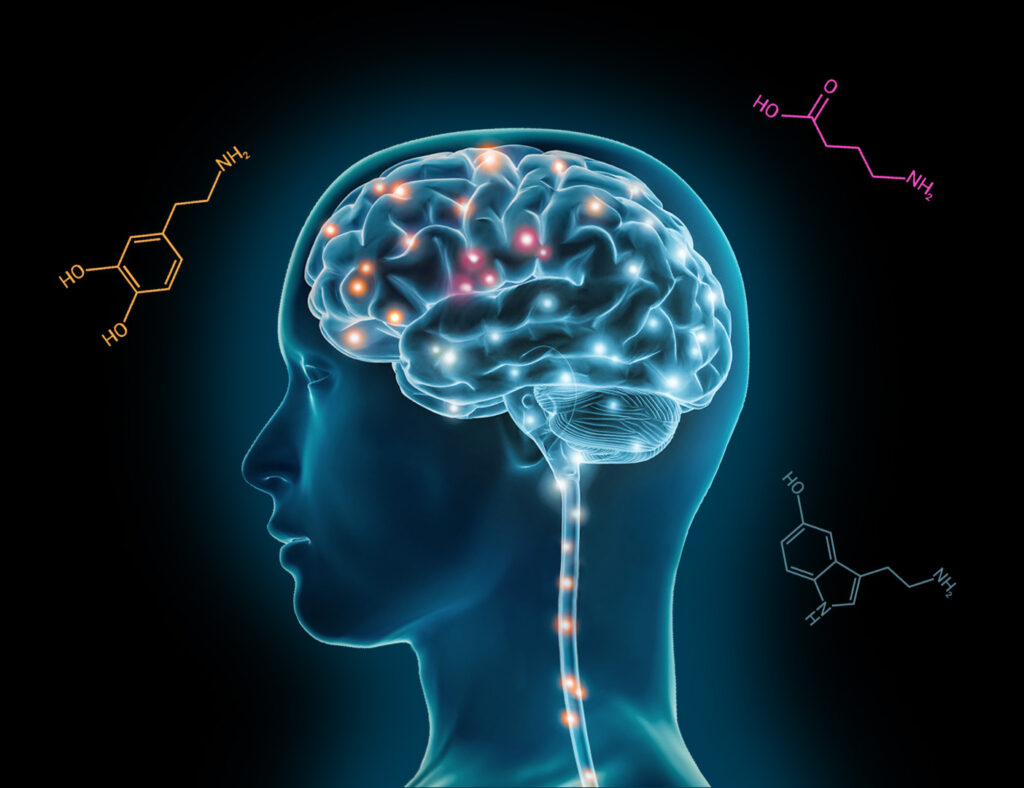
From the dawn of humanity, the whisper of connection has been a constant, life-sustaining force. It’s the warmth of a shared laugh, the silent understanding across a crowded room, the comforting presence that transforms a bleak landscape into a sanctuary. We instinctively know that friends are vital to our well-being, but the true depth of this necessity is often underestimated. Beyond the emotional comfort and practical support, the act of belonging, of forging and maintaining friendships, is a profound biological imperative, capable of literally reshaping the very architecture and chemistry of our brains. This isn’t just sentiment; it’s science.
To understand how friends change our brain chemistry, we must embark on a journey deep into the intricate landscape of the human mind, exploring its evolutionary origins, its neurochemical orchestrations, and the remarkable plasticity that allows our social bonds to etch themselves into our very essence. This is the story of belonging, told through the lens of neuroscience, revealing how our connections are not merely luxuries, but fundamental architects of who we are.
The Evolutionary Imperative: We Are Built for Connection
Our story begins millions of years ago, long before the complexities of modern society. Early hominids faced a world teeming with threats – predators, scarcity, harsh environments. Solitary existence was a death sentence. Survival hinged on cooperation, on the collective strength of the group. Those who could form strong bonds, communicate effectively, and coordinate efforts were more likely to find food, defend against danger, and raise offspring to maturity.
This relentless evolutionary pressure did not merely favor social behavior; it favored the development of a social brain. The "Social Brain Hypothesis," pioneered by Robin Dunbar, posits that the neocortex, the outermost layer of the brain responsible for higher-order functions like language, reasoning, and consciousness, evolved primarily to manage increasingly complex social relationships. The larger our social groups, the larger our neocortex needed to be to keep track of alliances, hierarchies, and individual histories. This isn’t just about memory; it’s about theory of mind – the ability to attribute mental states (beliefs, desires, intentions) to oneself and others, a cornerstone of empathy and complex social interaction.
Thus, the drive to belong is not a cultural construct or a mere preference; it is deeply hardwired into our biology, a fundamental operating principle forged in the crucible of survival. Our brains are, in essence, social organs, designed to seek, process, and thrive within a web of connections. When we engage with friends, we are not just fulfilling a psychological need; we are activating ancient, evolutionarily conserved systems that tell our brains: "You are safe. You are valued. You belong." And this activation triggers a cascade of neurochemical events that literally change us from the inside out.
The Neurochemical Orchestra: How Friends Tune Our Brains
At the heart of how friends change our brain chemistry lies an intricate interplay of neurotransmitters and hormones, a finely tuned orchestra conducting the symphony of social connection. Each chemical plays a distinct role, contributing to the rich tapestry of emotions and experiences that define friendship.
Oxytocin: The Social Glue
If there is one chemical synonymous with bonding, it is oxytocin. Often dubbed the "love hormone" or "cuddle hormone," oxytocin is a neuropeptide produced in the hypothalamus and released into the bloodstream by the posterior pituitary gland, as well as directly into the brain. Its role in social bonding is profound and multifaceted.
Initially recognized for its crucial role in childbirth (stimulating uterine contractions) and lactation (milk ejection), researchers soon discovered its broader implications for social behavior. In the context of friendship, oxytocin facilitates trust, empathy, and prosocial behaviors. When we hug a friend, share a meaningful conversation, or even just make eye contact and feel understood, oxytocin levels rise. This surge doesn’t just feel good; it actively reduces fear and anxiety by dampening activity in the amygdala, the brain’s primary threat detection center.
Think of oxytocin as the "social lubricant." It enhances our ability to "read" social cues, to feel connected, and to overcome the inherent caution we might feel towards others. It strengthens the bonds of reciprocity and loyalty, making us more likely to offer support and less likely to feel threatened by those within our social circle. Chronic exposure to positive social interactions, mediated by oxytocin, can lead to a more trusting and open disposition, altering our baseline social anxiety and perception of the world. It literally makes us feel safer in the presence of our chosen tribe.
Dopamine: The Reward of Connection
While oxytocin fosters bonding, dopamine provides the powerful incentive to seek it out. Dopamine is the primary neurotransmitter of the brain’s reward system, synthesized in areas like the ventral tegmental area (VTA) and projected to the nucleus accumbens (NAcc) and prefrontal cortex. It drives motivation, pleasure, and reinforcement learning.
The joy we feel when a friend calls, the anticipation of meeting up, the sheer pleasure of shared laughter – these are all fueled by dopamine. Social interaction, particularly positive and reciprocal interaction, acts as a potent natural reward. Our brains learn to associate friends with pleasure and positive reinforcement, creating a powerful feedback loop that compels us to seek out and maintain these relationships.
This isn’t just about feeling good in the moment; it’s about shaping future behavior. The dopaminergic reward system reinforces the value of social bonds, making us more likely to invest time and energy in friendships. It contributes to the feeling of belonging by signaling that "this is good for you, keep doing it." Over time, this consistent reinforcement can literally make our brains "addicted" to healthy social interaction, driving us towards community and away from isolation.
Endorphins: The Bliss of Shared Experience
Endorphins, a contraction of "endogenous morphine," are opioid peptides produced by the body. They are natural painkillers and mood elevators, responsible for the "runner’s high" and the feeling of euphoria. In the social realm, endorphins play a crucial role in promoting group cohesion and a sense of shared well-being.
One of the most powerful activators of the endorphin system in social contexts is laughter. When we laugh heartily with friends, especially in a synchronized way, our brains release endorphins, creating a sense of warmth, closeness, and shared joy. This isn’t just a fleeting feeling; it strengthens social bonds and reduces stress. Synchronized activities – singing, dancing, even rhythmic chanting – have also been shown to trigger endorphin release, fostering a collective sense of unity and belonging.
This "social warmth" mediated by endorphins is a powerful ancient mechanism for group bonding. It transforms individual pleasure into a shared experience, reinforcing the idea that collective activities are intrinsically rewarding and beneficial.
Serotonin: Stabilizing Mood and Belonging
Serotonin is a neurotransmitter widely known for its role in mood regulation, sleep, appetite, and overall well-being. Imbalances in serotonin levels are often linked to depression and anxiety. In the context of belonging, serotonin contributes to a sense of calmness, contentment, and social stability.
Supportive friendships provide a buffer against life’s stressors, and this buffering effect is partly mediated by serotonin. Feeling understood, accepted, and valued by friends can enhance serotonin activity, promoting a more positive outlook and reducing feelings of isolation. The consistent presence of strong social support can help regulate emotional responses, preventing the downward spirals associated with chronic stress and loneliness.
While not as acutely released as oxytocin or dopamine during specific social interactions, the sustained experience of belonging and social support contributes to a healthier serotonin system, laying a neurochemical foundation for resilience and emotional stability.
Cortisol: The Stress Buffer
Not all chemicals involved in friendship are about pleasure; some are about protection. Cortisol is the body’s primary stress hormone, released by the adrenal glands as part of the hypothalamic-pituitary-adrenal (HPA) axis response. While essential for acute stress, chronic elevation of cortisol can have detrimental effects on physical and mental health.
Here’s where friends become critical neurochemical regulators. The presence of supportive friends acts as a powerful "social buffer" against stress. Studies have shown that individuals with strong social ties exhibit lower physiological responses to stress (e.g., lower heart rate, blood pressure, and cortisol levels) compared to those who are socially isolated.
When we face a challenge, knowing we have friends to lean on can literally dampen our brain’s stress response. A comforting word, a sympathetic ear, or even just the physical presence of a friend can reduce the activation of the HPA axis, leading to lower cortisol levels. Over time, this chronic social buffering can recalibrate our stress response system, making us more resilient to life’s inevitable ups and downs. The absence of belonging, conversely, leaves us vulnerable to chronic stress, with all its damaging neurobiological consequences.


Post Comment