The Emerald Alchemy: How Algae Unleashes the Athlete’s Ultimate Recovery
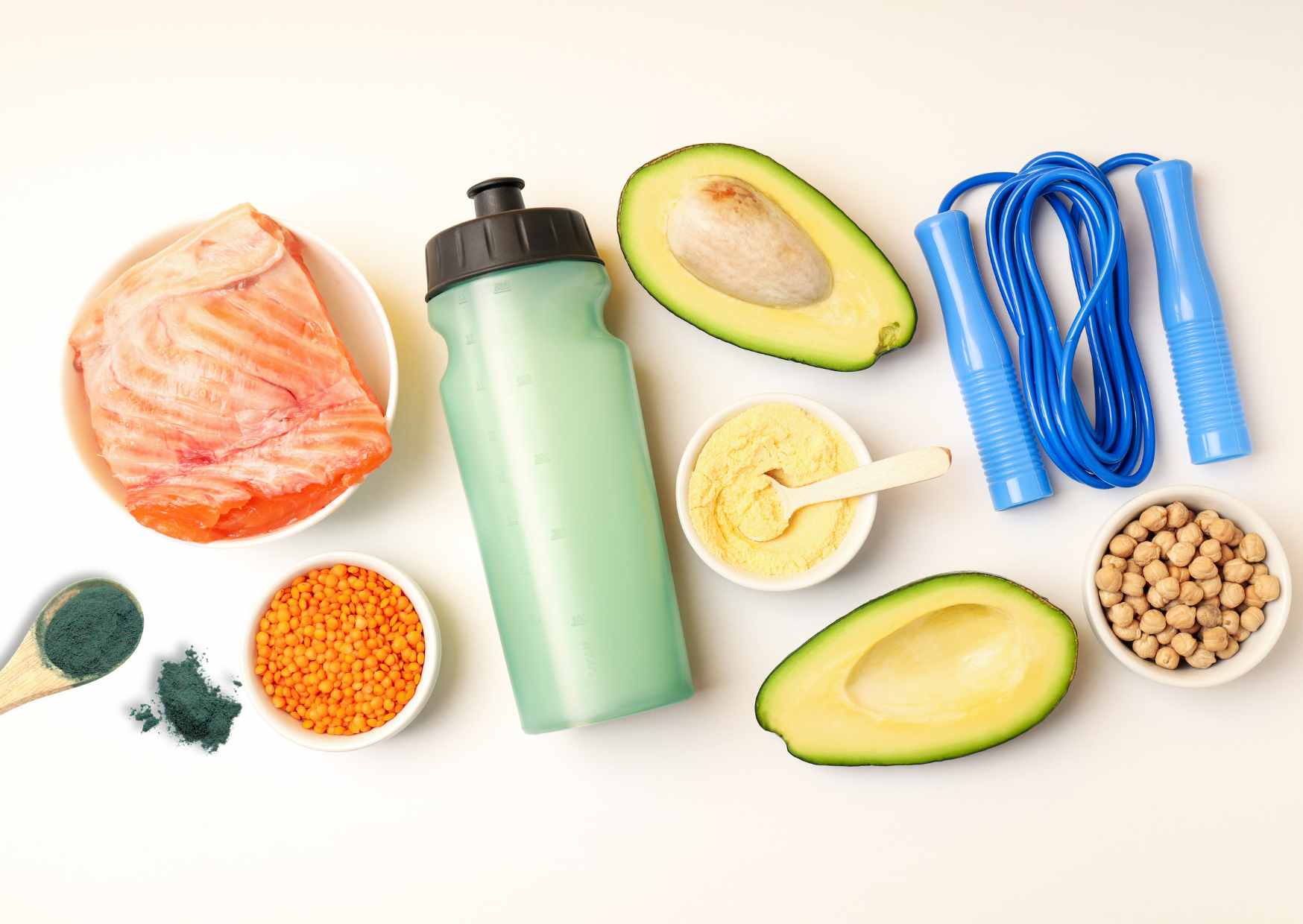
The pursuit of peak athletic performance is a relentless journey, a testament to human will, discipline, and physical prowess. Yet, every summit conquered demands a period of descent, a phase of replenishment and repair known as recovery. For the dedicated athlete, recovery isn’t merely rest; it’s an active, intricate biological process – the very crucible where strength is forged, resilience is built, and future triumphs are incubated. But what if there existed a natural, ancient ally, a microscopic powerhouse capable of dramatically accelerating this vital phase, turning post-exertion depletion into rapid rejuvenation?
Enter the world of algae. Often dismissed as pond scum or ocean flora, these diverse organisms, from the vast macroalgae of kelp forests to the single-celled microalgae thriving in controlled bioreactors, represent an unparalleled frontier in nutritional science. For the knowledgeable athlete and biohacker, algae is not just a supplement; it’s an emerald alchemy, a profound natural technology poised to redefine the limits of athletic recovery. This is the story of how algae, in its myriad forms, steps onto the modern athletic stage as an indispensable partner in the relentless quest for peak performance and unparalleled recuperation.
The Recovery Imperative: Understanding the Athlete’s Battlefield
Before we delve into the algal solution, it’s crucial to grasp the multifaceted challenge of athletic recovery. Intense physical activity, whether it’s the explosive power of a weightlifter, the endurance of a marathon runner, or the dynamic demands of a team sport, places immense stress on the body. This stress manifests in several key physiological responses, each requiring targeted intervention for optimal recovery:
- Muscle Damage: Exercise, particularly resistance training and eccentric movements, causes micro-tears in muscle fibers. This is a necessary catalyst for growth and adaptation, but it also triggers inflammation and soreness (DOMS – Delayed Onset Muscle Soreness).
- Inflammation: While acute inflammation is part of the healing process, chronic or excessive inflammation can impede recovery, degrade healthy tissue, and contribute to systemic fatigue.
- Oxidative Stress: Intense exercise significantly increases the production of reactive oxygen species (ROS), or "free radicals." These unstable molecules can damage cellular structures, including DNA, proteins, and lipids, contributing to fatigue and hindering repair.
- Glycogen Depletion: Muscles rely on glycogen (stored glucose) for energy. High-intensity or prolonged exercise can deplete these stores, leading to fatigue and impacting subsequent performance.
- Immune System Suppression: Heavy training loads can temporarily suppress the immune system, leaving athletes vulnerable to illness and infection, further delaying recovery and training consistency.
- Electrolyte Imbalance & Dehydration: Sweating leads to loss of vital minerals, impacting nerve function, muscle contraction, and overall cellular hydration.
- Mental Fatigue: The brain also experiences stress during training, leading to reduced focus, motivation, and impaired cognitive function.
Traditional recovery strategies focus on rest, nutrition (protein for repair, carbohydrates for replenishment), hydration, and modalities like massage or cold therapy. While essential, these approaches often fall short in fully addressing the cellular-level demands of modern athletic recovery. This is where algae steps in, offering a bio-optimized arsenal of compounds that precisely target these physiological battlegrounds.
The Algal Pantheon: Meet the Heroes of Recovery
Our story begins with the introduction of the primary protagonists, each a distinct species of algae with a unique profile of bioactive compounds, acting synergistically to orchestrate a symphony of recovery.
1. Spirulina: The Ancient Blue-Green Powerhouse
- Species: Arthrospira platensis
- The Legend: Spirulina is a cyanobacterium (often referred to as blue-green algae) that has existed for billions of years, famously consumed by the Aztecs. It’s renowned for its incredible nutritional density and ease of digestibility.
- Recovery Prowess:
- Complete Protein Source: Comprising up to 60-70% protein by dry weight, Spirulina contains all nine essential amino acids. This makes it an exceptional plant-based source for muscle repair and synthesis, often surpassing the protein quality of many conventional plant proteins. The high bioavailability ensures rapid uptake.
- Phycocyanin – The Anti-Inflammatory Pigment: This distinctive blue pigment is Spirulina’s secret weapon. Phycocyanin is a potent antioxidant and anti-inflammatory agent, specifically inhibiting COX-2 enzymes, similar to NSAIDs but without the associated side effects. For athletes, this translates to reduced muscle soreness, quicker resolution of exercise-induced inflammation, and faster return to training.
- B Vitamins & Iron: Rich in B vitamins (B1, B2, B3, B6, B9), Spirulina supports energy metabolism, nerve function, and red blood cell production, crucial for oxygen transport and sustained energy during recovery. Its bioavailable iron content helps prevent iron-deficiency anemia, a common concern for endurance athletes.
- Antioxidant Profile: Beyond phycocyanin, Spirulina boasts carotenoids (beta-carotene), chlorophyll, and superoxide dismutase (SOD), all contributing to its capacity to neutralize free radicals and mitigate oxidative stress.


Post Comment