The Green Edge: How Algae Amplifies Athletic Recovery
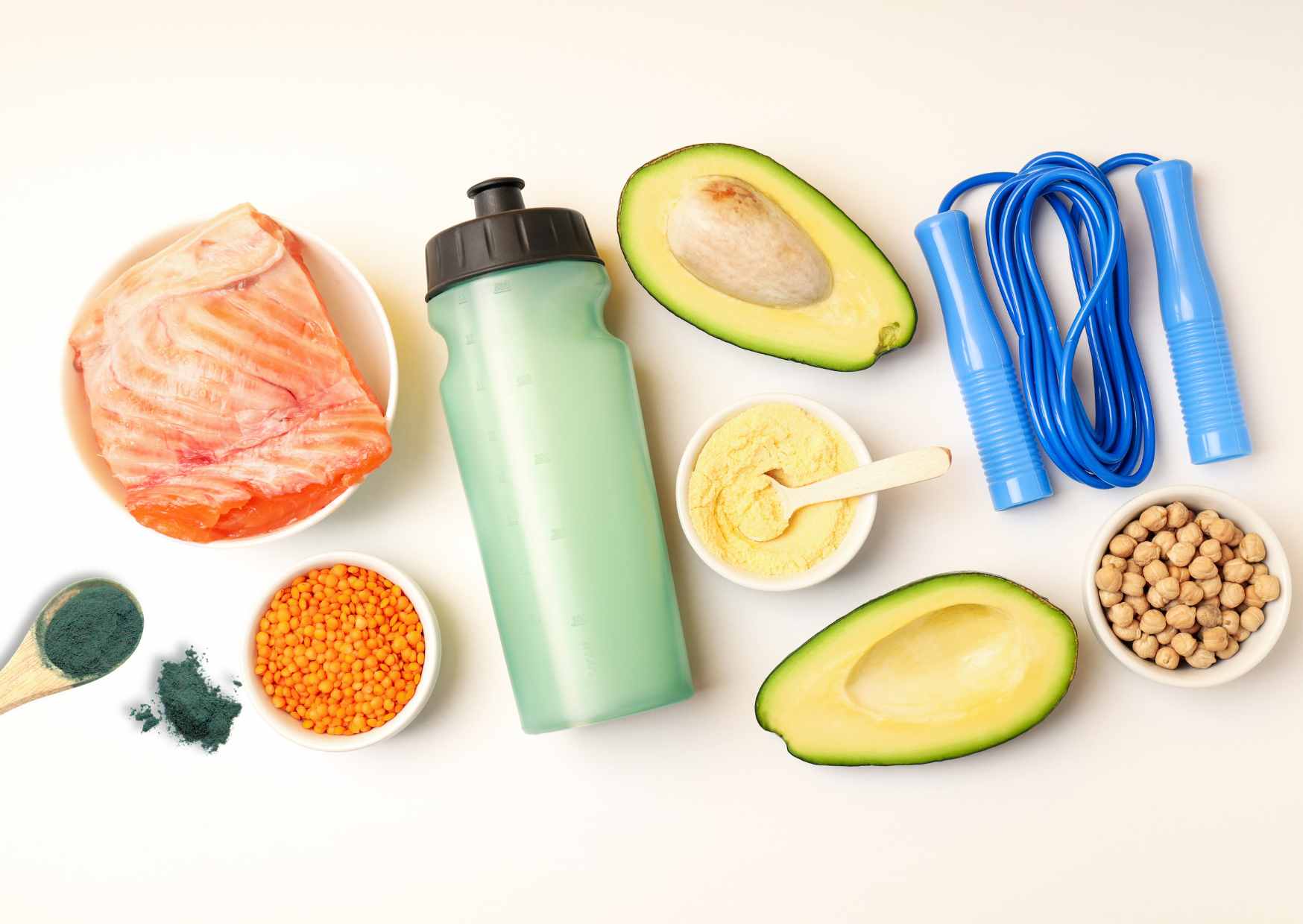
The modern athlete exists in a perpetual state of finely tuned destruction and reconstruction. Every grueling training session, every peak performance, pushes the body to its physiological limits, inducing microscopic damage, metabolic stress, and a cascade of inflammatory responses. The true secret to sustained peak performance isn’t just the intensity of the workout, but the efficiency and completeness of the recovery that follows. For decades, the pillars of athletic recovery have been largely understood: adequate protein for muscle repair, carbohydrates for energy replenishment, sufficient sleep, and active rest. Yet, as the science of human performance evolves, a new, ancient, and surprisingly potent ally has emerged from the depths of our understanding: algae.
Often dismissed as pond scum or relegated to niche health food fads, microscopic algae, particularly certain species like Spirulina, Chlorella, and Haematococcus pluvialis, are now being recognized as unparalleled superfoods, offering a complex symphony of bioactive compounds uniquely suited to accelerating and deepening athletic recovery. For the knowledgeable athlete and coach, this isn’t merely about adding another supplement; it’s about embracing a paradigm shift towards a holistic, micronutrient-dense approach that tackles recovery at its most fundamental, cellular level.
This is the story of how these unassuming microscopic marvels are rewriting the rules of athletic resilience, offering a green edge that transcends conventional recovery strategies.
The Athlete’s Crucible: Beyond the Burn
To truly appreciate algae’s profound impact, we must first understand the physiological battlefield of intense training. When an athlete pushes their body, several critical processes unfold that necessitate robust recovery:
- Muscle Damage: Microtears in muscle fibers (Delayed Onset Muscle Soreness – DOMS) are inevitable. Repair requires amino acids, growth factors, and a controlled inflammatory response.
- Oxidative Stress: Increased metabolic activity during exercise generates reactive oxygen species (ROS), leading to oxidative stress. This can damage cells, proteins, and DNA, hindering recovery and performance.
- Inflammation: While acute inflammation is part of the repair process, chronic or excessive inflammation can impede healing, cause pain, and contribute to overtraining syndrome.
- Energy Depletion: Glycogen stores are depleted, and mitochondrial function can be stressed, leading to fatigue.
- Immune Suppression: Intense exercise can temporarily suppress the immune system, creating an "open window" for infections.
- Micronutrient Depletion: Increased sweat, metabolic demands, and nutrient utilization can deplete essential vitamins and minerals.
Traditional recovery protocols address these to varying degrees. Protein shakes for muscle repair, anti-inflammatory drugs for pain, and electrolyte drinks for rehydration are commonplace. But algae offers a multi-pronged attack, delivering an unparalleled spectrum of synergistic compounds that address all these facets of recovery, often with greater efficacy and fewer side effects than synthetic alternatives.
Algae’s Molecular Arsenal: A Symphony of Bioactives
What makes algae so potent? It’s their unique evolutionary history. As some of the planet’s oldest life forms, they’ve developed incredibly efficient mechanisms for photosynthesis and nutrient synthesis, packing an astonishing array of vitamins, minerals, antioxidants, proteins, and unique phytonutrients into their tiny cellular structures.
The "story" of algae’s contribution to athletic recovery isn’t just about one superstar compound; it’s about the synergistic interplay of its diverse molecular arsenal. Let’s delve into the specific mechanisms by which various algal species contribute to a superior recovery profile.
Pillar 1: Rebuilding the Temple – Protein Synthesis and Muscle Repair
The cornerstone of athletic recovery is muscle repair and growth. After a strenuous workout, muscle protein synthesis (MPS) must outpace muscle protein breakdown (MPB). This requires a readily available supply of high-quality amino acids.
Spirulina (Arthrospira platensis) stands out as a complete protein source, boasting an impressive 60-70% protein content by dry weight. Crucially, it contains all nine essential amino acids in optimal ratios, making it comparable to animal protein sources like eggs or meat, but with superior digestibility and bioavailability due to its lack of a rigid cellulose cell wall.
- Amino Acid Profile: Spirulina provides a rich source of branched-chain amino acids (BCAAs) – leucine, isoleucine, and valine – which are critical for initiating MPS via the mTOR pathway and reducing muscle soreness.
- Nitrogen Retention: The efficient absorption of Spirulina’s protein helps maintain a positive nitrogen balance, essential for anabolic processes.
- Chlorella Growth Factor (CGF): Unique to Chlorella (Chlorella vulgaris, Chlorella pyrenoidosa), CGF is a complex nutrient found in the nucleus of the chlorella cell. It’s rich in nucleic acids (DNA and RNA), amino acids, peptides, vitamins, and carbohydrates. While not directly a protein itself, CGF is believed to stimulate cellular regeneration and repair, potentially accelerating the healing of muscle tissue and other cells damaged during intense exercise. Its exact mechanisms are still under investigation, but anecdotal and preliminary research suggests it contributes to faster recovery and enhanced vitality.
By supplying a complete and highly bioavailable amino acid profile, algae directly supports the body’s capacity to repair damaged muscle fibers and initiate the adaptive processes that lead to stronger, more resilient muscles.
Pillar 2: Quelling the Oxidative Firestorm – The Antioxidant Advantage
One of the most insidious byproducts of intense exercise is oxidative stress. The increased oxygen consumption and metabolic activity generate an abundance of free radicals (unstable molecules that can damage cells). If left unchecked, this oxidative damage can prolong muscle soreness, impair recovery, and even contribute to chronic disease. This is where algae truly shines, offering an unparalleled spectrum of potent antioxidants.
The undisputed champion in this arena is Astaxanthin, a vibrant red carotenoid found in the microalga Haematococcus pluvialis. Astaxanthin’s molecular structure is uniquely suited for antioxidant activity:


Post Comment