The Silent Revolution: Why Algae Oil is Outperforming Fish Oil in the Quest for Vegan Omega-3
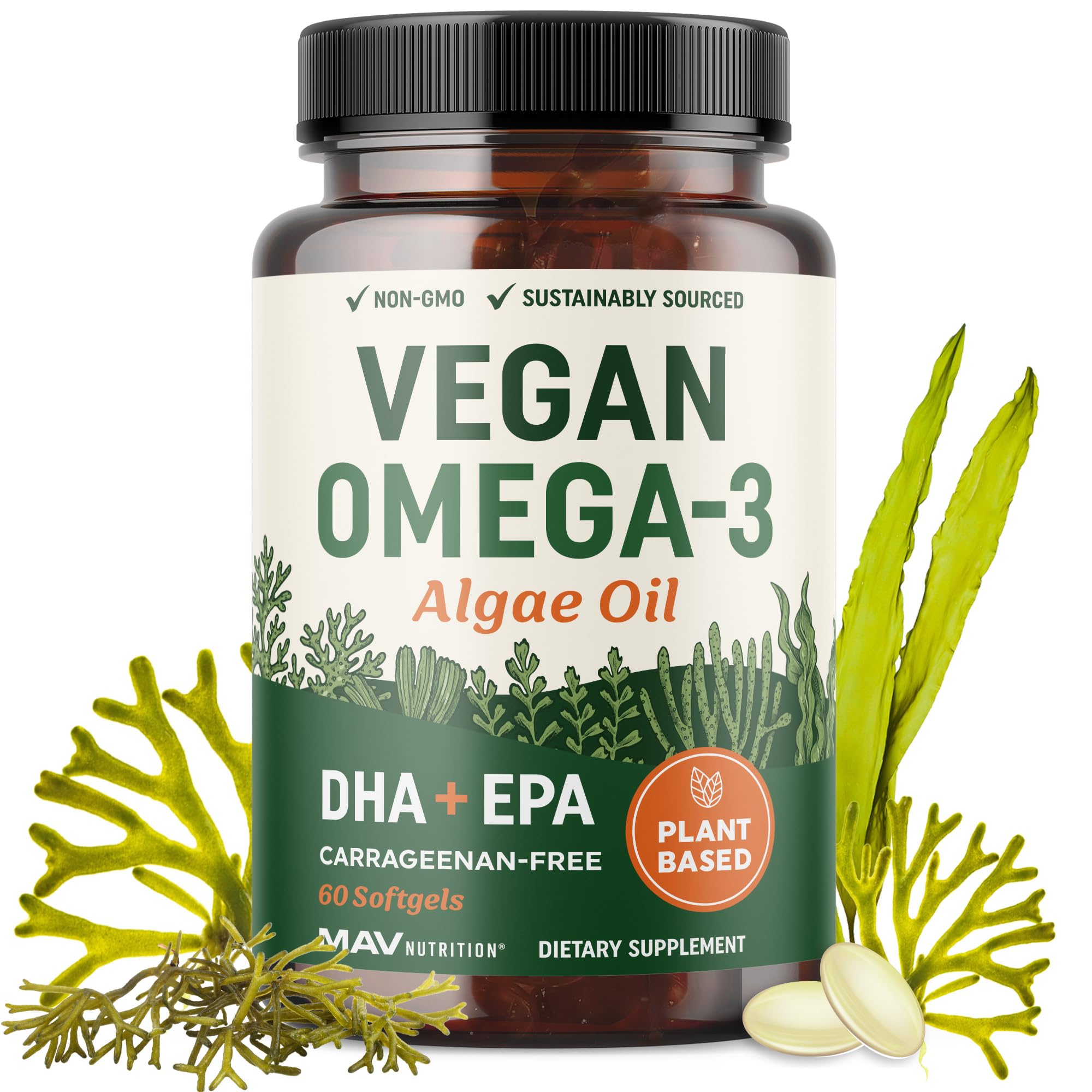
In the grand tapestry of human health, certain nutrients emerge as threads of vital importance, their presence weaving through every cell, every function, every beat of life. Omega-3 fatty acids – specifically Eicosapentaenoic Acid (EPA) and Docosahexaenoic Acid (DHA) – are such threads. For decades, the narrative of obtaining these essential fats has been dominated by a single protagonist: fish oil. It was the undisputed champion, the go-to supplement, a cornerstone of nutritional advice.
But every long-reigning champion eventually faces a challenger, a new contender that promises not just to equal, but to surpass. Today, in the quiet hum of bioreactors and the verdant glow of sustainable aquaculture, a silent revolution is unfolding. The challenger has arrived, not with a roar, but with a gentle ripple: algae oil. This isn’t merely an alternative; it’s a paradigm shift, a testament to nature’s ingenuity and humanity’s evolving understanding of health, ethics, and sustainability. Algae oil is not just meeting the benchmark set by fish oil; it is, in myriad compelling ways, outperforming it.
This is the story of that evolution, a journey from the depths of the ocean to the controlled environments of innovative science, revealing why algae oil is not just the future of omega-3, but the superior choice for a knowledgeable, conscientious world.
Chapter 1: The Omega-3 Odyssey – A Nutrient’s Crucial Role
Before we delve into the battle of the oils, let us first understand the profound importance of the prize: omega-3 fatty acids. These are polyunsaturated fats, essential because our bodies cannot produce them in sufficient quantities; they must be obtained from our diet. The family includes Alpha-Linolenic Acid (ALA), a short-chain omega-3 found in plant sources like flaxseeds and walnuts, which the body can convert to EPA and DHA, albeit inefficiently. The true stars, however, are the long-chain EPA and DHA.
DHA, the undisputed king of brain fats, constitutes a significant portion of the brain’s gray matter and the retina of the eye. It is indispensable for cognitive function, memory, mood regulation, and visual acuity throughout life, from fetal development to old age. Imagine the intricate neural pathways, the rapid transmission of signals, the formation of memories – DHA is a fundamental building block for this symphony of the mind.
EPA, while also present in the brain, plays a more prominent role in managing inflammation and supporting cardiovascular health. It’s the body’s natural anti-inflammatory agent, helping to regulate immune responses, reduce oxidative stress, and maintain the flexibility and health of blood vessels. Think of it as the meticulous conductor, ensuring the orchestra of your bodily systems plays in harmony, preventing runaway inflammation that underlies many chronic diseases.
Together, EPA and DHA contribute to:
- Cardiovascular Health: Reducing triglycerides, lowering blood pressure, improving arterial function, and reducing the risk of arrhythmias.
- Brain Health: Supporting cognitive function, memory, learning, and potentially mitigating the risk of neurodegenerative diseases.
- Eye Health: Maintaining retinal health and preventing age-related macular degeneration.
- Mental Well-being: Playing a role in mood regulation, reducing symptoms of depression and anxiety.
- Anti-inflammatory Effects: Alleviating symptoms of inflammatory conditions like arthritis and supporting overall immune balance.
- Fetal Development: Crucial for the brain and eye development of infants, passed through the placenta and breast milk.
Given this extensive portfolio of benefits, it’s no wonder that the quest for adequate omega-3 intake has become a cornerstone of modern nutritional advice.
Chapter 2: The Reign of the Fish – A Historical Perspective and Its Unraveling
For decades, the answer to the omega-3 quest seemed clear: eat fatty fish like salmon, mackerel, and sardines, or supplement with their extracted oil. The logic was straightforward: fish are rich in EPA and DHA. This led to the meteoric rise of the fish oil industry, turning millions of metric tons of wild-caught fish into capsules and liquids.
However, beneath the surface of this seemingly simple solution, a complex web of environmental, ethical, and health concerns began to unravel the fish oil narrative. The reign of the fish, while once celebrated, started to show its cracks.
The Environmental Tightrope: Overfishing and Ecosystem Collapse
The most glaring challenge is sustainability. The sheer demand for fish oil has placed immense pressure on global fish stocks. We are literally fishing the oceans empty.
- Depletion of Wild Stocks: Species like anchovies, sardines, and krill, often used for fish oil, are foundational species in marine food webs. Their rapid depletion impacts the entire ecosystem, starving larger predators like whales, seals, and seabirds.
- Bycatch: Industrial fishing methods, especially trawling, indiscriminately scoop up vast quantities of non-target species – dolphins, turtles, sharks, and juvenile fish – which are then discarded, dead or dying.
- Habitat Destruction: Bottom trawling, a common practice, acts like a bulldozer on the seabed, destroying delicate coral reefs, sponges, and other vital marine habitats that serve as nurseries and feeding grounds for countless species.
- Carbon Footprint: The energy required to power massive fishing fleets, process the catch, and transport it globally contributes significantly to greenhouse gas emissions.
The environmental cost of every fish oil capsule is, therefore, an unseen burden on our planet’s most vital ecosystem.




Post Comment