The Emerald Champion: Why Kiwis Beat Oranges for Your Daily Dose
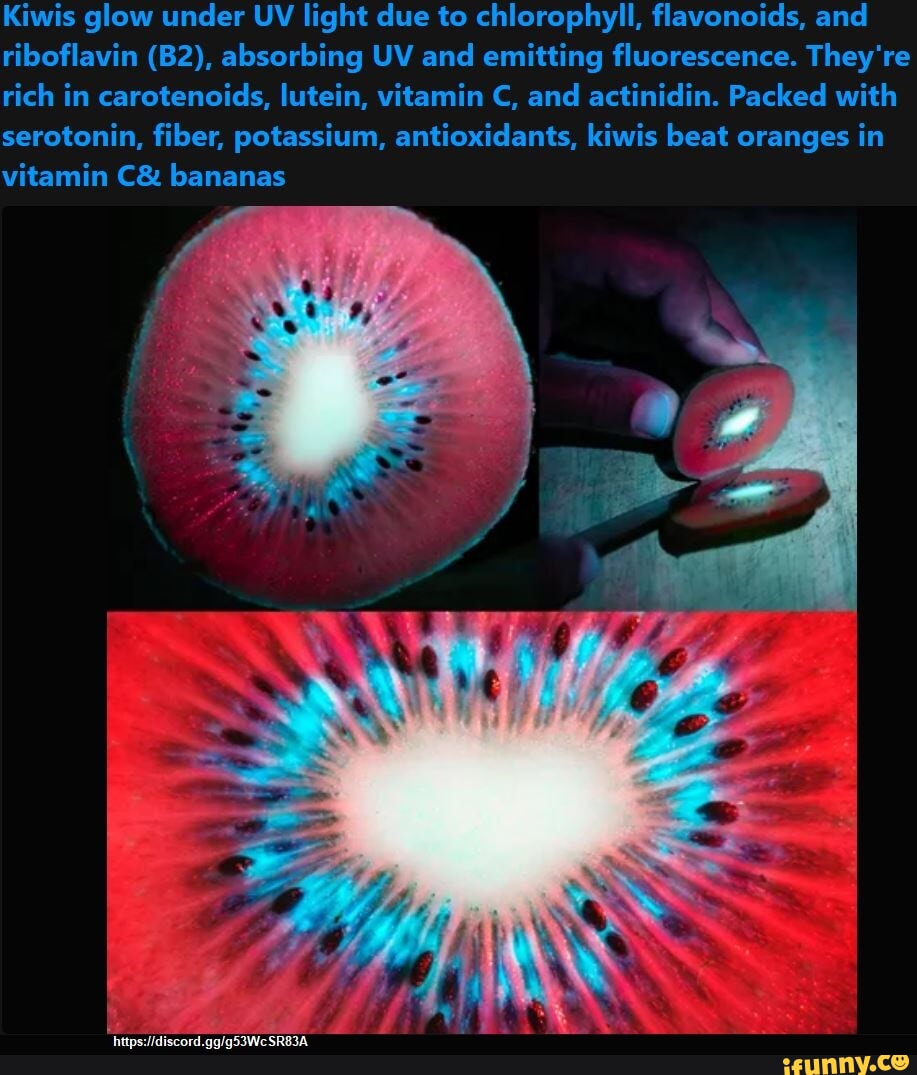
For generations, the orange has worn the crown, a radiant beacon of Vitamin C, a symbol of health and immunity. Its vibrant hue and tangy burst have made it the undisputed champion in the realm of daily fruit consumption, especially when the sniffles strike. But what if the king we’ve so readily anointed is merely a popular pretender, and a quieter, fuzzier, emerald-hued contender has been patiently waiting in the wings, brimming with a far more profound and multifaceted nutritional arsenal?
This is the story of the kiwi, a fruit often underestimated, frequently overlooked, yet poised to reclaim its rightful place as the true monarch of your daily dose. It’s a narrative not just of superior numbers, but of synergistic compounds, unique enzymes, and a holistic spectrum of benefits that reach far beyond the simple immunity boost we’ve come to expect from our morning citrus. Prepare to have your fruit philosophy redefined, for in this epic showdown, the kiwi doesn’t just compete; it decidedly triumphs.
The Contenders: A Nutritional Snapshot
Let’s begin with a head-to-head, raw data comparison. While an average medium orange (approx. 130g) is lauded for its Vitamin C, typically providing around 70-80 mg, a medium kiwi (approx. 70g) astonishingly offers more – often 60-70 mg, and sometimes even up to 90 mg depending on the variety (e.g., Zespri SunGold kiwis are particularly high). This means, per gram, the kiwi often boasts nearly double the Vitamin C content of an orange.
But Vitamin C, while crucial, is just the tip of the nutritional iceberg. The true story of the kiwi’s dominance lies in its broader, richer tapestry of micronutrients:
- Fiber: A medium orange offers around 3 grams of fiber. A medium kiwi, despite its smaller size, provides approximately 2-3 grams. But it’s not just the quantity; it’s the quality and variety of fiber in kiwi, as we’ll explore.
- Vitamin K: This is where the orange is largely absent. Kiwis are an excellent source of Vitamin K, crucial for blood clotting and bone health, offering about 25-30 mcg per fruit – a significant portion of your daily recommended intake.
- Vitamin E: Another antioxidant powerhouse, Vitamin E is present in kiwis in meaningful amounts (around 1 mg), while oranges contain negligible quantities. This fat-soluble vitamin plays a vital role in protecting cell membranes.
- Folate: Both fruits offer folate, important for cell growth and DNA synthesis, but the kiwi often provides a comparable amount to the orange, again, in a smaller package.
- Potassium: Essential for blood pressure regulation and nerve function, kiwis hold their own, providing a good dose comparable to or sometimes exceeding oranges.
- Antioxidants Beyond C: This is perhaps the kiwi’s most compelling argument. While oranges rely heavily on Vitamin C and some specific bioflavonoids like hesperidin, kiwis present a vibrant spectrum of phenolic compounds, carotenoids (lutein, zeaxanthin), and other flavonoids, creating a more robust and synergistic antioxidant defense system.
This initial glance reveals a compelling truth: the kiwi isn’t just a Vitamin C contender; it’s a nutrient-dense powerhouse that offers a far more comprehensive nutritional profile per calorie, per gram, and per fruit.
Beyond Vitamin C: The Kiwi’s Secret Weapons
The narrative of the orange has always been singularly focused on Vitamin C. While laudable, this narrow view fails to appreciate the complex interplay of nutrients that contribute to genuine well-being. The kiwi, however, doesn’t put all its eggs in one basket. It brings to the table unique compounds that redefine what a "daily dose" can achieve.
Actinidin: The Digestive Dynamo
Perhaps the kiwi’s most distinctive and underappreciated asset is actinidin, a naturally occurring proteolytic enzyme. This enzyme, unique to kiwis, plays a pivotal role in protein digestion. Think of it as a biological assist for your digestive system.
When you consume protein-rich foods, actinidin helps break down large protein molecules into smaller, more easily digestible peptides and amino acids. This isn’t just about comfort; it’s about efficiency. By facilitating protein digestion, actinidin can reduce feelings of bloating and discomfort often associated with heavy meals. For individuals with sluggish digestion or those prone to post-meal heaviness, the inclusion of kiwi can be a game-changer.
Unlike the orange, which offers no comparable digestive aid, the kiwi actively participates in the digestive process, enhancing nutrient absorption and easing the burden on your gastrointestinal tract. This makes it an ideal companion for meals, particularly those rich in meat, dairy, or legumes.
Fiber Powerhouse: The Gut’s Best Friend
We touched upon fiber earlier, but it deserves a deeper dive. While both fruits contain fiber, the kiwi’s contribution is particularly significant due to its balance of soluble and insoluble fiber.
- Insoluble fiber acts like a natural broom, adding bulk to stool and promoting regular bowel movements, preventing constipation. Its presence in kiwi’s tiny black seeds is a testament to its natural efficacy.
- Soluble fiber forms a gel-like substance in the digestive tract, which helps to slow down sugar absorption, regulate blood sugar levels, and lower cholesterol. More profoundly, soluble fiber acts as a prebiotic, feeding the beneficial bacteria in your gut microbiome.
This dual-action fiber punch from the kiwi is a profound advantage. A healthy gut microbiome is the cornerstone of overall health, influencing everything from immune function and mood to nutrient absorption and even weight management. While oranges offer some fiber, the kiwi’s combination, especially when coupled with actinidin, creates a far more potent and comprehensive gut health strategy. It’s not just about regularity; it’s about nurturing the entire inner ecosystem.
Vitamin K and E: The Unsung Heroes
For too long, the narrative around fruits has sidelined the importance of vitamins beyond C. The kiwi heroically brings two more essential fat-soluble vitamins to the forefront:




Post Comment