The Green Elixir of Clarity: Why Matcha Gives You Focus Without the Coffee Jitters
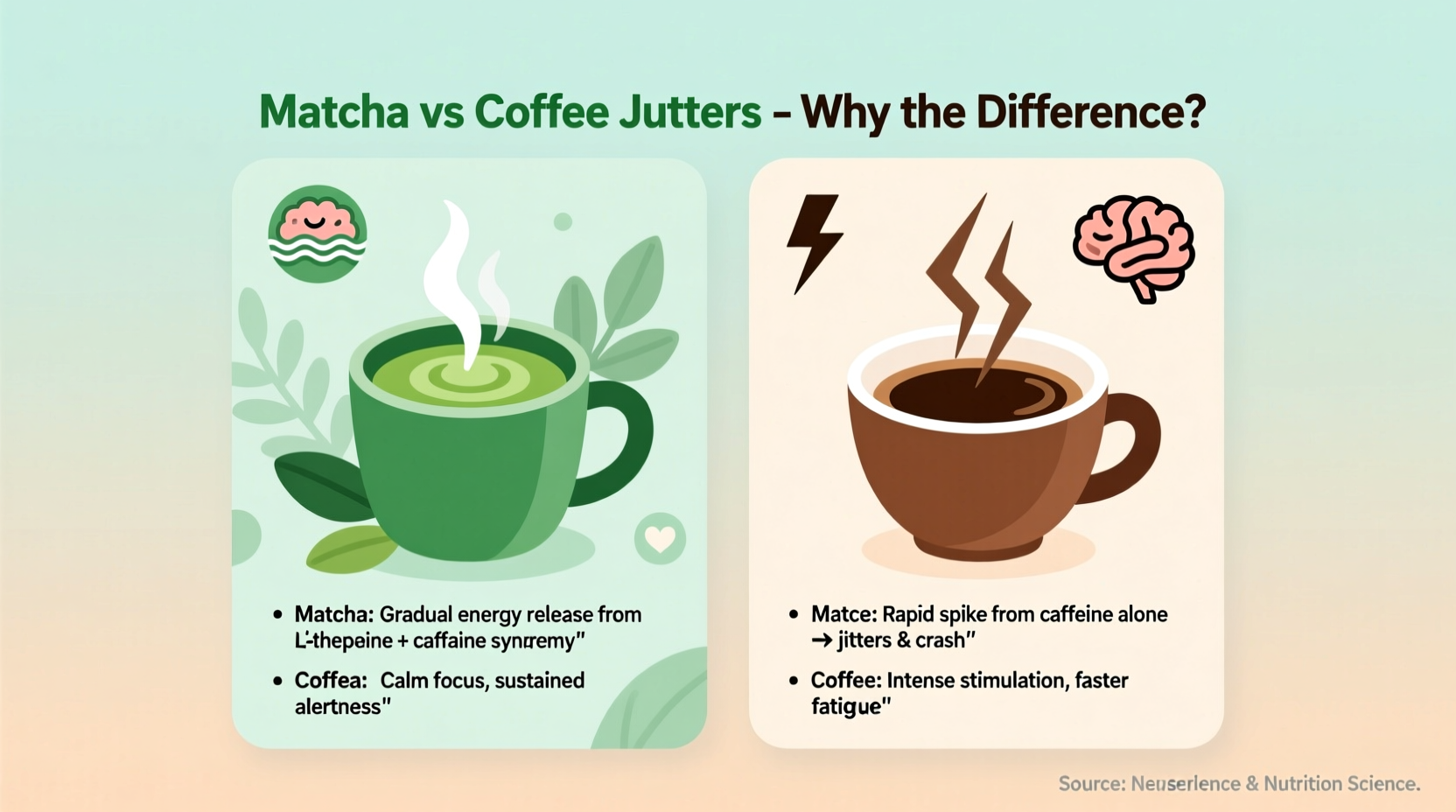
In the relentless hum of modern life, where deadlines loom, inboxes overflow, and the demand for peak mental performance is constant, the quest for sustained focus is more urgent than ever. For decades, the answer has been a steaming cup of coffee, a daily ritual ingrained in cultures worldwide. We chase that immediate jolt, the sudden rush of clarity, the feeling of being "on." Yet, for many, this pursuit comes with a familiar, unwelcome shadow: the jitters, the anxiety, the eventual crash that leaves us feeling more depleted than before.
Imagine a different path. A path where mental acuity isn’t a frantic scramble but a smooth, steady climb. Where sustained energy doesn’t come at the cost of your inner calm, and focus isn’t followed by a precipitous fall. This isn’t a dream of some futuristic nootropic; it’s an ancient secret, perfected over centuries, now finding its rightful place in our contemporary world: matcha.
Matcha, the finely ground powder of specially cultivated green tea leaves, offers a unique promise: a focused, alert state of mind that feels organic, sustained, and utterly free from the nervous agitation that often accompanies its roasted bean counterpart. It’s not just a beverage; it’s an experience, a ritual, and a profound biological symphony that orchestrates calm clarity within your very being.
To truly appreciate matcha’s magic, we must first understand the familiar beast it so elegantly transcends: coffee.
Deconstructing the Coffee Conundrum: The Jittery Reality
Coffee’s primary active ingredient, caffeine, is a stimulant we’ve come to rely on. Its mechanism of action is relatively straightforward: it’s an adenosine receptor antagonist. Adenosine is a neurotransmitter that accumulates in your brain throughout the day, signaling fatigue and promoting sleep. Caffeine, structurally similar to adenosine, binds to these receptors, blocking adenosine from doing its job. The result? Your brain thinks it’s not tired, even when it is.
This blockade leads to a cascade of effects: increased firing of neurons, release of other stimulating neurotransmitters like dopamine and norepinephrine, and a general heightened state of arousal. For many, this translates to improved alertness, quicker reaction times, and a temporary boost in cognitive function. It’s the "wake-up call" we crave.
However, this sharp, abrupt stimulation comes with a significant trade-off. For sensitive individuals, or even regular consumers who overdo it, the rapid surge in neural activity can manifest as:
- The Jitters: A physical tremor, a shakiness in the hands, an overall feeling of being "wired" and unable to sit still.
- Anxiety and Nervousness: The heightened physiological state can mimic or exacerbate feelings of stress and anxiety, leading to racing thoughts and an unsettled mind.
- Increased Heart Rate and Palpitations: Caffeine can temporarily elevate heart rate and blood pressure, which can be uncomfortable or even concerning for some.
- Sleep Disruption: Its half-life means caffeine stays in your system for hours, often interfering with the ability to fall asleep or achieve restorative deep sleep.
- The Infamous "Crash": Once caffeine wears off, the accumulated adenosine floods the receptors, leading to a sudden and often dramatic plunge into fatigue, irritability, and reduced cognitive function. This is the body demanding its due.
- Digestive Issues: Coffee’s acidity can irritate the stomach lining, leading to heartburn or discomfort for some.
We drink coffee not because it’s perfect, but because it’s effective in the short term. It’s a quick fix, a powerful lever we pull to momentarily override our body’s natural rhythms. But what if there was a way to achieve that focused clarity, not by overriding, but by harmonizing?
Enter Matcha: A Symphony of Nature’s Design
Matcha is not just green tea; it’s the green tea, cultivated and prepared with an almost sacred precision that unlocks its unique potential. Originating in Japan, its history is deeply intertwined with Zen Buddhist monks who used it to maintain alertness and focus during long periods of meditation, without the distracting agitation common with other stimulants.
The magic of matcha begins long before it reaches your cup. The tea plants (Camellia sinensis) destined for matcha are shade-grown for the last few weeks before harvest. This crucial step is not merely traditional; it’s a deliberate manipulation of the plant’s biochemistry. Deprived of direct sunlight, the plant ramps up chlorophyll production (giving matcha its vibrant green color) and, more importantly, amino acid production, especially L-Theanine. This shade-growing also reduces the bitterness often associated with other green teas, which comes from catechins, making matcha smoother and sweeter.
After harvest, the leaves are steamed, dried, and then meticulously stone-ground into a fine, talc-like powder. Unlike traditional steeped tea, where you discard the leaves, with matcha, you consume the entire leaf. This means you ingest 100% of its beneficial compounds, not just what leaches into water.
This unique cultivation and preparation process results in a nutritional powerhouse, a complex matrix of compounds that work synergistically to create its distinctive effects. Let’s break down the key players:
1. Caffeine: The Awakener, But Different
Yes, matcha contains caffeine. Often, a serving of matcha can have a comparable amount of caffeine to a cup of brewed coffee (around 30-70mg per gram, with a typical serving being 2-4g, so 60-280mg per serving). However, the experience of matcha caffeine is profoundly different. This isn’t due to less caffeine, but how the other compounds in matcha interact with it. The total effect is one of sustained, gentle alertness, rather than a sharp peak and trough.
2. L-Theanine: The Zen Master Molecule
This is matcha’s secret weapon, the star player in its ability to deliver calm focus. L-Theanine is an amino acid found almost exclusively in tea plants, and in particularly high concentrations in shade-grown matcha. Its effects on the brain are remarkable:
- Alpha Brain Wave Production: L-Theanine is known to increase alpha brain wave activity. Alpha waves are associated with a state of "wakeful relaxation," similar to what one experiences during meditation or deep thought. It’s a state of alert calm, where the mind is clear, focused, and receptive, but not agitated.
- Neurotransmitter Modulation: L-Theanine readily crosses the blood-brain barrier and influences several key neurotransmitters:



Post Comment