The Sculpted Mind: How Puzzles Physically Reshape Your Brain
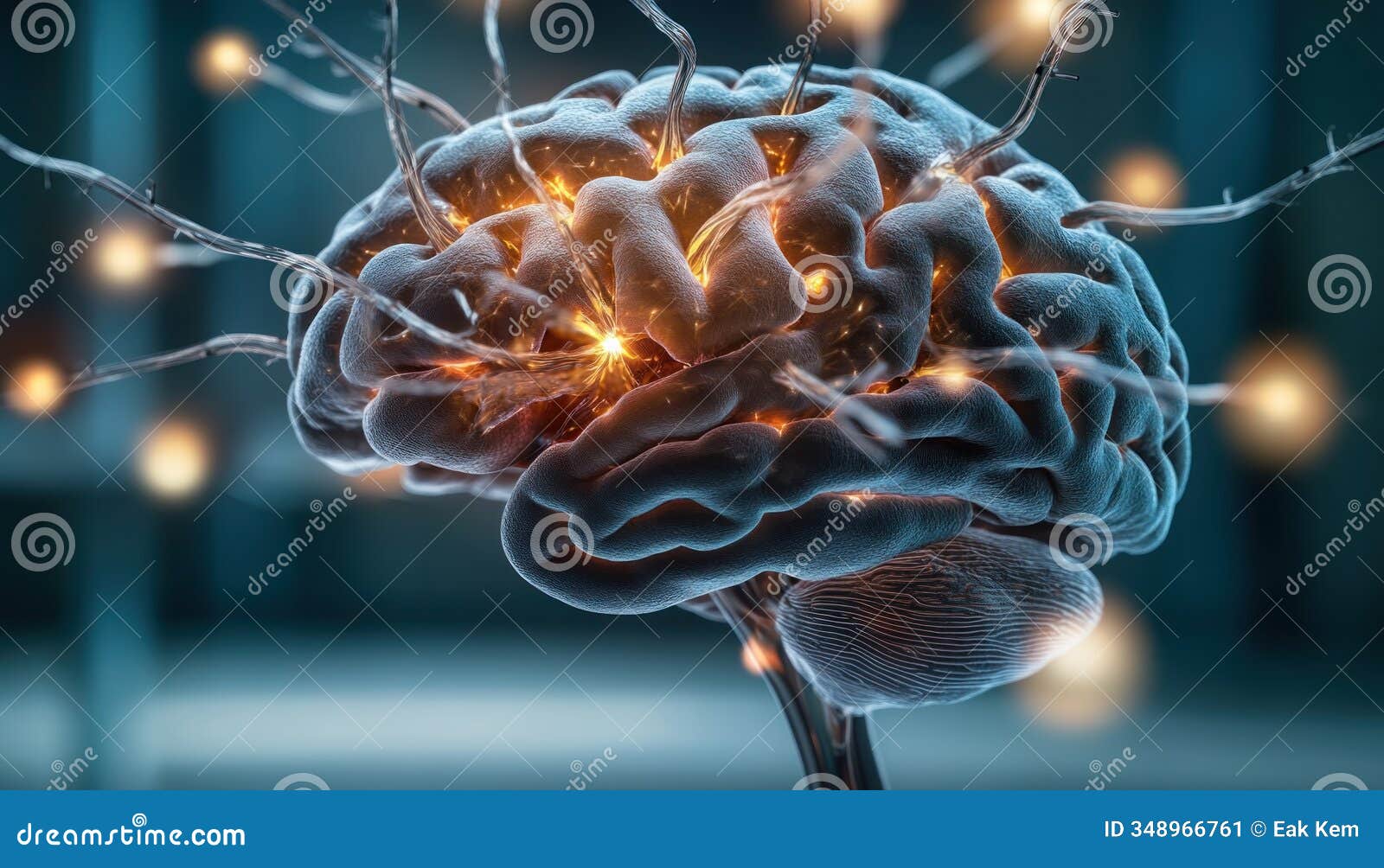
From the simple joy of slotting the final piece into a jigsaw to the intense satisfaction of solving a complex Sudoku grid, puzzles have captivated humanity for millennia. They are ubiquitous, transcending age, culture, and intellect, offering moments of delightful distraction or profound challenge. But beneath their unassuming veneer, puzzles harbor a power far greater than mere entertainment. They are, in essence, silent architects, meticulously chiseling and refining the very landscape of our brains, physically altering neural pathways, strengthening connections, and even fostering the birth of new cells. This isn’t merely a metaphorical reshaping; it’s a profound, tangible transformation rooted in the principles of neuroplasticity, a testament to the brain’s astonishing capacity for change.
To understand this intricate dance between mental exertion and physical transformation, we must embark on a journey deep within the skull, exploring the microscopic theaters where neurons perform their intricate ballet, and tracing the macro-level changes that manifest as enhanced cognition, sharpened memory, and an enduring resilience against the ravages of time. The story of how puzzles reshape our brains is a narrative of adaptability, growth, and the remarkable potential that lies within each of us, waiting to be unlocked one logical step, one visual match, one strategic move at a time.
The Brain’s Ever-Evolving Canvas: A Foundation in Neuroplasticity
For centuries, the prevailing scientific dogma held that the adult brain was a static, immutable organ, its structure fixed once childhood development concluded. This view, however, has been dramatically overturned by a wealth of research into neuroplasticity – the brain’s extraordinary ability to reorganize itself by forming new neural connections throughout life. It is the fundamental principle that underpins all learning, memory, and recovery from injury.
Neuroplasticity isn’t a singular phenomenon but a multifaceted process encompassing several key mechanisms:
-
Synaptogenesis and Synaptic Potentiation: Neurons communicate via synapses, tiny gaps where electrical signals are converted into chemical messengers (neurotransmitters). When we learn or engage in new cognitive tasks, new synapses can form (synaptogenesis), and existing ones can be strengthened (synaptic potentiation). This strengthening, often described by Hebb’s Law – "neurons that fire together, wire together" – makes future communication along that pathway more efficient. Long-term potentiation (LTP) is a persistent strengthening of synapses based on recent patterns of activity, a crucial cellular mechanism for learning and memory.
-
Neurogenesis: While once believed to be confined to early development, we now know that new neurons (neurogenesis) can be generated in certain brain regions even in adulthood, most notably in the hippocampus – a structure vital for memory formation and spatial navigation. This process is profoundly influenced by environmental enrichment, learning, and physical exercise.
-
Myelination: Neurons are insulated by a fatty sheath called myelin, which acts like the insulation around an electrical wire, speeding up the transmission of signals. The formation of new myelin (myelination) can occur in response to learning and experience, making neural networks more efficient.
-
Cortical Reorganization: The functional maps of the brain’s cortex are not fixed. Areas dedicated to specific functions can expand or shrink based on experience. For instance, a musician’s motor cortex representation for their instrument-playing fingers can be significantly larger than that of a non-musician.
It is within this dynamic framework of neuroplasticity that puzzles exert their profound influence. Each time we tackle a crossword, arrange jigsaw pieces, or strategize in a Sudoku, we are not just solving a problem; we are actively engaging these fundamental mechanisms, prompting our brains to adapt, grow, and reorganize.
The Puzzle’s Playground: How Different Challenges Engage Specific Brain Regions
Not all puzzles are created equal in terms of the specific cognitive demands they place on the brain. However, their collective impact is a symphony of neural activation, engaging a wide array of brain regions and fostering a holistic workout for the mind.
Logic Puzzles: The Architects of Executive Function
Puzzles like Sudoku, crosswords, riddles, and logic grid puzzles are quintessential exercises for the brain’s executive functions. These functions, primarily orchestrated by the prefrontal cortex (PFC), are the brain’s CEO, responsible for:
- Planning and Decision-Making: Sudoku requires anticipating consequences of number placement; crosswords demand evaluating word fit and checking for consistency.
- Working Memory: Holding multiple pieces of information in mind simultaneously – the numbers already placed, the potential candidates for empty cells, the definitions of clues – is a constant demand. The dorsolateral prefrontal cortex is particularly active here.
- Inhibition: Suppressing incorrect solutions or irrelevant information is crucial. For instance, rejecting a word for a crossword clue that doesn’t fit the length or existing letters.
- Cognitive Flexibility: Shifting strategies when one approach fails, adapting to new information.




Post Comment