Neurogenesis and Number Games: Can Puzzles Grow New Brain Cells?
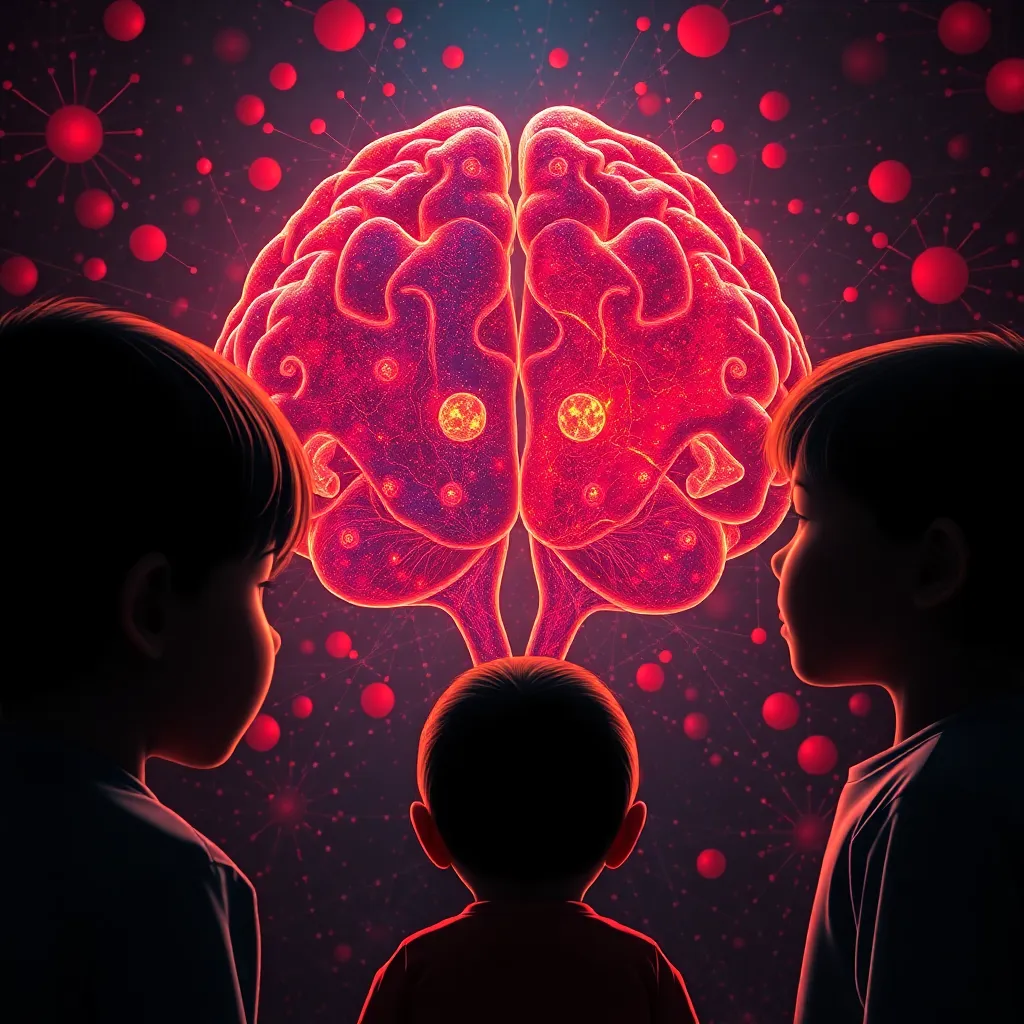
The human mind, a cosmos of consciousness nestled within the confines of our skulls, has long been the subject of awe, wonder, and relentless inquiry. For centuries, its perceived fixedness after early development stood as an immutable law, a biological decree that once the brain matured, its neuronal population was set, destined only for gradual decline. Then, a quiet revolution began to stir in the scientific community, culminating in a paradigm shift so profound it reshaped our understanding of ourselves: the discovery of adult neurogenesis. The brain, it turned out, was not a static masterpiece but a dynamic, ever-evolving landscape capable of generating new cells even into old age.
This revelation ignited a spark of immense hope. If our brains could grow new cells, could we harness this ability? Could we cultivate a richer, sharper mind, stave off the ravages of time, or even heal from injury and disease simply by engaging in certain activities? Enter the world of "brain training" – the ubiquitous apps, the Sudoku puzzles, the crosswords, and the myriad of logic games that promise to sharpen wits and, implicitly, strengthen the very fabric of our brains. The allure is undeniable: a simple, enjoyable path to a better brain. But can these number games and mental gymnastics truly grow new brain cells, triggering neurogenesis, or is the story far more intricate than the captivating headlines suggest? This article embarks on a journey to unravel this complex question, navigating the thrilling peaks of scientific discovery, the expansive plains of popular fascination, and the sometimes-treacherous valleys of marketing hype, all to paint a nuanced portrait of our brain’s remarkable capacity for change.
The Immutable Brain: A Pre-Neurogenesis Dogma
Before we dive into the exciting world of neurogenesis, it’s crucial to understand the intellectual bedrock upon which the old understanding of the brain rested. For much of neuroscience history, the prevailing dogma, championed by giants like Santiago Ramón y Cajal, the father of modern neuroscience, held that the adult brain was largely a static organ. Neurons, once formed, were considered permanent residents. If one died, it was gone forever. If connections were severed, the brain simply adapted around the loss, but new neurons were not produced to replace them. This "no new neurons" theory deeply influenced our understanding of learning, memory, aging, and neurological disorders. It painted a somewhat fatalistic picture: you were born with a certain number of neurons, and that was essentially your lot. Learning was understood as the strengthening or weakening of existing synaptic connections – a reshaping, not a rebuilding, of the neuronal architecture.
This perspective, while grounded in the observational limits of the time, had profound implications. It meant that recovery from brain injury was always a story of compensatory mechanisms rather than true regeneration. It implied that cognitive decline in aging was an inevitable consequence of neuronal loss without replenishment. It also made the idea of truly "enhancing" the brain beyond its innate capacity seem like science fiction. The brain was a beautifully intricate, but ultimately fixed, machine.
The Dawn of a Revolution: Discovering Neurogenesis
The first cracks in this long-held dogma appeared surprisingly early, though they largely went unnoticed or were dismissed by the mainstream. In the early 1960s, Joseph Altman, a largely solitary researcher at MIT, published groundbreaking papers describing newly generated neurons in the brains of adult rats, cats, and guinea pigs. Using autoradiography to track DNA synthesis, he observed cell division and migration in regions like the dentate gyrus of the hippocampus and the subventricular zone. His findings were revolutionary, but the scientific community, deeply entrenched in the Cajalian view, largely ignored or critiqued his methods. The idea was simply too radical, too contrary to established wisdom.
It took decades for Altman’s work to be rediscovered and validated. The 1980s saw Fernando Nottebohm at Rockefeller University demonstrate neurogenesis in the adult avian brain, showing new neurons integrating into songbird brains during seasonal learning. This offered compelling evidence for a functional role of adult neurogenesis in learning. Still, many argued that birds were unique, not representative of mammals, and certainly not humans.
The definitive breakthrough for mammals came in the 1990s. Fred Gage and his colleagues at the Salk Institute, along with other groups, unequivocally demonstrated adult neurogenesis in the hippocampus of rodents and primates. They showed that these newly born cells not only survived but matured, formed synapses, and integrated into existing neural circuits. The floodgates opened. Researchers began to understand the intricate ballet of neural stem cells, proliferation, migration, differentiation, and integration – a complex developmental process occurring continuously within specific niches of the adult brain.
Then, in 1998, a landmark study published by Peter Eriksson and Fred Gage, using post-mortem human brain tissue, provided the ultimate confirmation: adult neurogenesis occurs in the human hippocampus. This wasn’t just in animals; it was happening in us. The long-held dogma crumbled. Our brains, even as adults, were capable of generating new neurons, particularly in the dentate gyrus of the hippocampus – a region critical for learning, memory formation, and mood regulation. A new era in neuroscience had begun, brimming with possibilities.
The Allure of "Brain Training": From Lab to Living Room
The discovery of adult neurogenesis was not just a scientific curiosity; it was a revelation that resonated deeply with the public. The idea that our brains could be renewed, that we could actively cultivate new brain cells, tapped into a profound human desire for self-improvement and a fear of cognitive decline. This scientific breakthrough, complex and nuanced as it was, quickly filtered into popular culture, often in simplified and highly optimistic forms.
The market responded with alacrity. Suddenly, "brain training" became a buzzword, a promise packaged into myriad products. Apps like Lumosity, CogniFit, and Brain Age exploded in popularity, offering daily doses of puzzles and mental exercises designed to "boost" cognitive function. Beyond dedicated apps, traditional number games and logic puzzles – Sudoku, crosswords, chess, memory games – gained new cachet, marketed not just as enjoyable pastimes but as vital tools for brain health, implicitly or explicitly linked to the idea of growing new brain cells.
The underlying hypothesis seemed intuitively appealing: if mental stimulation leads to neuronal activity, and if new neurons can be generated, then engaging in challenging mental tasks should stimulate neurogenesis, leading to improved cognitive function. The narrative was compelling: spend a few minutes a day solving puzzles, and you could literally be building a better, sharper brain. The industry thrived, capitalizing on both the scientific excitement and the public’s understandable desire for a cognitive edge, particularly as populations aged and concerns about Alzheimer’s and dementia grew. Anecdotal evidence poured in, with individuals reporting feeling sharper, more focused, and mentally agile after consistent "brain training." For many, the feeling of mental exertion equated to mental growth, a direct translation of effort into biological change.
Decoding the Science: Do Puzzles Directly Induce Neurogenesis?
With the stage set by scientific discovery and popular enthusiasm, the critical question arises: how direct and potent is the link between engaging in number games and the actual process of neurogenesis? The answer, as is often the case in complex biological systems, is far from simple.
Neurogenesis, particularly in the hippocampus, is indeed responsive to environmental factors and behaviors. Robust scientific evidence, primarily from animal models but increasingly corroborated by indirect human studies, points to several key modulators:
- Physical Exercise: This is perhaps the most well-established and potent stimulator of hippocampal neurogenesis. Aerobic exercise, in particular, has been shown to significantly increase the proliferation and survival of new neurons in the dentate gyrus across various species, including humans. The mechanisms are complex, involving increased cerebral blood flow, release of neurotrophic factors like BDNF (Brain-Derived Neurotrophic Factor), and reduction of stress hormones.
- Enriched Environments: Classic animal studies demonstrate that living in an environment rich with toys, social interaction, and opportunities for exploration and learning dramatically boosts neurogenesis. This suggests that a multifaceted, stimulating environment is beneficial.
- Learning and Novelty: Learning new and challenging tasks, especially those requiring spatial memory and cognitive flexibility, has been shown to enhance neurogenesis. The brain seems to prioritize the generation of new neurons when faced with novel and demanding cognitive challenges that require encoding new information.
- Diet and Sleep: Certain dietary components (e.g., omega-3 fatty acids, flavonoids) and adequate sleep are also known to support neurogenesis, while chronic stress and sleep deprivation inhibit it.
So, where do puzzles fit into this picture? Puzzles certainly provide mental stimulation. They engage various cognitive domains: logic, problem-solving, attention, working memory, and sometimes even spatial reasoning (e.g., in certain visual puzzles). The brain is active when solving a Sudoku or a complex crossword. The question, however, is whether this type of mental stimulation is sufficiently potent and specific to directly trigger a significant increase in the birth and functional integration of new hippocampal neurons, and whether any such increase translates into generalizable cognitive improvements beyond the specific task.
The Evidence from Animal Models:
In animal studies, complex learning tasks, such as navigating a maze or learning a new motor skill, have been shown to increase neurogenesis. For example, mice trained on complex cognitive tasks exhibit higher rates of neurogenesis compared to control groups. This provides a biological basis for the idea that mental exertion can indeed influence neurogenesis. However, it’s crucial to note the distinction: these are often highly novel, multi-sensory, and physically engaging tasks, rather than repetitive number puzzles. The "learning" involved is often about acquiring entirely new skills or knowledge sets, requiring broad cognitive engagement.
The Challenge of Human Studies:
Directly measuring neurogenesis in living humans is exceptionally difficult, if not impossible, with current non-invasive technologies. Scientists often rely on indirect markers, post-mortem analysis, or inferential evidence from functional neuroimaging (fMRI), which shows changes in brain activity, not necessarily new cell growth.
Studies on "brain training" in humans often yield mixed results:




Post Comment