The Primal Re-Engineering: 7 Scientifically Proven Ways Running Transforms Your Body
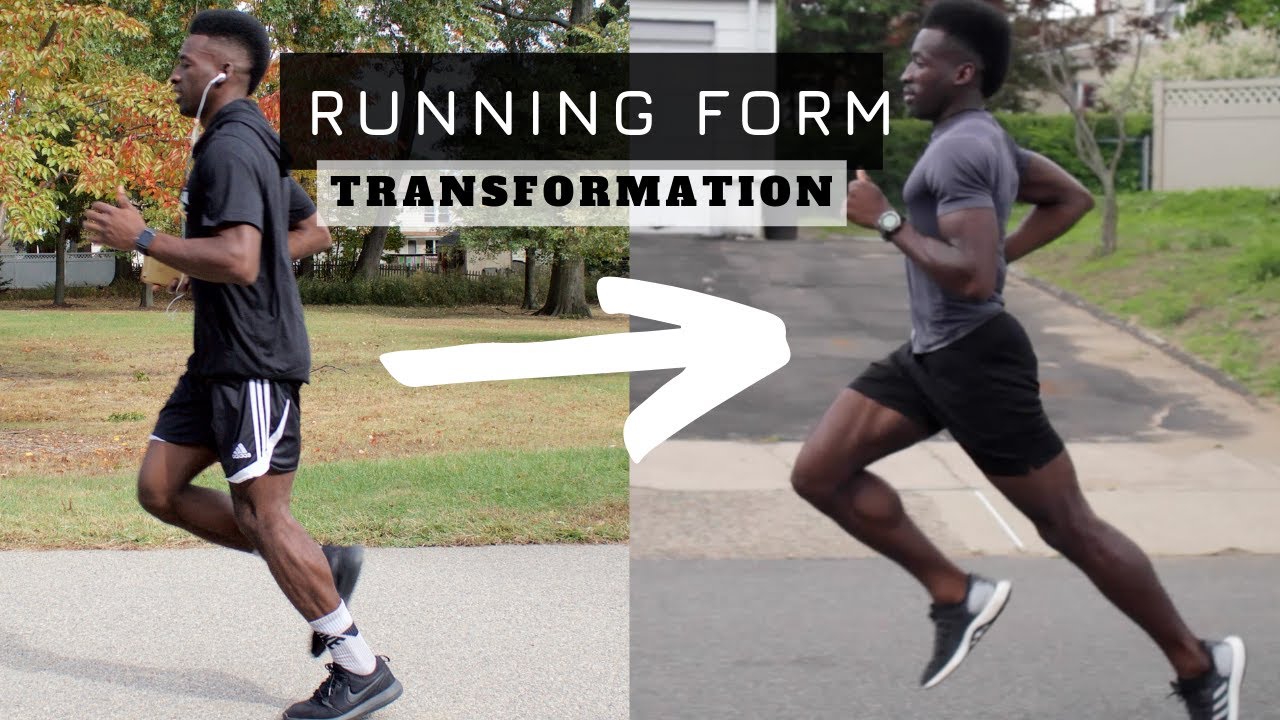
We are, at our core, creatures built for movement. For millennia, our survival hinged on our ability to traverse vast distances, to pursue, to escape. Running, in this ancestral context, was not merely an activity; it was the crucible in which human physiology was forged. Today, in an age of sedentary convenience, the act of lacing up and hitting the pavement might seem like a modern pursuit of fitness. Yet, beneath the conscious effort, a profound, almost alchemical transformation begins to unfold. It is a re-engineering, a return to factory settings optimized for resilience, efficiency, and longevity.
For the knowledgeable observer, the changes wrought by consistent running are far from superficial. They penetrate to the cellular and genetic level, orchestrating a symphony of adaptations that redefine what the human body is capable of. This isn’t just about burning calories or building visible muscle; it’s about a deep recalibration of our most fundamental systems. Let us embark on a journey through seven scientifically proven pathways by which running doesn’t just improve your body – it fundamentally transforms it, telling a story of ancient wisdom imprinted onto modern biology.
1. The Cardiovascular System: A Re-Forged Engine of Unparalleled Efficiency
Imagine your heart, a tireless pump, beating an average of 100,000 times a day. For the sedentary individual, this engine operates within a predictable, often constrained, range. But introduce the consistent, rhythmic stress of running, and this organ begins a remarkable metamorphosis, becoming a testament to nature’s adaptive brilliance. This isn’t just about making the heart "stronger" in a simplistic sense; it’s about a sophisticated architectural and functional overhaul.
At the macroscopic level, endurance running induces what is known as "athlete’s heart." This physiological hypertrophy, distinct from pathological enlargement, involves an increase in the volume of the left ventricle and a thickening of its walls. This adaptation allows the heart to pump a greater volume of blood with each beat – an increased stroke volume. Consequently, the trained runner’s heart can achieve the same cardiac output (the total volume of blood pumped per minute) with fewer beats, leading to a significantly lower resting heart rate. This reduction in beats over a lifetime translates to less wear and tear, effectively extending the functional lifespan of the myocardial tissue.
But the transformation extends beyond the heart itself. The entire vascular tree undergoes a remodeling. Chronic aerobic exercise stimulates angiogenesis, the formation of new capillaries, particularly in the working muscles. This expanded capillary network improves the efficiency of oxygen and nutrient delivery to the muscle cells and the removal of metabolic waste products like carbon dioxide and lactic acid. Concurrently, running enhances the elasticity of arteries, particularly the large conduit arteries. This improved arterial compliance reduces arterial stiffness, a significant risk factor for hypertension and cardiovascular disease. The endothelium, the inner lining of blood vessels, also benefits immensely. Regular increases in shear stress from blood flow upregulate the production of nitric oxide (NO), a potent vasodilator and anti-inflammatory molecule, further improving vascular health and reducing the risk of atherosclerosis.
Furthermore, running positively influences blood lipid profiles, leading to an increase in high-density lipoprotein (HDL) cholesterol and a reduction in low-density lipoprotein (LDL) cholesterol and triglycerides. It also plays a critical role in blood pressure regulation, often leading to a reduction in both systolic and diastolic pressures, even in individuals without pre-existing hypertension. This comprehensive re-engineering of the cardiovascular system transforms it into an engine of unparalleled efficiency, capable of sustaining high levels of activity with less effort, and providing robust protection against the degenerative diseases that plague modern society. It is the story of a system, honed by evolutionary demands, returning to its peak operational capacity.
2. The Musculoskeletal System: Forging a Resilient Framework
Our skeletal and muscular systems are often viewed as static structures, providing mere support and locomotion. Yet, the persistent, impactive demands of running reveal them to be dynamic, adaptive tissues constantly responding to mechanical stress. Running doesn’t just strengthen muscles; it fundamentally re-engineers the entire framework, creating a body that is both powerful and resilient.
Muscles, of course, are at the forefront of this transformation. While strength training focuses on hypertrophy of fast-twitch fibers, endurance running primarily enhances the efficiency and oxidative capacity of slow-twitch muscle fibers. These fibers, rich in mitochondria and myoglobin, become incredibly adept at sustained, low-force contractions, resisting fatigue for extended periods. This involves an increase in mitochondrial density and size within muscle cells, dramatically boosting their capacity for aerobic energy production. Additionally, the enzymes involved in aerobic metabolism become more abundant and active. This shift creates a lean, efficient musculature that consumes oxygen and fat more effectively, delaying the onset of fatigue and optimizing energy substrate utilization.
Beyond the muscle belly, the connective tissues – tendons, ligaments, and fascia – undergo significant adaptation. The repetitive loading and unloading during running stimulate the synthesis of collagen, strengthening these vital structures. Stronger tendons and ligaments improve joint stability, enhance force transmission from muscle to bone, and increase the resilience against strains and tears. This is a crucial, often overlooked, aspect of injury prevention and long-term joint health.
Perhaps one of the most profound, yet invisible, transformations occurs within the skeletal system. Bones are living tissues, constantly remodeling in response to the forces placed upon them, a principle known as Wolff’s Law. The impact forces generated during running, particularly weight-bearing activities, provide the osteogenic stimulus necessary to increase bone mineral density (BMD). This process involves osteoblasts (bone-building cells) depositing new bone matrix and osteoclasts (bone-resorbing cells) breaking down old bone. For runners, the net effect is a stronger, denser skeletal structure, significantly reducing the risk of osteoporosis and fragility fractures later in life. This is particularly critical in weight-bearing bones like the femur, tibia, and vertebrae.
Even cartilage, the cushioning tissue in our joints, benefits from running, contrary to popular myths. While excessive, improper loading can be detrimental, moderate, consistent running promotes the health of articular cartilage by stimulating the production and circulation of synovial fluid, the natural lubricant of our joints. This fluid nourishes the chondrocytes (cartilage cells) and ensures smooth, friction-free movement, potentially delaying the onset and progression of osteoarthritis by maintaining cartilage integrity and elasticity. The musculoskeletal system, through running, becomes a robust and adaptable structure, a testament to the body’s innate ability to fortify itself against the rigors of physical demand.
3. The Metabolic Engine: An Optimized Furnace for Sustained Performance
Our bodies are complex biochemical factories, constantly processing fuel to generate energy. For the sedentary individual, this factory often operates inefficiently, favoring carbohydrate burning and struggling with fat utilization. Running, however, acts as a powerful metabolic reprogrammer, transforming the body into a highly optimized furnace, adept at burning a wider array of fuels and extracting energy with superior efficiency.
The most significant metabolic adaptation is the dramatic increase in mitochondrial biogenesis within muscle cells. Mitochondria are the "powerhouses" of the cell, where aerobic respiration occurs, converting glucose and fatty acids into ATP. Consistent endurance training significantly increases both the number and size of mitochondria, vastly expanding the cellular capacity for aerobic energy production. This allows muscles to generate energy more efficiently, with less reliance on anaerobic pathways, thus delaying the accumulation of lactate and the onset of fatigue.
Hand-in-hand with mitochondrial growth is an enhanced ability to oxidize fat. Running trains the body to become more "fat-adapted." This means an increased capacity to transport fatty acids into muscle cells and then into the mitochondria for oxidation. For a knowledgeable audience, this involves upregulated activity of enzymes like carnitine palmitoyltransferase I (CPT-I), which is crucial for fatty acid transport, and increased levels of hormone-sensitive lipase (HSL), which mobilizes fatty acids from adipose tissue. This metabolic flexibility means the body can spare its limited glycogen stores, allowing for longer durations of activity without "hitting the wall." It also contributes significantly to body composition improvements, reducing body fat percentages.
Furthermore, running profoundly impacts insulin sensitivity. Regular physical activity enhances the ability of cells, particularly muscle cells, to respond to insulin, leading to more efficient glucose uptake from the bloodstream. This is mediated by increased expression and translocation of GLUT4 glucose transporters to the cell surface. Improved insulin sensitivity is a cornerstone of metabolic health, reducing the risk of type 2 diabetes and metabolic syndrome. It also optimizes glycogen storage, allowing muscles and the liver to store more carbohydrates, which serve as readily available fuel during high-intensity efforts.
The metabolic transformation also extends to thermoregulation. Running, by increasing metabolic rate, generates heat. Over time, the body adapts by becoming more efficient at dissipating this heat through sweating and improved peripheral blood flow. This adaptation enhances the body’s ability to maintain core temperature, crucial for sustained performance in various environmental conditions. The entire metabolic engine is re-tuned, becoming a highly adaptable, efficient, and resilient system, capable of sustained output and optimized fuel management.
4. The Brain: A Sharpened Mind and Fortified Emotional Resilience
While often perceived as a purely physical endeavor, running’s most profound transformations may occur not in the muscles or heart, but within the intricate folds of the brain. The rhythmic, repetitive action, coupled with the physiological demands, orchestrates a symphony of neurochemical and structural changes that sharpen cognitive function, bolster emotional resilience, and even foster neurogenesis.
One of the most celebrated neurobiological effects of running is the surge in Brain-Derived Neurotrophic Factor (BDNF). Often dubbed "Miracle-Gro for the brain," BDNF is a protein that promotes the growth, differentiation, and survival of neurons. It plays a crucial role in neurogenesis – the formation of new neurons, particularly in the hippocampus, a brain region vital for learning and memory. This is a direct counter to the age-related decline in cognitive function and offers a powerful mechanism for enhancing memory retention and learning capacity. For the knowledgeable audience, BDNF also influences synaptic plasticity, strengthening the connections between neurons, which is the very basis of learning.
Running also acts as a potent modulator of neurotransmitters. The "runner’s high" is famously attributed to endorphins, endogenous opioid peptides that bind to pain receptors, producing euphoria and analgesia. However, the more nuanced picture also includes endocannabinoids, neurotransmitters that interact with the body’s endocannabinoid system, influencing mood, pain sensation, and appetite. These biochemical shifts contribute significantly to stress reduction and have profound anti-depressant and anxiolytic (anti-anxiety) effects, often proving as effective as pharmacological interventions for mild to moderate depression.
Beyond mood regulation, consistent running enhances various aspects of executive function. Studies have shown improvements in working memory, attention, problem-solving abilities, and cognitive flexibility. This is partly due to increased blood flow to the prefrontal cortex, the brain’s command center, but also through the cumulative effects of BDNF and neurotransmitter modulation. The disciplined act of running itself, requiring goal setting, planning, and perseverance, naturally trains these executive functions.
Furthermore, running influences sleep architecture. Regular physical activity, when appropriately timed, promotes deeper, more restorative sleep cycles. This improved sleep quality is crucial for memory consolidation, cellular repair, and overall cognitive health, creating a positive feedback loop where better sleep enhances running performance, and running enhances sleep. The brain, through the sustained practice of running, becomes a more resilient, sharper, and emotionally balanced organ, capable of navigating the complexities of modern life with enhanced clarity and fortitude.




Post Comment