Longevity on Foot: How Regular Running Adds Years to Your Life (and Life to Your Years)
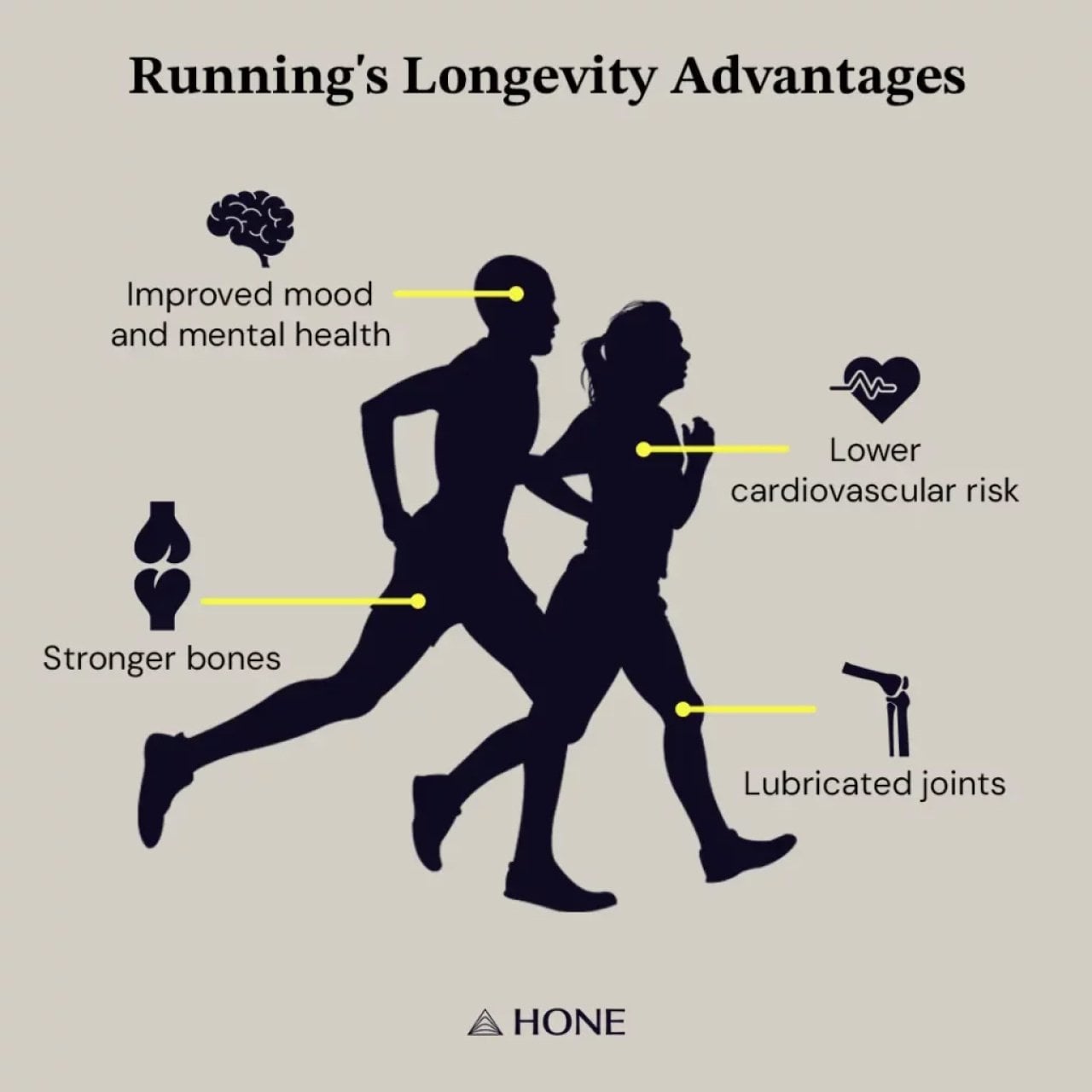
The human quest for longevity is as ancient as consciousness itself. From mythical elixirs to modern genetic engineering, humanity has long dreamed of extending its fleeting lease on life. Yet, amidst the dazzling complexities of contemporary science, a profoundly simple, accessible, and deeply effective pathway to a longer, healthier, and more vibrant existence lies literally at our feet: regular running. It is a primal act, a rhythmic engagement with the earth, that whispers profound benefits into every cell, tissue, and system of our being. Running isn’t merely a physical exercise; it is a holistic investment, a moving meditation that sculpts not only a resilient body but also a sharper mind and a more expansive spirit. It doesn’t just add years to your life; it profoundly adds life to your years, transforming the latter decades from a period of decline into an era of sustained vitality and purposeful engagement.
Imagine a future where the sunset years are not characterized by fragility and dependence, but by an enduring capacity to explore, create, and connect. A future where the simple act of tying one’s shoelaces, climbing a flight of stairs, or chasing after a grandchild remains a joyful given, not a Herculean effort. This future, for many, is being actively built, mile by mindful mile, on the roads, trails, and tracks of the world. The science behind this transformation is compelling, spanning from the macroscopic marvel of a stronger heart to the microscopic elegance of cellular repair and rejuvenation. For the knowledgeable audience, understanding these mechanisms not only reinforces the conviction but also deepens the appreciation for the intricate dance between movement and life itself.
The Cardiovascular Symphony: A Stronger Heart, A Longer Life
At the very core of running’s profound impact on longevity lies its unparalleled ability to fortify the cardiovascular system. The heart, a tireless pump, is a muscle, and like any muscle, it thrives on challenge and adaptation. Regular running subjects the heart to rhythmic, sustained demands, prompting it to become more efficient, stronger, and more resilient. This training manifests in several critical ways that directly translate to extended lifespan and improved quality of life.
Firstly, a runner’s heart typically develops a lower resting heart rate. This is a hallmark of cardiovascular efficiency; the heart doesn’t have to work as hard to circulate blood throughout the body. Each beat is more powerful, ejecting a greater volume of blood (increased stroke volume). Over a lifetime, fewer beats equate to less wear and tear, effectively preserving the heart’s operational capacity for longer. Furthermore, running significantly improves blood pressure regulation. Chronic hypertension is a silent killer, relentlessly damaging arterial walls and contributing to a cascade of cardiovascular diseases. The rhythmic dilation and constriction of blood vessels during running enhance arterial elasticity, making them more pliable and less prone to stiffening. This physiological adaptation helps to maintain healthy blood pressure levels, significantly reducing the risk of heart attack, stroke, and kidney disease.
Beyond pressure, running meticulously sculpts the body’s lipid profile. It is a powerful catalyst for increasing high-density lipoprotein (HDL) cholesterol, often dubbed "good" cholesterol, which actively helps remove excess cholesterol from arterial walls and transport it back to the liver for excretion. Concurrently, regular aerobic exercise helps to lower levels of low-density lipoprotein (LDL) cholesterol, the "bad" cholesterol implicated in plaque formation. This favorable shift in the lipid balance, combined with reduced inflammation, directly combats atherosclerosis – the hardening and narrowing of arteries – which is the primary driver of most cardiovascular pathologies. By keeping arteries clear and flexible, running ensures a robust, unobstructed flow of oxygen and nutrients to every corner of the body, powering optimal function and delaying the onset of age-related vascular dysfunction. The cardiovascular symphony orchestrated by consistent running is a testament to the body’s remarkable capacity for adaptation, a silent, efficient engine that propels a longer, healthier journey.
Metabolic Mastery: Defeating the Scourge of Modernity
In an era grappling with epidemics of obesity and Type 2 Diabetes, running emerges as a formidable metabolic guardian. Its ability to finely tune the body’s energy regulation systems is a cornerstone of longevity, protecting against the insidious cellular dysregulation that underpins many chronic diseases. The most immediate and profound impact is on insulin sensitivity and glucose regulation. With every stride, working muscles demand glucose for fuel, prompting cells to become more receptive to insulin – the hormone responsible for ushering glucose from the bloodstream into cells. This enhanced insulin sensitivity is critical for preventing insulin resistance, the precursor to Type 2 Diabetes, and maintaining stable blood sugar levels. Regular runners effectively train their bodies to be glucose disposal machines, efficiently utilizing carbohydrates and preventing their harmful accumulation in the blood.
Furthermore, running is a potent weapon in the battle against excess weight and visceral fat. While calorie expenditure is an obvious factor, the metabolic benefits extend far beyond simple thermodynamics. Running helps to build and maintain lean muscle mass, which is metabolically more active than fat tissue, contributing to a higher resting metabolic rate. It also promotes the utilization of fat as fuel, improving the body’s fat-burning capacity. The reduction of visceral fat – the dangerous fat surrounding internal organs – is particularly significant, as this adipose tissue is metabolically active, releasing inflammatory cytokines that contribute to systemic inflammation and insulin resistance. By whittling down these harmful fat stores, running dismantles a key driver of metabolic syndrome, a cluster of conditions including abdominal obesity, high blood pressure, high blood sugar, and abnormal cholesterol levels, all of which dramatically escalate the risk of cardiovascular disease and Type 2 Diabetes.
Beyond glucose and fat, running positively influences liver health, reducing the risk of non-alcoholic fatty liver disease (NAFLD), a growing concern linked to metabolic dysfunction. It optimizes the body’s entire energy infrastructure, making it more adaptable and resilient in the face of dietary fluctuations and environmental stressors. The invisible battle against cellular resistance, against the creeping inefficiency of metabolic pathways, is won with every kilometer covered, allowing the body to maintain youthful metabolic vigor for decades longer.
The Resilient Framework: Bones, Joints, and Muscles for the Long Haul
One of the most persistent myths surrounding running is its supposed detriment to joints, particularly the knees. For a knowledgeable audience, it’s crucial to dismantle this misconception with evidence-based understanding. Far from wearing out joints, regular, moderate running, especially when combined with proper form and strength training, actually strengthens the musculoskeletal system, building a resilient framework for the long haul.
The impact of running, when controlled and progressive, is a powerful stimulus for bone remodeling. According to Wolff’s Law, bone adapts to the loads placed upon it. The repetitive, weight-bearing stress of running signals osteoblasts (bone-building cells) to increase bone mineral density, effectively combating osteoporosis and osteopenia, conditions that lead to fragile bones and increased fracture risk in later life. Studies have consistently shown that runners tend to have higher bone density, particularly in the lower limbs and spine, compared to sedentary individuals. This robust skeletal foundation is crucial for maintaining independence and preventing debilitating injuries as we age.
Regarding joints, particularly the knees, research indicates that runners generally have a lower incidence of osteoarthritis than non-runners. The impact of running helps to circulate synovial fluid, which nourishes cartilage and removes waste products. Furthermore, the muscles surrounding the joints (quadriceps, hamstrings, glutes) become stronger and more supportive, providing greater stability and shock absorption, thereby protecting the joint itself. The key lies in progressive training, listening to the body, and addressing any biomechanical imbalances. It’s not the act of running itself that damages joints, but often poor form, excessive mileage without adequate recovery, or pre-existing conditions that are exacerbated.
Crucially, running is a potent defense against sarcopenia – the age-related loss of muscle mass and strength. While not a pure strength-building exercise, running, especially with varied terrain and intensities, recruits and strengthens major muscle groups in the legs, core, and glutes. Maintaining this muscle mass is paramount for functional independence, balance, and preventing falls in later life. The ability to rise from a chair, carry groceries, or simply maintain equilibrium is directly tied to muscle strength. By building and preserving this vital muscle tissue, running ensures that the body’s scaffolding remains robust, defying the gravitational pull of time and supporting an active, engaged existence well into old age.
The Agile Mind: Running’s Cognitive Dividend
The benefits of running extend far beyond the neck, profoundly influencing brain health and cognitive function – a critical determinant of quality of life in later years. The rhythmic footfalls on the pavement are, in essence, a moving meditation that fuels neuroplasticity and fortifies the mind against the ravages of time.
One of the most exciting discoveries in neuroscience is the phenomenon of neurogenesis – the birth of new brain cells. Running, particularly aerobic exercise, has been shown to stimulate neurogenesis in the hippocampus, a brain region crucial for learning and memory. This is largely mediated by Brain-Derived Neurotrophic Factor (BDNF), a powerful protein that acts like "Miracle-Gro" for brain cells, promoting their growth, survival, and differentiation. Higher levels of BDNF are associated with improved cognitive functions, including memory retention, attention span, and executive functions like planning and problem-solving. This isn’t just about preventing decline; it’s about actively enhancing cognitive capabilities.
Moreover, regular running significantly reduces the risk of neurodegenerative diseases such as Alzheimer’s and dementia. The mechanisms are multi-faceted: improved cardiovascular health ensures a robust blood supply to the brain, delivering essential oxygen and nutrients while clearing metabolic waste products. Reduced systemic inflammation, another benefit of running, also plays a protective role, as chronic inflammation is implicated in neurodegeneration. Running also helps regulate amyloid-beta protein, a hallmark of Alzheimer’s disease.
Beyond disease prevention, running is a powerful mood regulator and stress reducer. The "runner’s high," often attributed to endorphins, is also influenced by endocannabinoids, which produce feelings of euphoria and relaxation. Regular physical activity, especially running, significantly reduces symptoms of depression and anxiety, providing a natural antidepressant and anxiolytic effect. It offers a structured outlet for stress, allowing the mind to detach from daily pressures and achieve a state of focused calm. This mental clarity often translates into improved sleep quality, a critical component of overall brain health and cognitive restoration. In essence, running clears the mental fog, sparks creativity, and fosters a mind as nimble and resilient as the body it inhabits, preserving the very essence of who we are well into our later decades.
Cellular Longevity: Diving Deep into the Microcosm
To truly appreciate running’s impact on longevity, we must delve into the microscopic world of our cells, where the intricate dance of life and decay unfolds. Here, running acts as a powerful orchestrator of cellular health, influencing fundamental processes that dictate our biological age.
One of the most fascinating areas of research concerns telomeres – the protective caps at the ends of our DNA strands. Telomeres naturally shorten with each cell division, and critically short telomeres are associated with cellular senescence (aging) and an increased risk of age-related diseases. While running doesn’t stop telomere shortening, studies suggest that regular moderate-to-vigorous physical activity can mitigate the rate of shortening or even promote the activity of telomerase, the enzyme responsible for rebuilding telomeres. This microscopic preservation of our genetic integrity is a profound anti-aging mechanism.
Furthermore, running dramatically enhances mitochondrial function. Mitochondria are the powerhouses of our cells, responsible for generating ATP, the energy currency of life. Regular exercise stimulates mitochondrial biogenesis – the creation of new mitochondria – and improves the efficiency of existing ones. More numerous and more efficient mitochondria mean better energy production, reduced oxidative stress (fewer harmful byproducts), and enhanced cellular resilience. This cellular vitality translates directly to sustained organ function and overall energetic well-being.
Running also acts as a potent anti-inflammatory agent and helps manage oxidative stress. While acute exercise can temporarily increase oxidative stress, chronic regular training upregulates the body’s endogenous antioxidant defense systems, making cells more robust against oxidative damage. Similarly, while intense exercise can cause transient inflammation, consistent moderate running helps to reduce chronic systemic inflammation, a silent driver of numerous age-related diseases, including cardiovascular disease, cancer, and neurodegeneration. It promotes the production of anti-inflammatory cytokines and improves the function of immune cells.
Moreover, running stimulates autophagy – the cellular "self-eating" process where damaged or dysfunctional cellular components are recycled and removed. This cellular clean-up crew is essential for maintaining cellular health and preventing the accumulation of waste products that contribute to aging and disease. By promoting efficient autophagy, running helps keep our cellular machinery pristine and functional.
Finally, the impact on the immune system is profound. Regular, moderate running strengthens the immune system, enhancing immune surveillance and making the body more adept at fighting off infections and even detecting and eliminating nascent cancer cells. This multifaceted cellular impact – from telomere preservation to mitochondrial optimization, from inflammation reduction to immune system enhancement – paints a clear picture of how running acts as a microscopic architect of longevity, ensuring that the very building blocks of life remain robust and youthful for as long as possible.
The "Life to Your Years": Beyond Mere Existence
While adding years to life is a compelling outcome, the true magic of regular running lies in its unparalleled capacity to add life to your years. Longevity without vitality, purpose, and independence is a hollow victory. Running champions a quality of life that transcends mere existence, enriching the human experience on multiple dimensions.




Post Comment