The Inner Garden: Why Kiwi is the Ultimate Prebiotic for Your Microbiome
Imagine a bustling, vibrant city within you, teeming with trillions of inhabitants. This metropolis, the human microbiome, is not a silent, passive resident but a dynamic ecosystem that profoundly influences your health, mood, and even your thoughts. For centuries, its existence was largely unknown, its immense power unappreciated. Today, as science unravels its mysteries, we understand that nurturing this inner garden is perhaps the most fundamental act of self-care.
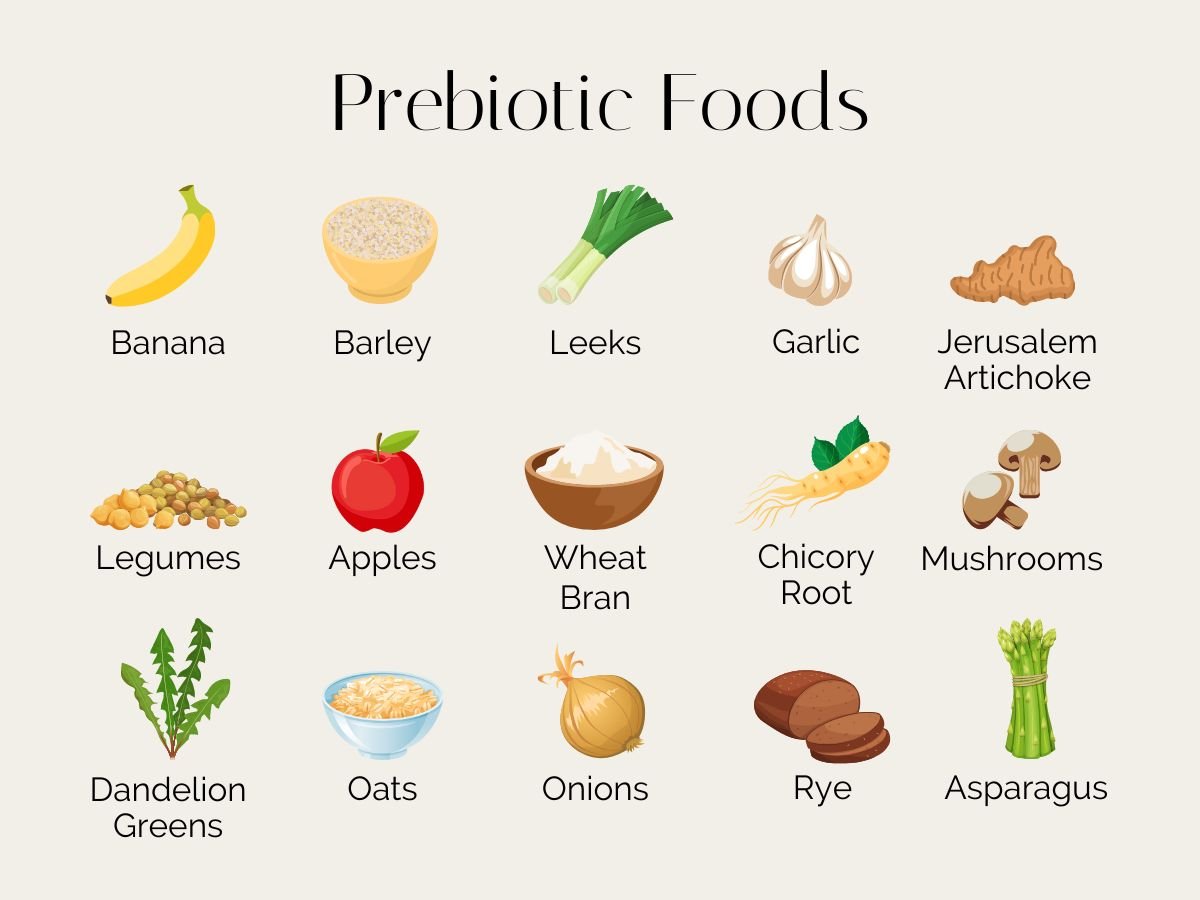
In this intricate dance between host and microbe, prebiotics emerge as unsung heroes – the essential nourishment for the beneficial residents of our gut. While probiotics introduce new beneficial bacteria, prebiotics are the fertilizers that help our existing good bacteria thrive, multiply, and perform their vital functions. And among the vast array of foods that offer this crucial support, one unassuming fruit stands out, not just for its vibrant green flesh and tangy sweetness, but for its remarkably comprehensive prebiotic profile: the kiwi.
This article delves deep into the fascinating world of the microbiome, illuminates the critical role of prebiotics, and ultimately reveals why the humble kiwi fruit is, in fact, the ultimate prebiotic for cultivating a thriving inner ecosystem. Prepare to journey into the microscopic, where every bite of kiwi becomes an act of profound self-nurturing.
The Microbiome: A Universe Within – The Foundation of Our Being
Before we crown kiwi as the ultimate prebiotic, we must first understand the kingdom it seeks to serve. The human microbiome is a complex community of microorganisms—bacteria, archaea, fungi, viruses, and protozoa—that reside on and within our bodies. The most densely populated of these communities is the gut microbiome, primarily located in the large intestine. Far from being mere passengers, these microscopic beings are active participants in nearly every aspect of our physiology.
Consider the sheer scale: our bodies contain roughly as many microbial cells as human cells, and their collective genetic material, the "microbiome," dwarfs our own human genome by a factor of 100. This genetic diversity translates into an astonishing array of metabolic capabilities that we, as humans, simply do not possess. They are our silent partners, our internal pharmacists, our immune system trainers, and even, to a surprising extent, our mood regulators.
The Multifaceted Roles of Our Microbial Tenants:
- Digestion and Nutrient Absorption: Our gut microbes ferment indigestible dietary fibers (the very prebiotics we’re discussing) into short-chain fatty acids (SCFAs) like butyrate, acetate, and propionate. These SCFAs are not waste products; they are vital energy sources for our colon cells, contribute to satiety, and play crucial roles in metabolic health. They also assist in the breakdown of complex carbohydrates that our own enzymes cannot handle, extracting additional calories and nutrients.
- Immune System Modulation: A staggering 70-80% of our immune system resides in the gut. The microbiome constantly interacts with our immune cells, teaching them to distinguish between friend and foe, training them to respond appropriately to pathogens, and preventing overreactions to harmless substances. A diverse and balanced microbiome is synonymous with a robust and well-regulated immune system.
- Vitamin Synthesis: Our gut bacteria are tiny factories, producing essential vitamins like vitamin K (critical for blood clotting) and several B vitamins (B12, folate, biotin), which are vital for energy production, nerve function, and DNA synthesis.
- Protection Against Pathogens: A healthy microbiome creates a "barrier effect," physically occupying niches and outcompeting harmful bacteria for resources. They also produce antimicrobial compounds that inhibit the growth of unwelcome invaders, preventing infections.
- Brain-Gut Axis Communication: This bidirectional communication highway links the emotional and cognitive centers of the brain with peripheral intestinal functions. Gut microbes produce neurotransmitters (like serotonin, dopamine, and GABA) and modulate their levels, influencing mood, stress response, and even cognitive function. Dysbiosis has been linked to anxiety, depression, and neurodegenerative conditions.
- Metabolic Health: The microbiome influences how we store fat, respond to insulin, and extract energy from our diet. Imbalances can contribute to obesity, insulin resistance, and type 2 diabetes.
When this delicate ecosystem falls out of balance, a state known as dysbiosis, the consequences can be profound. Inflammation, increased intestinal permeability ("leaky gut"), digestive disorders like Irritable Bowel Syndrome (IBS) and Inflammatory Bowel Disease (IBD), autoimmune conditions, allergies, metabolic syndrome, and even neurological disorders have all been linked to a disrupted microbiome.
This understanding underscores the profound importance of nurturing our gut inhabitants. And this is where prebiotics step onto the stage, offering a targeted strategy to feed and empower our beneficial bacterial allies.
Prebiotics: Fueling the Good Guys – The Strategic Nourishment
The concept of prebiotics, first formally defined in 1995 by Gibson and Roberfroid, is surprisingly elegant in its simplicity: they are selectively fermented ingredients that allow specific changes, both in the composition and/or activity in the gastrointestinal microbiota, that confer host benefits.
Let’s break down that definition:
- Selectively Fermented: This is key. Prebiotics are not just any fiber. They are specifically targeted by beneficial gut bacteria, like Bifidobacterium and Lactobacillus, which possess the unique enzymatic machinery to break them down. Pathogenic bacteria, generally, cannot utilize them as effectively.
- Changes in Composition and/or Activity: This refers to the desired outcome: an increase in the populations of beneficial bacteria and an enhancement of their metabolic activities, such as increased SCFA production.
- Confer Host Benefits: The ultimate goal is improved human health—better digestion, stronger immunity, enhanced mood, and protection against disease.
Prebiotics vs. Probiotics: A Crucial Distinction:
While often discussed together, prebiotics and probiotics play different, albeit complementary, roles.
- Probiotics: Live microorganisms that, when administered in adequate amounts, confer a health benefit on the host. Think of them as introducing new beneficial workers to the factory floor. They can be incredibly useful, especially after antibiotic use or during acute digestive upset.


Post Comment