The Verdant Verdict: Why Kiwis Beat Oranges for Your Daily Dose
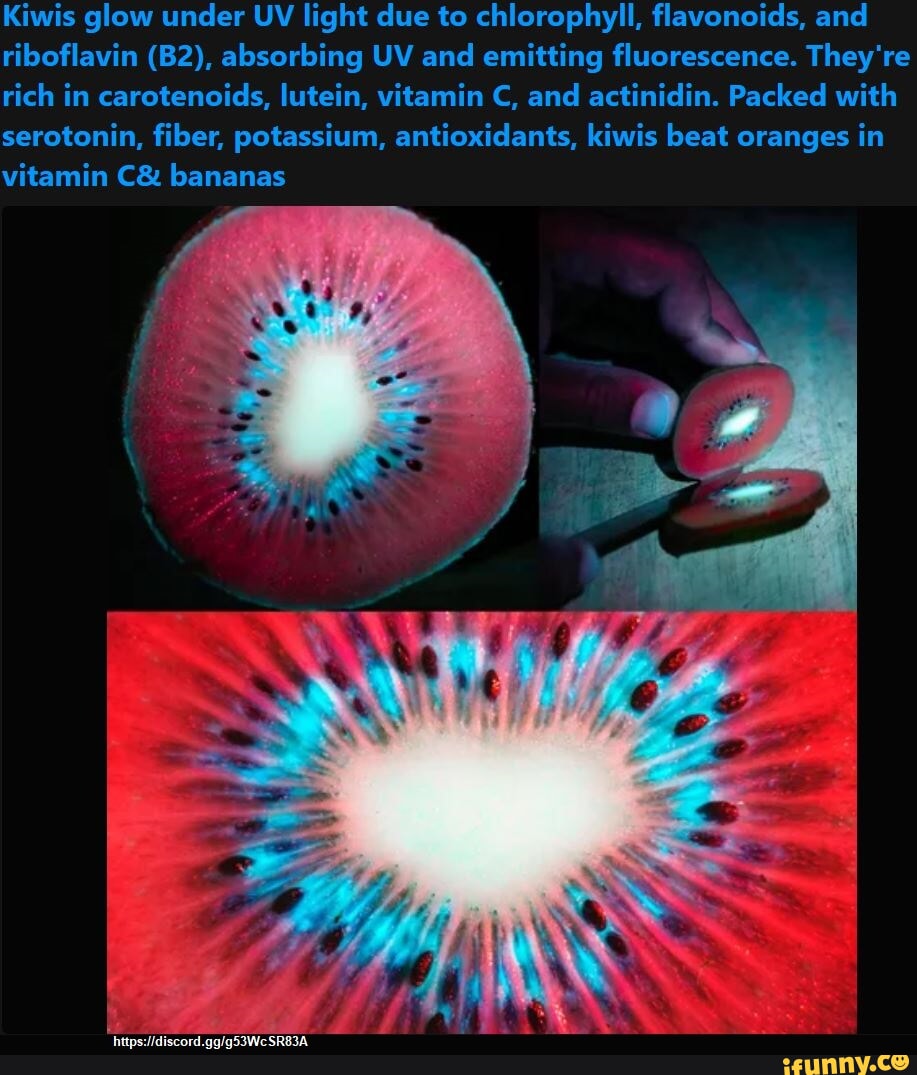
For generations, the humble orange has held an almost unassailable throne in the pantheon of daily nutrition. Its vibrant hue, refreshing tang, and most famously, its prodigious vitamin C content, have cemented its status as the go-to fruit for warding off colds and boosting immunity. It’s the fruit we instinctively reach for, a symbol of health ingrained in our collective consciousness. But what if the king has been dethroned, not by a sudden coup, but by a quiet, fuzzy green challenger that has been steadily building a more comprehensive, nuanced, and ultimately superior nutritional profile?
Enter the kiwi. Once an exotic curiosity, this small, unassuming fruit, with its distinctive hairy skin and emerald flesh, has steadily climbed the ranks, revealing itself to be a nutritional powerhouse that, upon closer inspection, outshines its citrus counterpart in a multitude of crucial ways. This isn’t merely a contest of numbers; it’s a story of synergistic nutrients, unique bioactives, and a holistic approach to wellness that makes the kiwi a far more potent and pragmatic choice for your daily dose of vitality.
The Vitamin C Showdown: Beyond the Headline Number
Let’s address the elephant in the room first: Vitamin C. For decades, the orange has been synonymous with this essential ascorbic acid. Indeed, a medium orange packs a significant punch, often delivering around 70-80mg of Vitamin C, sometimes more, easily fulfilling the recommended daily intake for most adults. It’s a respectable performance, no doubt.
However, the kiwi, particularly the common green Actinidia deliciosa variety, often surpasses this. A single medium kiwi typically contains between 70-100mg of Vitamin C, with some cultivars, like the SunGold (yellow) kiwi, boasting even higher concentrations, sometimes exceeding 160mg per fruit. This immediately puts the kiwi on par, if not ahead, of the orange in sheer quantity.
But for the knowledgeable palate, nutrition is rarely just about raw numbers. It’s about context, bioavailability, and the supporting cast of compounds that enhance absorption and efficacy. Here, the kiwi truly begins to pull ahead. The matrix of other nutrients within the kiwi – its rich array of flavonoids, phenolic compounds, and enzymes – is believed to create a synergistic effect that enhances the absorption and utilization of its Vitamin C. While oranges also contain beneficial flavonoids like hesperidin and naringenin, the specific combination and diversity found in kiwi appear to offer a more robust antioxidant network, allowing Vitamin C to perform its vital roles in immune function, collagen synthesis, and antioxidant defense with greater efficiency. It’s not just how much Vitamin C you consume, but how effectively your body can put it to work.
Fiber: The Unsung Hero and the Kiwi’s Gut-Health Gambit
If Vitamin C is the flashiest celebrity nutrient, fiber is the diligent, often overlooked stage crew that makes the entire show run smoothly. And in the realm of fiber, the kiwi is an undisputed champion, leaving the orange far behind.
A medium kiwi typically provides around 2-3 grams of dietary fiber, while a medium orange offers about 3-4 grams. On the surface, these numbers seem comparable. However, the type and balance of fiber are crucial. Kiwis contain a potent blend of both soluble and insoluble fiber. The soluble fiber forms a gel-like substance in the digestive tract, which helps to slow down digestion, stabilize blood sugar levels, and lower cholesterol. The insoluble fiber adds bulk to stool, promoting regular bowel movements and preventing constipation, a common modern ailment. This balanced duo makes kiwi exceptionally effective for gut health.
But the kiwi’s gut-health prowess doesn’t stop there. It boasts a unique proteolytic enzyme called actinidin. This enzyme, not found in oranges, specifically aids in the digestion of proteins. For individuals who struggle with protein digestion or experience bloating after meals, the inclusion of kiwi can be a game-changer, helping to break down tough meat fibers and dairy proteins, thus enhancing nutrient absorption and reducing digestive discomfort. This is a significant functional advantage that oranges simply cannot offer.
Furthermore, the fiber in kiwi acts as a powerful prebiotic, feeding the beneficial bacteria in your gut microbiome. A thriving microbiome is increasingly recognized as central to overall health, influencing everything from immune function and mood to metabolic health and nutrient absorption. By fostering a healthy gut environment, kiwi doesn’t just relieve symptoms; it actively promotes systemic wellness from the inside out. While oranges also contribute fiber, their specific composition and lack of actinidin place them a step behind in this crucial arena.
Beyond Vitamin C: A Symphony of Micronutrients
While oranges are often lauded as a one-trick pony for Vitamin C, the kiwi reveals itself to be a veritable symphony of essential micronutrients, offering a far broader and more diverse nutritional spectrum.
-
Vitamin K: This often-overlooked fat-soluble vitamin is crucial for blood clotting, bone health, and even cardiovascular health. Kiwis are an excellent source of Vitamin K1, providing around 30-40 micrograms per fruit, which is a substantial percentage of the daily recommended intake. Oranges, by contrast, contain negligible amounts of Vitamin K. For those seeking to support bone density or ensure proper coagulation, kiwi is the clear winner.
-
Vitamin E: Another potent fat-soluble antioxidant, Vitamin E plays a vital role in protecting cell membranes from oxidative damage, supporting immune function, and maintaining healthy skin and eyes. While oranges contain some Vitamin E, kiwis are significantly richer, offering around 1.5-2mg per fruit. This combination of Vitamin C and E in kiwi creates a powerful antioxidant synergy, providing comprehensive protection against free radical damage.
-
Folate (Vitamin B9): Essential for cell division, DNA synthesis, and red blood cell formation, folate is particularly important during periods of rapid growth, like pregnancy. Kiwis are a good source of folate, providing around 17-20 micrograms per fruit. While oranges also contain folate, the kiwi’s overall B-vitamin profile tends to be more robust, contributing to energy metabolism and neurological health.
-
Potassium: Both fruits are decent sources of potassium, an electrolyte vital for maintaining fluid balance, nerve signals, and muscle contractions, including those of the heart. However, the kiwi often contains a comparable or even slightly higher amount per serving, making it an excellent choice for supporting healthy blood pressure and overall cardiovascular function.
-
Magnesium: Involved in over 300 enzymatic reactions in the body, magnesium is critical for muscle and nerve function, blood glucose control, and blood pressure regulation. Kiwis offer a respectable amount of magnesium, contributing to this broad spectrum of vital bodily processes.




Post Comment