The Rhythmic Pulse of Life: How Daily Exercise Unlocks Optimal Blood Flow, Naturally
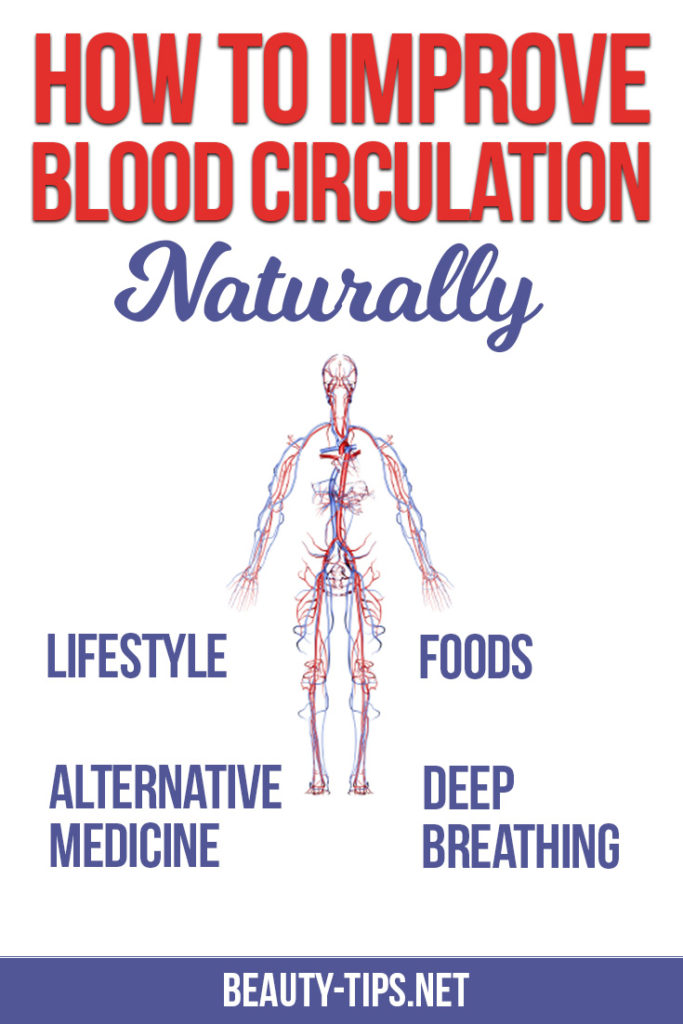
Life, at its most fundamental level, is a story of flow. From the gentle rustle of leaves in the wind to the relentless march of time, everything moves. Yet, within our own bodies, there’s a magnificent, often-overlooked river system – our circulatory system – whose unimpeded flow dictates the very quality and duration of our existence. This intricate network of arteries, veins, and capillaries, powered by the tireless rhythm of our heart, is responsible for delivering life-giving oxygen and nutrients to every cell, while simultaneously whisking away metabolic waste. It’s the highway of health, the silent symphony of survival.
But what happens when this vital flow becomes sluggish, obstructed, or inefficient? The narrative of modern life, unfortunately, often tells a tale of sedentary habits, prolonged sitting, and chronic stress – factors that conspire to impede this critical internal current. We might experience the subtle whispers first: cold hands and feet, persistent fatigue, a mind that feels a little foggier than usual. Over time, these whispers can escalate into shouts: muscle cramps, slow wound healing, erectile dysfunction, and ultimately, a heightened risk of serious cardiovascular diseases like heart attacks and strokes. It’s a silent crisis, unfolding within us, often unnoticed until its consequences become undeniable.
The good news, the empowering turning point in this story, is that we hold a profound, natural remedy within our grasp: daily exercise. It’s not just about building muscle or losing weight; it’s about rekindling the internal flame, revitalizing the circulatory system, and ensuring that the rhythmic pulse of life continues to flow freely and robustly. This article will embark on a journey, exploring the vital importance of blood flow, delving into the fascinating physiological mechanisms through which exercise acts as its most potent natural stimulant, and illustrating how integrating various forms of movement into our daily lives can transform our health from the inside out. We will tell a story of reclaiming control, of understanding our bodies, and of moving towards a life lived with greater vitality and resilience.
The Unsung Hero: Blood Flow and Its Profound Importance
Imagine a bustling metropolis where all roads suddenly become congested. Deliveries halt, waste piles up, and the city grinds to a standstill. This analogy perfectly illustrates the consequences of compromised blood flow within our bodies. Our blood is the ultimate delivery service, carrying oxygen from the lungs, nutrients from the digestive system, and hormones from endocrine glands to every tissue and organ. Simultaneously, it acts as the body’s waste management system, transporting carbon dioxide to the lungs for exhalation and metabolic byproducts to the kidneys and liver for detoxification and excretion. It also serves as a crucial component of our immune system, ferrying white blood cells to sites of infection and inflammation.
This intricate dance occurs at two main levels: macrocirculation, which involves the large arteries and veins responsible for transporting blood to and from major organs, and microcirculation, the delicate network of tiny arterioles, capillaries, and venules that directly interface with individual cells. It is at the capillary level, a network so vast that if stretched end-to-end would span over 60,000 miles, where the actual exchange of gases, nutrients, and waste products takes place.
When blood flow is impaired, the consequences ripple throughout the entire system. Cells become starved of oxygen and nutrients, leading to fatigue and diminished function. Waste products accumulate, creating a toxic environment. The body’s natural healing processes slow down, making us more susceptible to illness and injury.
Consider specific examples:
- Brain: Reduced cerebral blood flow (CBF) can lead to "brain fog," memory issues, difficulty concentrating, and in severe cases, increase the risk of vascular dementia and stroke.
- Muscles: Insufficient blood supply causes muscle fatigue, weakness, pain during activity (claudication), and impaired recovery after exercise.
- Heart: Chronic poor circulation can strain the heart, contributing to high blood pressure, coronary artery disease, and heart failure.
- Extremities: Cold hands and feet, numbness, tingling, and slow wound healing are common signs of poor peripheral circulation.
- Erectile Dysfunction: For men, adequate blood flow is crucial for achieving and maintaining an erection, making ED a significant indicator of underlying vascular health issues.
- Immune System: A sluggish circulatory system means immune cells are less efficient at reaching sites of infection, leaving us more vulnerable.
Central to maintaining healthy blood flow is the endothelium, the thin layer of cells lining the inside of all blood vessels. This seemingly simple layer is a highly active organ, constantly monitoring blood flow and releasing substances that regulate vascular tone. One of its most crucial secretions is nitric oxide (NO), a powerful vasodilator that relaxes the smooth muscle walls of blood vessels, allowing them to widen and blood to flow more freely. A healthy endothelium, producing ample NO, is the cornerstone of optimal circulation.
How Exercise Works Its Magic: The Physiological Mechanisms
The story of exercise and blood flow is not merely about "getting the heart rate up." It’s a complex, multi-faceted narrative of physiological adaptation and profound internal transformation. Daily movement, far from being just a physical act, orchestrates a symphony of beneficial changes within our circulatory system.
1. The Direct Mechanical Pumping Action:
Perhaps the most intuitive way exercise aids blood flow is through its direct mechanical effects.
- Skeletal Muscle Pump: Every time our muscles contract – whether we’re walking, running, or lifting weights – they squeeze the veins within and around them. Veins, unlike arteries, have one-way valves. This "skeletal muscle pump" acts like a series of mini-hearts, pushing deoxygenated blood back towards the heart against gravity. This is particularly crucial for circulation in the legs, where blood can otherwise pool.
- Respiratory Pump: Deep breathing during exercise creates pressure changes in the chest and abdomen. As we inhale, pressure in the chest decreases, helping to draw blood into the heart. As we exhale, abdominal pressure increases, pushing blood from the abdominal veins towards the chest. This "respiratory pump" significantly aids venous return, especially during sustained aerobic activity.
2. Enhancing Endothelial Function and Nitric Oxide Production:
This is where the magic truly unfolds. When we exercise, our heart pumps blood with greater force and velocity. This increased blood flow generates shear stress – a frictional force exerted by the flowing blood against the endothelial cells lining the blood vessels.
- Shear Stress and NO: The endothelial cells are exquisitely sensitive to this shear stress. In response, they release a cascade of beneficial molecules, most notably nitric oxide (NO). NO is a potent vasodilator, meaning it signals the smooth muscle cells in the vessel walls to relax, causing the vessels to widen. This widening reduces resistance, lowers blood pressure, and allows blood to flow more easily and efficiently to all tissues. Regular exercise consistently exposes the endothelium to beneficial shear stress, leading to a sustained increase in NO production and improved vascular elasticity.


Post Comment