Can Exercise Cure Erectile Dysfunction? What the Research Says
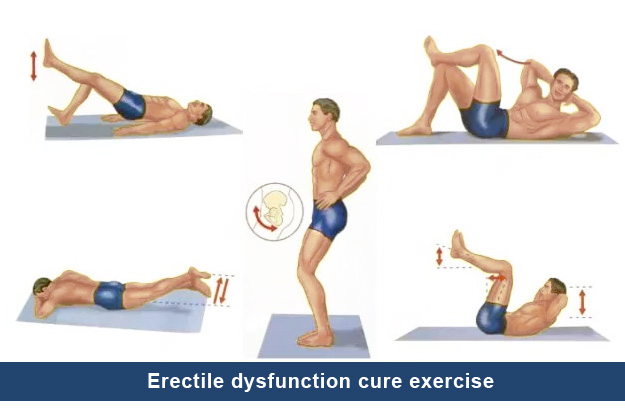
The whispers around men’s health often include a common, yet frequently unspoken, concern: erectile dysfunction (ED). It’s a condition that touches millions globally, affecting not just physical intimacy but also self-esteem, relationships, and overall quality of life. In a world saturated with quick fixes and pharmaceutical solutions, a natural question often arises: Can something as fundamental as exercise offer a cure, or at least a significant pathway to improvement?
For the knowledgeable reader, the answer isn’t a simple yes or no. It’s a nuanced tapestry woven from physiological understanding, robust scientific inquiry, and the intricate interplay of lifestyle factors. This article will delve deep into the research, exploring the mechanisms by which exercise impacts erectile function, dissecting what studies reveal, and ultimately painting a comprehensive picture of its role in managing, improving, and potentially "curing" – in the most holistic sense – erectile dysfunction.
Unraveling the Intricacies of Erectile Dysfunction: More Than Just a Plumbing Problem
Before we can appreciate the potential of exercise, we must first understand the complex nature of ED itself. Erectile dysfunction is defined as the consistent or recurrent inability to attain and/or maintain a penile erection sufficient for sexual performance. Its prevalence increases with age, but it is by no means an exclusive concern of the elderly; younger men are increasingly reporting ED.
The physiology of an erection is a marvel of biological engineering, an orchestra of neurological, vascular, hormonal, and psychological processes working in harmony. It begins with sexual stimulation, which triggers the release of nitric oxide (NO) from nerve endings and endothelial cells in the penis. NO then activates an enzyme called guanylate cyclase, leading to increased levels of cyclic guanosine monophosphate (cGMP). This cGMP causes the smooth muscles in the penile arteries and corpus cavernosum (the sponge-like erectile tissue) to relax, allowing blood to rush into the penis, trapping it there to create rigidity.
Disruptions at any point in this pathway can lead to ED. The causes are typically categorized as:
- Vascular: The most common cause. Conditions like atherosclerosis (hardening of the arteries), hypertension (high blood pressure), and hyperlipidemia (high cholesterol) damage the delicate endothelial cells that line blood vessels, impairing NO production and blood flow. Diabetes is particularly damaging to both macro and microvasculature.
- Neurological: Damage to nerves that transmit signals to the penis, often due to spinal cord injuries, pelvic surgery (e.g., prostatectomy), or neurological diseases (e.g., multiple sclerosis, Parkinson’s disease).
- Hormonal: Imbalances, primarily low testosterone (hypogonadism), which can affect libido and the quality of erections. Thyroid disorders can also play a role.
- Psychological: Stress, anxiety, depression, relationship problems, and performance anxiety can all interfere with the brain’s ability to initiate the erectile cascade.
- Lifestyle: Smoking, excessive alcohol consumption, obesity, and lack of physical activity are significant contributors, often by exacerbating vascular issues.
- Medication-induced: Certain medications, such as some antidepressants, antihypertensives, and antihistamines, can have ED as a side effect.
Understanding this multifactorial etiology is crucial because it immediately suggests that a single intervention, even one as powerful as exercise, might not be a panacea for all forms of ED. However, given that vascular causes underpin a vast majority of cases, and lifestyle factors heavily influence these vascular issues, the potential role of exercise becomes profoundly significant.
The Promise of Movement: How Exercise Intervenes
Exercise, far from being a mere physical activity, is a complex physiological intervention that triggers a cascade of beneficial adaptations throughout the body. When considering its impact on ED, we can trace its effects directly to the underlying causes, particularly the vascular, metabolic, and hormonal components.
1. Enhancing Endothelial Function and Vascular Health
This is arguably the most critical pathway. Regular aerobic exercise directly improves the health and function of the endothelium – the inner lining of blood vessels. A healthy endothelium is vital for producing nitric oxide (NO), the key vasodilator responsible for initiating an erection. Exercise helps by:
- Increasing NO Bioavailability: Physical activity stimulates the enzyme endothelial nitric oxide synthase (eNOS), leading to greater production of NO. It also reduces oxidative stress, which can degrade NO, thereby increasing its bioavailability.
- Improving Blood Flow: Regular cardio strengthens the heart, improves circulation, and can help to clear arterial plaque, ensuring more robust blood flow to all organs, including the penis.
- Lowering Blood Pressure: Hypertension is a major risk factor for ED. Aerobic exercise is a cornerstone of blood pressure management, directly reducing the strain on blood vessels and improving their elasticity.
- Improving Lipid Profile: Exercise helps lower "bad" LDL cholesterol and triglycerides while raising "good" HDL cholesterol, which reduces the risk of atherosclerosis, a primary driver of vascular ED.
2. Metabolic Regulation and Insulin Sensitivity
Metabolic syndrome, characterized by abdominal obesity, high blood pressure, high blood sugar, and abnormal cholesterol levels, is strongly linked to ED. Type 2 diabetes, a major component of metabolic syndrome, is particularly detrimental, as high blood sugar damages blood vessels and nerves. Exercise combats these issues by:
- Improving Insulin Sensitivity: Regular physical activity makes cells more responsive to insulin, helping to regulate blood sugar levels. This reduces the endothelial damage caused by hyperglycemia.


Post Comment