The Unsung Hero: Unlocking Men’s Vitality Through the Power of the Pelvic Floor
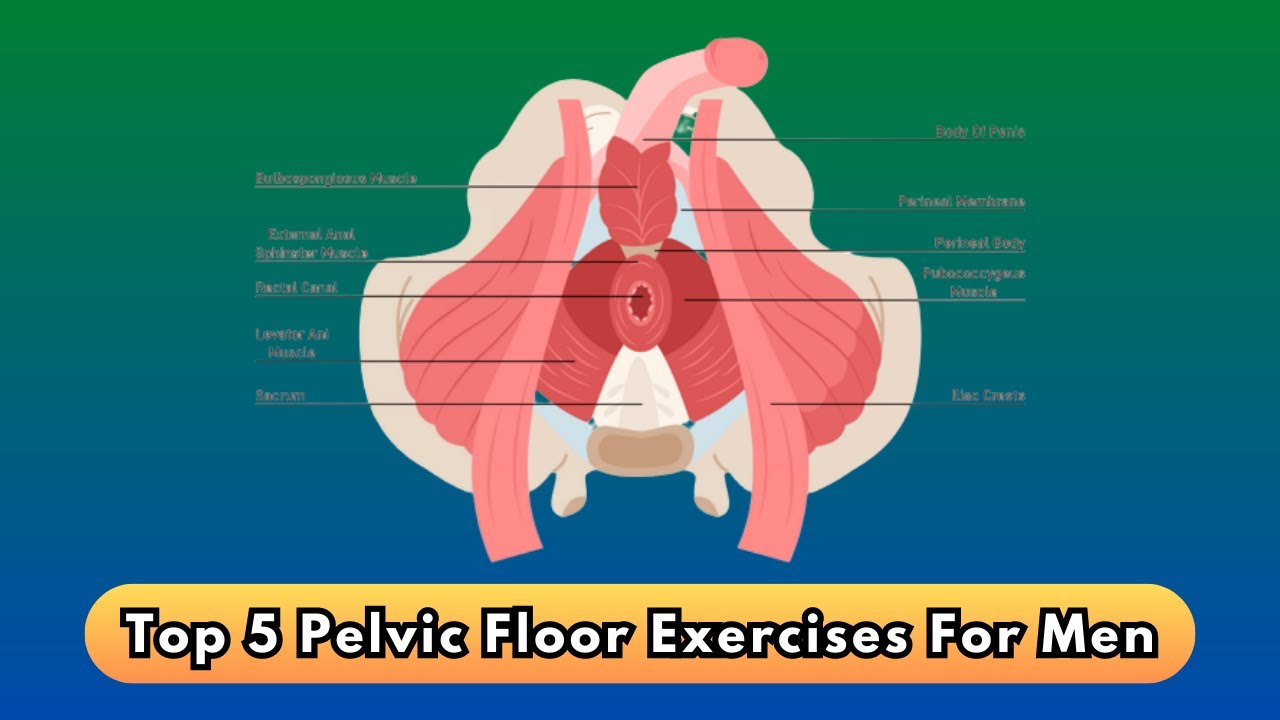
In the vast landscape of men’s health, certain areas receive widespread attention: cardiovascular fitness, prostate screenings, mental health awareness, and the pursuit of peak physical performance. Yet, lurking beneath the surface, performing a silent symphony of support and function, is a muscular group often overlooked, misunderstood, and rarely discussed in polite company: the male pelvic floor.
To the uninitiated, the term "pelvic floor" might conjure images of women’s health clinics or post-childbirth recovery. For men, it’s a concept frequently shrouded in ambiguity, sometimes even a degree of discomfort. This oversight is a profound disservice, for the male pelvic floor is not merely a structural component; it is a dynamic, vital hub of strength, control, and sensation, intricately woven into the fabric of a man’s overall well-being. It is the unsung hero, the quiet guardian of continence, the hidden engine of sexual vitality, and a foundational pillar of core stability.
This isn’t merely an anatomical treatise; this is a story. It’s the story of countless men who, often unknowingly, navigate life with a weakened or dysfunctional pelvic floor, experiencing issues ranging from embarrassing leaks to diminished sexual confidence. It’s also the story of discovery, of empowerment, and of the profound transformation that occurs when a man reclaims command of this crucial region. For the knowledgeable audience, we aim not just to list benefits, but to delve into the "why" and "how," to explore the physiological mechanisms, and to paint a vivid picture of the journey towards greater health and confidence.
We embark on a journey to unveil the top five health benefits of pelvic floor exercises for men, not as a checklist, but as chapters in a narrative of self-discovery and holistic well-being.
Chapter 1: The Master of the Floodgates – Unparalleled Continence and Bladder Control
Imagine a life free from the nagging worry of urinary leakage, the need to map out every bathroom along a travel route, or the sudden, urgent panic of an overactive bladder. For many men, this isn’t a given; it’s a dream. Urinary incontinence (UI) is far more prevalent in men than commonly acknowledged, affecting millions, particularly as they age or after specific medical interventions. This is where the pelvic floor muscles (PFMs) step forward as the ultimate gatekeepers, the undisputed masters of bladder control.
The Physiological Narrative:
At the heart of continence lies a sophisticated interplay between the bladder, the urethra, and the surrounding musculature. The pelvic floor, specifically the levator ani and coccygeus muscles, forms a sling-like hammock supporting the bladder and rectum. Crucially, the external urethral sphincter, a component of the pelvic floor, wraps around the urethra, acting like a voluntary clamp. When these muscles are strong and responsive, they can effectively compress the urethra, preventing involuntary urine flow.
Think of the bladder as a balloon and the urethra as its nozzle. The pelvic floor muscles are the hand that pinches that nozzle shut. A weak hand leads to drips, dribbles, and sudden gushes. A strong, well-coordinated hand maintains firm control.
The Story of the Man Reclaiming Freedom:
Consider John, a man in his late 50s who, after a prostatectomy, found himself constantly concerned about leakage. A cough, a sneeze, even a hearty laugh could trigger an embarrassing dribble. His social life dwindled, his confidence eroded, and he found himself planning his day around bathroom access. This wasn’t just a physical inconvenience; it was a profound psychological burden.
Through dedicated pelvic floor exercises, John began to rebuild the strength and endurance of his external urethral sphincter and the surrounding levator ani muscles. He learned to identify the correct muscles – a crucial first step often missed – and to perform controlled contractions. Initially, the improvements were subtle, a slight reduction in leakage. But with persistence, his control steadily improved. The constant fear began to recede. He could go for longer walks, attend social gatherings without anxiety, and even play golf again without a discreet pad. His story isn’t just about dry underwear; it’s about regaining dignity, freedom, and the ability to live life on his own terms.
Beyond post-surgical incontinence, PFMs are vital for managing stress urinary incontinence (SUI), where leakage occurs due to physical exertion (coughing, lifting), and even overactive bladder (OAB) symptoms, where strong, sudden urges to urinate are common. By strengthening these muscles, men can improve their ability to "hold on" and suppress urges, granting them greater command over their bladder and, by extension, their daily lives. It’s a fundamental benefit that underpins much of what it means to feel secure and independent in one’s own body.
Chapter 2: The Architect of Intimacy – Enhanced Sexual Health and Performance
For many men, the quest for a fulfilling sexual life is a deeply personal and often unspoken journey. Pelvic floor exercises offer a powerful, non-invasive pathway to not just maintaining, but significantly enhancing sexual health and performance. This benefit extends beyond simple mechanics, touching upon confidence, intimacy, and the profound connection between mind and body.
The Physiological Narrative:
The male pelvic floor plays several critical roles in sexual function, making it an indispensable component of arousal, erection, ejaculation, and orgasm.
-
Erectile Function: The ischiocavernosus and bulbospongiosus muscles, key components of the pelvic floor, are vital for achieving and maintaining erections. The ischiocavernosus helps to compress the veins that drain blood from the penis, trapping blood within the corpora cavernosa and thus maintaining rigidity. The bulbospongiosus helps to push blood into the penis during erection and contributes to the rhythmic contractions during ejaculation. Stronger, more responsive PFMs can improve blood flow regulation, leading to firmer erections and greater erectile sustainability.
-
Ejaculatory Control and Premature Ejaculation (PE): One of the most impactful benefits of PFM training for men is its role in ejaculatory control. The pelvic floor muscles are directly involved in the ejaculatory reflex. By strengthening these muscles, men can gain greater conscious control over the timing of ejaculation. The "squeeze" technique, often taught in sex therapy for PE, is essentially a targeted pelvic floor exercise designed to delay ejaculation. A well-toned pelvic floor can provide the ability to pause and prolong sexual activity, enhancing satisfaction for both partners.
-
Orgasm Intensity: The rhythmic contractions of the pelvic floor muscles during orgasm contribute significantly to its intensity and pleasure. Stronger, more coordinated contractions can lead to more potent and satisfying orgasms, transforming a fleeting sensation into a deeply resonant experience.
The Story of Rediscovered Passion:




Post Comment