Active Body, Active Life: The Role of Cardiovascular Fitness in Sexual Longevity
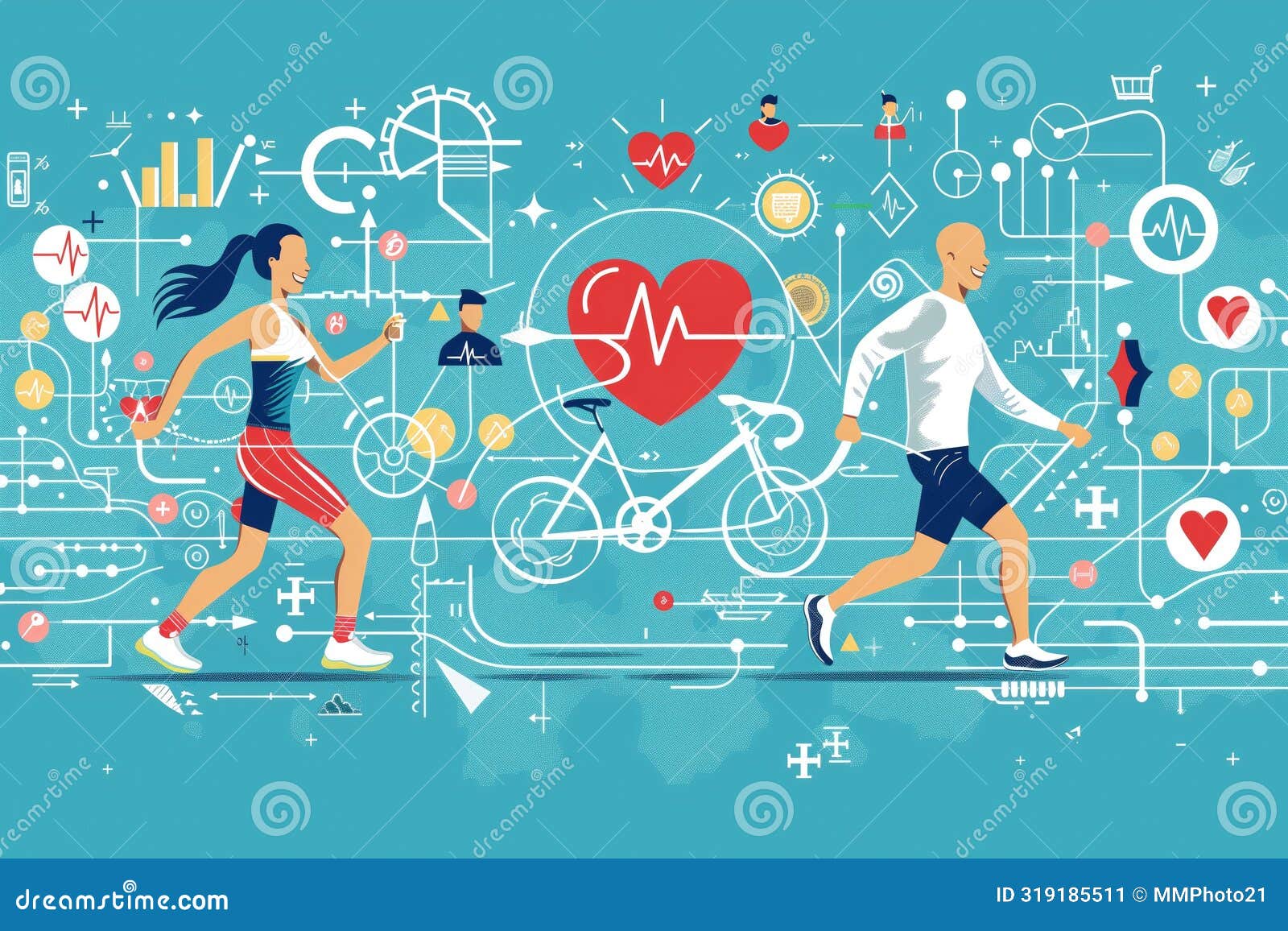
The scent of honeysuckle still clung to the evening air, a fragrance that had, for decades, been the quiet backdrop to Robert and Clara’s life. They sat on their porch swing, the rhythmic creak a comforting counterpoint to the chirping crickets. Robert, now in his late seventies, reached for Clara’s hand, his fingers intertwining with hers, a gesture worn smooth by time and affection. Their gaze drifted to the younger couple next door, laughing as they wrestled good-naturedly on their lawn. A flicker of something – nostalgia, perhaps, or a quiet contentment – passed between them.
“Remember those days?” Clara murmured, a smile playing on her lips.
Robert chuckled, a low rumble from his chest. “Oh, we had our share of wrestling, didn’t we? And then some.” He squeezed her hand. “But you know, my dear, I often think we’ve still got a good many ‘then somes’ left in us yet.”
It wasn’t just a sentimental old man’s fancy. Robert and Clara, while acknowledging the natural ebb and flow of life, had cultivated a relationship that defied the usual narratives of declining intimacy in later years. Their secret, if it could be called that, wasn’t some esoteric potion or relationship guru’s advice. It was far more fundamental, etched into the very rhythm of their heartbeats: a lifelong commitment to cardiovascular fitness.
This is a story many are beginning to tell, or rather, re-discover. In an age obsessed with anti-aging creams and quick-fix supplements, the profound, enduring connection between an active body and a vibrant, long-lasting sexual life often gets lost amidst the noise. For the knowledgeable individual, however, the science is increasingly clear, weaving a compelling narrative that champions the heart not just as the seat of emotion, but as the engine of enduring passion.
The Unseen Architecture of Desire: How the Heart Governs Intimacy
To understand the role of cardiovascular fitness in sexual longevity, we must first appreciate the intricate biological dance that underpins desire, arousal, and satisfaction. It’s a dance choreographed by hormones, neurotransmitters, and, most crucially, the magnificent flow of blood. And at the heart of that flow, quite literally, is our cardiovascular system.
Cardiovascular fitness is more than just being able to run a marathon or climb a flight of stairs without gasping. It’s a state where your heart, lungs, and blood vessels efficiently deliver oxygen and nutrients to every cell in your body, and effectively remove waste products. When this system operates optimally, it’s a symphony of health; when it falters, the first notes of discord often manifest in areas that might seem unrelated, including sexual function.
Consider the mechanics of sexual arousal. For men, an erection is fundamentally a vascular event. It requires healthy arteries to dilate and rapidly fill the spongy tissues of the penis with blood, while veins constrict to trap that blood, maintaining rigidity. This process is exquisitely dependent on endothelial function – the health of the inner lining of blood vessels – and the availability of nitric oxide (NO), a potent vasodilator. Nitric oxide production is stimulated by shear stress on the vessel walls, a direct consequence of robust blood flow, which in turn is enhanced by regular cardiovascular exercise.
When cardiovascular health declines, often due to atherosclerosis (hardening of the arteries), hypertension (high blood pressure), or diabetes, the delicate endothelial lining becomes compromised. Less nitric oxide is produced, blood vessels lose their elasticity, and the ability to achieve and maintain an erection diminishes. Erectile dysfunction (ED) is often an early warning sign of underlying cardiovascular disease, a canary in the coal mine signaling broader vascular issues. It’s not merely a local plumbing problem; it’s a systemic issue with profound implications for heart health.
For women, while the mechanics are less visibly dramatic, the vascular component is equally critical. Arousal involves increased blood flow to the clitoris, labia, and vaginal walls, leading to engorgement, lubrication, and heightened sensitivity. Healthy blood vessels ensure this crucial vasocongestion. Poor cardiovascular health can manifest as reduced clitoral sensitivity, decreased natural lubrication, and difficulty achieving orgasm. Furthermore, robust blood flow is essential for overall pelvic floor health and nerve sensitivity, both vital for female sexual pleasure.
Beyond direct blood flow, cardiovascular fitness profoundly impacts the hormonal landscape. Regular exercise helps regulate hormones such as testosterone, estrogen, and cortisol. Testosterone, often associated primarily with male libido, plays a significant role in female desire as well. Chronic stress, often exacerbated by a sedentary lifestyle, elevates cortisol levels, which can suppress testosterone production in both sexes, thereby dampening libido. Conversely, moderate to vigorous exercise helps manage stress, lowers cortisol, and supports healthy testosterone levels, acting as a natural aphrodisiac for the body’s endocrine system.
The Lifeline of Longevity: Sustaining the Spark Over Decades
The real magic of cardiovascular fitness, however, lies not just in its immediate impact, but in its profound contribution to sexual longevity. It’s about building a robust physiological foundation that can withstand the tests of time, preserving the capacity for intimacy well into the golden years.
Think of it as an investment. Every brisk walk, every swim, every vigorous dance session deposits dividends into your vascular bank account. These deposits help maintain the elasticity of your arteries, keep your blood pressure in check, improve cholesterol profiles, and enhance insulin sensitivity. All of these factors are directly correlated with the long-term health of your sexual organs.
Consider the journey of Robert and Clara. Their story wasn’t one of a sudden awakening, but a gradual, consistent commitment. In their thirties, they started jogging together in the mornings, not for any grand sexual purpose, but simply to stay healthy and manage the stresses of young careers and raising a family. As they entered their fifties, when many of their peers began experiencing the first whispers of sexual decline – Robert with occasional ED, Clara with a waning desire – their consistent routine became their bulwark.
Their morning runs evolved into long, vigorous walks and cycling trips. The physical activity kept their vascular systems primed. Robert found his erections remained reliably firm, a testament to healthy endothelial function and robust blood flow. Clara noticed her energy levels remained high, her mood buoyant, and her libido, though perhaps less feverish than in her twenties, was consistent and responsive. They learned that the joy of movement translated directly into the joy of connection.
This longevity effect is rooted in prevention. Cardiovascular fitness acts as a powerful shield against the very conditions that erode sexual health with age. It helps ward off:
- Atherosclerosis: By keeping arteries clear and flexible, it prevents the plaque buildup that chokes off blood supply to sexual organs.
- Hypertension: By maintaining healthy blood pressure, it protects the delicate lining of blood vessels from damage.
- Diabetes: By improving insulin sensitivity and glucose metabolism, it mitigates the nerve and vascular damage that diabetes often inflicts, which are major contributors to sexual dysfunction in both men and women.
- Obesity: By promoting a healthy weight, it reduces systemic inflammation and improves hormonal balance, both crucial for sexual vitality.
In essence, a heart that is well-exercised is a heart that continues to nourish and support all systems, including those responsible for sexual function, for far longer. It delays the onset of age-related decline, allowing for a richer, more prolonged period of sexual activity and intimacy.
Beyond the Plumbing: The Psychological and Emotional Echoes
While the physiological benefits are profound, the story of cardiovascular fitness and sexual longevity is incomplete without acknowledging its powerful psychological and emotional dimensions. Sex is not merely a physical act; it is a complex interplay of mind, body, and emotion.
When Robert and Clara took their morning walks, it wasn’t just their hearts getting stronger. They were also building something less tangible but equally vital: shared experience, mutual encouragement, and a powerful sense of self-efficacy.
Self-Esteem and Body Image: Regular exercise sculpts the body, not necessarily into an idealized magazine cover, but into a more functional, energetic, and often more aesthetically pleasing form. This improved body image translates directly into increased self-confidence, both in and out of the bedroom. Feeling good about your body, feeling strong and capable, makes you more likely to initiate intimacy, to feel comfortable being seen and touched, and to fully immerse yourself in the experience. Clara, even in her later years, felt a quiet pride in her strong legs and enduring stamina, a confidence that radiated outwards.

Post Comment